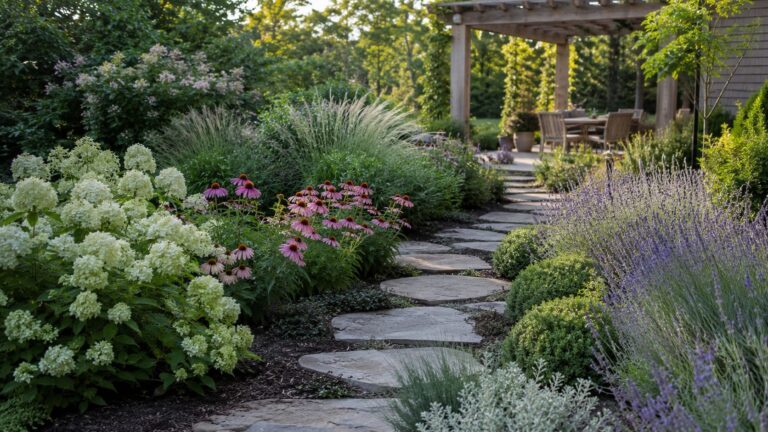
A front yard can make a home feel welcoming before anyone reaches the door. A backyard can either sit there unused… or become the place where dinner, play, quiet coffee, and weekend projects actually happen. The tricky part? Many homeowners jump straight to buying plants, pavers, mulch, or patio furniture before they have a real plan.
That is how yards become a mix of good intentions: a few shrubs here, a narrow walkway there, a patio that gets too much afternoon sun, and a backyard corner nobody knows what to do with.
The good news is that better landscaping does not always mean a full redesign or a huge budget. In many cases, it starts with smarter zones, stronger edges, practical plant choices, and a layout that matches how you really live outside. 🌿
Quick Summary
Better front yard and backyard landscaping starts with a clear plan: improve curb appeal, create useful outdoor zones, choose the right plants, and make maintenance realistic for your schedule.
- Point one: Start with function before buying plants, stone, mulch, or furniture.
- Point two: Use pathways, borders, lighting, and layered planting to make the yard feel organized.
- Point three: Choose landscaping ideas that fit your climate, soil, budget, and maintenance habits.
🌱 Start With the Big Picture, Not the Plant Cart
It is easy to fall in love with plants at the garden center. The colors look great, everything is watered, and the tags promise beauty. But your yard has its own rules: sun exposure, drainage, soil quality, slope, traffic patterns, pets, kids, neighbors, and local weather.
Before you buy anything, walk around your property and ask a few simple questions:
- Where do people naturally walk?
- Which areas look bare, messy, or unfinished?
- Where does water collect after rain?
- Which spots get full sun, shade, or harsh afternoon heat?
- What do you want to see from inside the house?
This step matters because great landscaping is not just decoration. It is organization. A good design guides movement, frames views, softens hard surfaces, improves privacy, and makes outdoor spaces easier to use.
🏡 Front Yard Landscaping Ideas That Improve Curb Appeal
Your front yard has a different job than your backyard. It needs to feel attractive, clear, and easy to navigate. For most homes, the best front yard landscaping ideas are not overly complicated. They simply make the entrance feel intentional.
Create a Clear Path to the Front Door
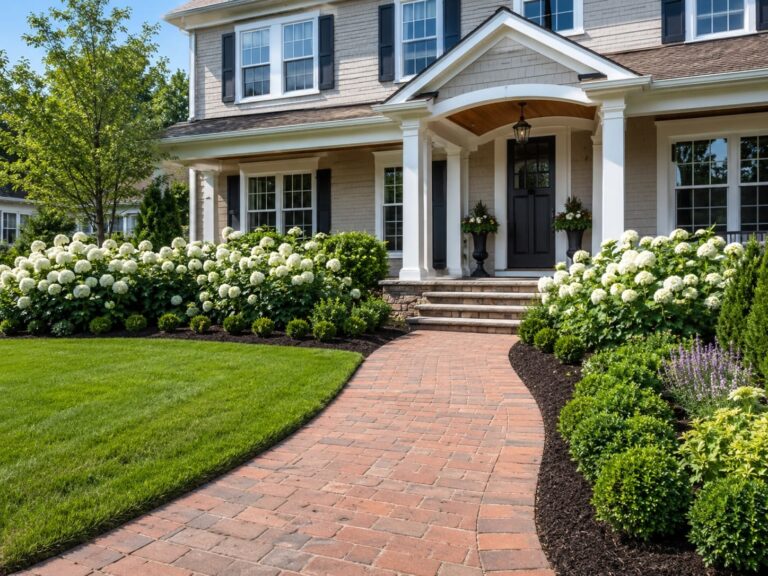
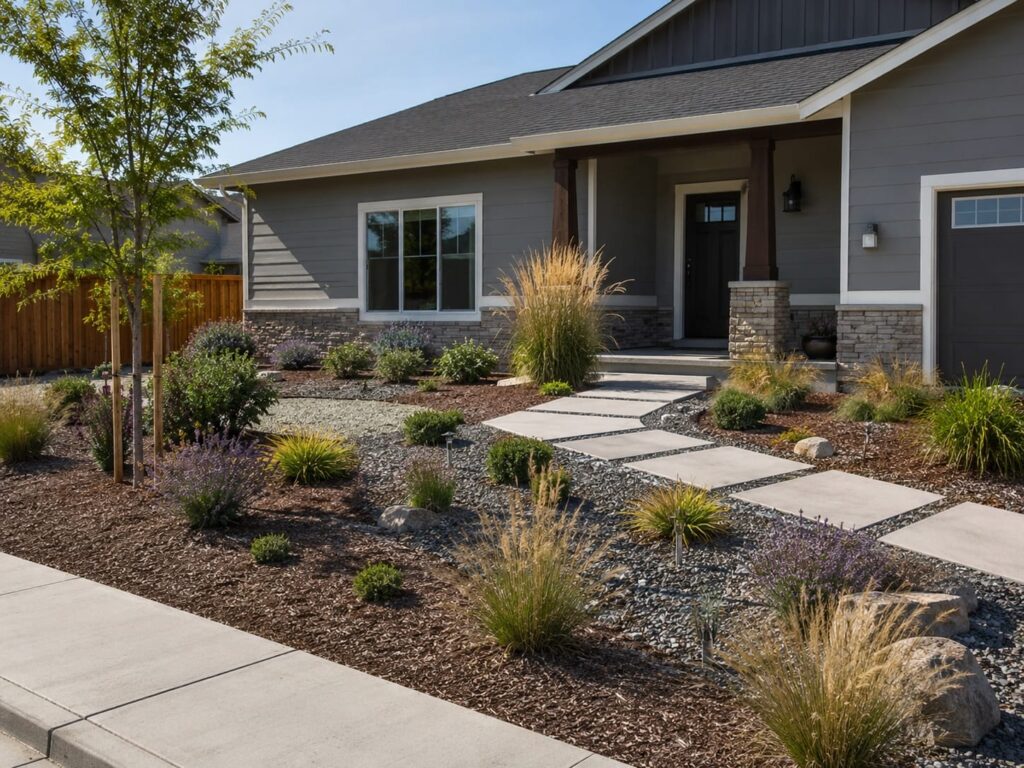
A front walkway should feel obvious. If guests have to guess where to step, the yard may feel unfinished. A straight walkway can look formal and clean, while a curved path can feel softer and more garden-like.
Materials such as concrete pavers, natural stone, brick, gravel, or poured concrete can all work. The right choice depends on your home style, budget, drainage needs, and local freeze-thaw conditions. In colder climates, proper base preparation is especially important so the path does not shift or crack too quickly.
Use Layered Planting Around the Foundation
Foundation planting is one of the easiest ways to make a front yard feel polished. Instead of planting one row of identical shrubs, think in layers.
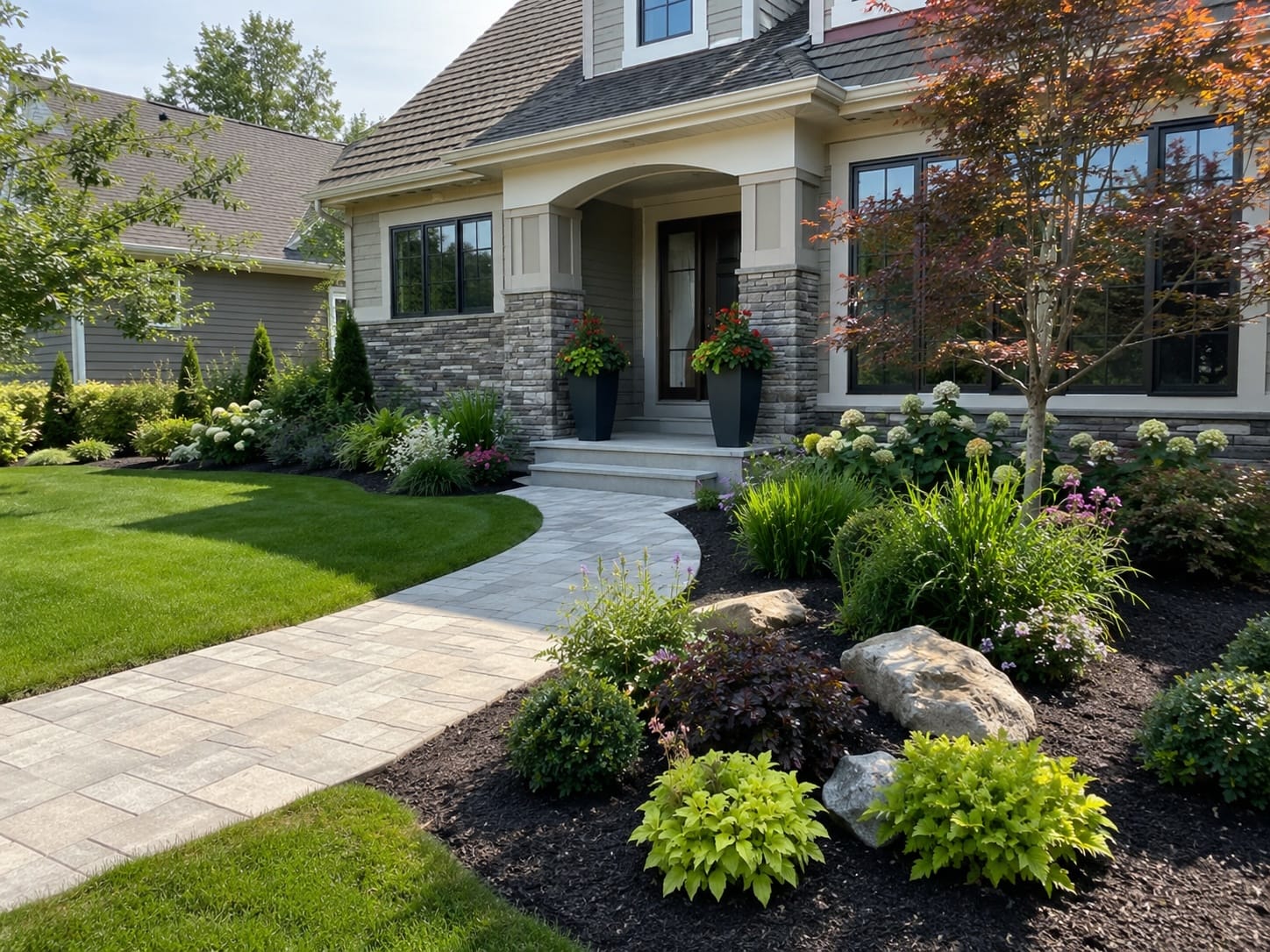
Use taller evergreen shrubs near blank walls or corners, medium plants in front of them, and lower perennials or groundcovers near the edge. This creates depth and helps avoid the “flat green line” look that many older landscapes have.
Add a Focal Point Near the Entry
A focal point gives the eye somewhere to land. It might be a small ornamental tree, a large planter, a pair of matching pots, a bench, a boulder, or a garden bed near the porch.
Keep it simple. One strong focal point often looks better than five competing features.
🌳 Backyard Landscaping Ideas for Real Outdoor Living
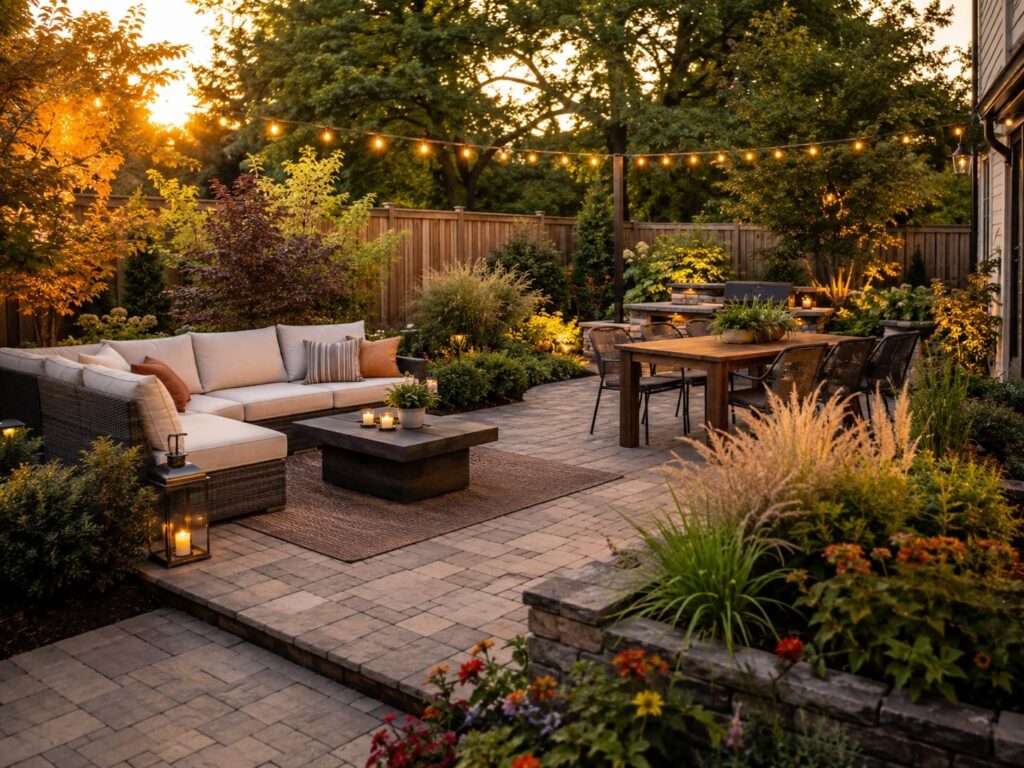
The backyard is usually more personal. It can be peaceful, social, playful, productive, or all of the above. The key is to divide the space into zones instead of treating the whole yard as one big leftover area.
Create Outdoor Rooms
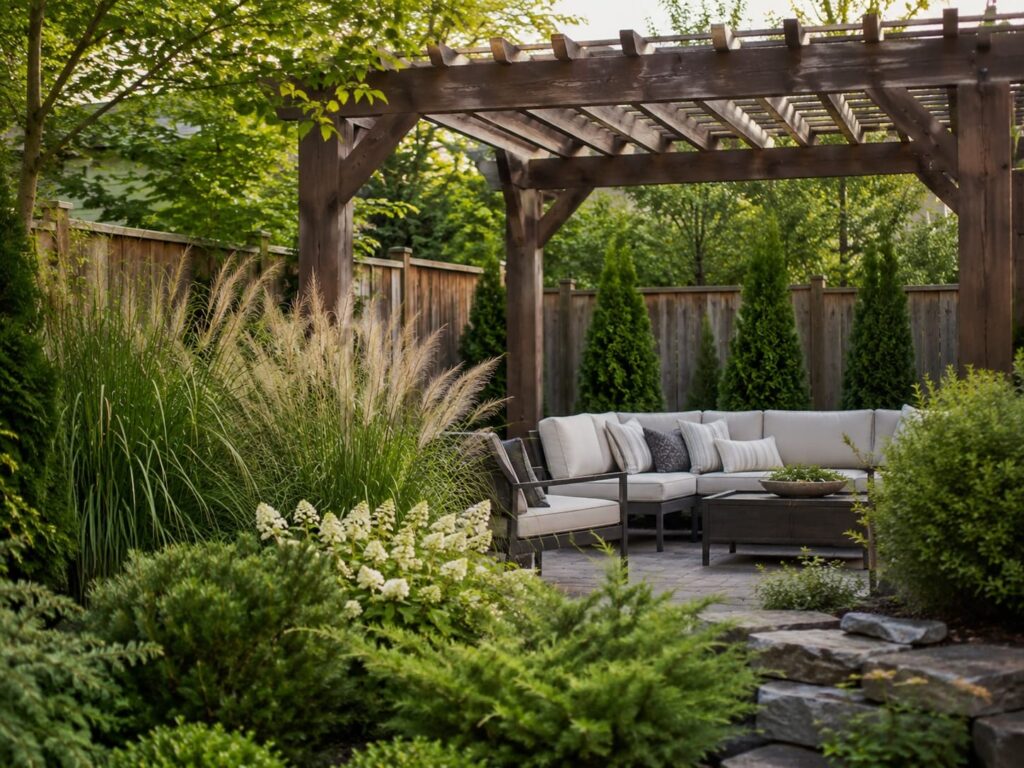
Think of your backyard like a house without walls. You might have a dining area, a lounge area, a fire pit zone, a garden corner, a play space, or a quiet reading spot.
You do not need actual walls to define these spaces. A patio, outdoor rug, pergola, hedge, gravel area, raised bed, or change in paving material can create the feeling of a separate room.
Plan for Shade Before You Buy Furniture
One common backyard mistake is creating a seating area in the hottest part of the yard. It may look nice in spring, then become unusable in July.
Shade can come from trees, pergolas, umbrellas, shade sails, covered patios, or tall plantings. If you are planting trees for long-term shade, consider mature size, root behavior, leaf drop, and distance from the house. For structures, check local rules and setback requirements before building.
Use Privacy Landscaping Strategically
Privacy does not always require a tall fence around the whole yard. Sometimes you only need to block one specific view: a neighbor’s window, a busy sidewalk, or the side of a garage.
Evergreen shrubs, ornamental grasses, trellises, small trees, lattice panels, and mixed hedges can all help. A layered privacy screen often looks more natural than a single row of one plant.
🪴 Choosing the Right Landscaping Features
Every yard has a different personality. Some need better structure. Some need more softness. Others need less lawn and more usable hardscape. Here is a practical comparison to help you match common landscaping features with real homeowner goals.
| Landscaping Feature | Best For | Maintenance Level | Helpful Tip |
|---|---|---|---|
| Layered garden beds | Adding depth, color, and curb appeal | Medium | Mix evergreens, perennials, and seasonal color for year-round interest. |
| Walkways | Improving flow and guiding visitors | Low to medium | Make paths wide enough for comfortable walking, especially near entries. |
| Patio or seating area | Outdoor dining, lounging, and entertaining | Low | Place it where shade, access, and views make sense. |
| Privacy screen | Blocking views and creating comfort | Medium | Use mixed planting for a softer, more natural look. |
| Mulched beds | Reducing weeds and giving beds a finished look | Low to medium | Avoid piling mulch against tree trunks or siding. |
| Outdoor lighting | Safety, mood, and evening curb appeal | Low | Use warm, subtle lighting instead of overly bright fixtures. |
🌼 Low-Maintenance Landscaping That Still Looks Good
Low-maintenance does not mean no maintenance. It means choosing a design that does not fight your lifestyle. If you hate trimming hedges, do not install a hedge that needs constant shaping. If you travel often, avoid thirsty annual beds that need daily attention in hot weather.
For most homeowners, the easiest yards include fewer fussy plants, more defined beds, smart irrigation, healthy soil, and plant choices suited to the region.
Use More Perennials and Fewer Seasonal Annuals
Annual flowers can be beautiful, but they usually need replacing every season. Perennials return year after year, though they may still need dividing, pruning, or cleanup. A balanced mix gives you color without making the yard feel like a constant shopping trip.
Choose Native or Climate-Adapted Plants
Native plants and well-adapted regional plants often handle local conditions better than high-maintenance ornamentals. They may also support pollinators, birds, and beneficial insects. 🐝
That said, “native” does not automatically mean perfect for every spot. Match the plant to the exact conditions: sun, shade, soil moisture, mature size, and drainage.
Reduce Awkward Lawn Areas
Lawn is useful when it has a purpose: play, pets, open space, or visual calm. But narrow strips, steep slopes, and shady patches can be difficult to mow and keep healthy.
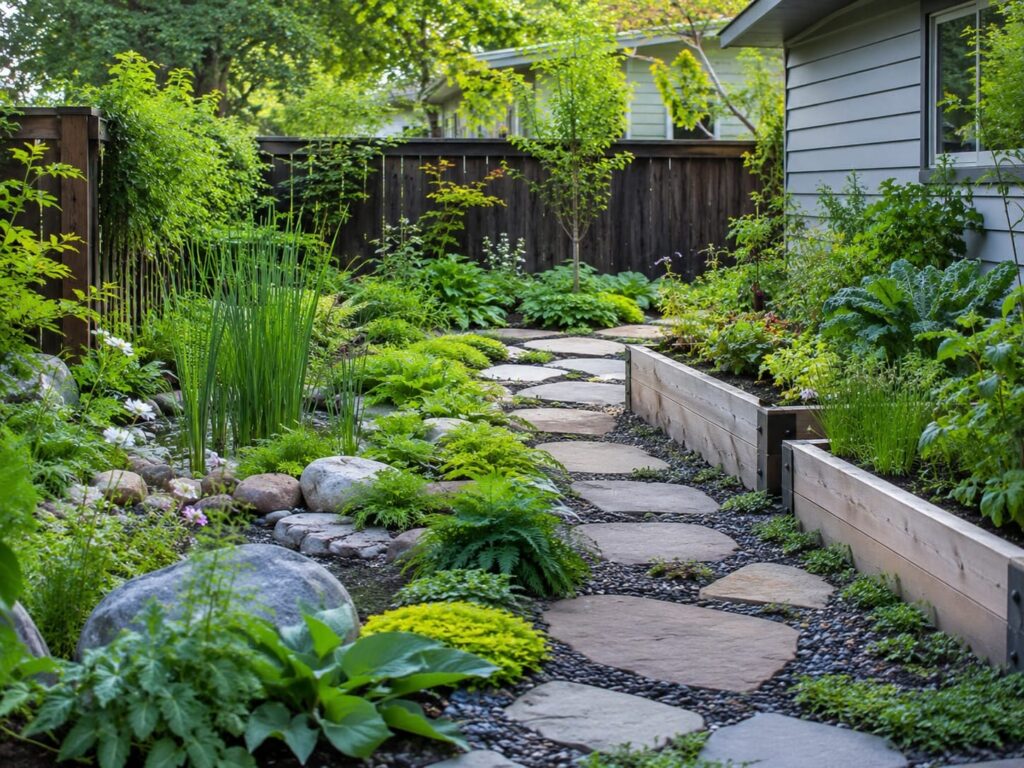
Consider replacing problem lawn areas with groundcovers, mulch beds, stepping stones, ornamental grasses, rain gardens, or low-growing shrubs. This can make maintenance easier while improving the design.
🧱 Hardscaping Ideas That Give the Yard Structure
Plants bring life to a landscape, but hardscaping gives it shape. Patios, walkways, edging, retaining walls, steps, gravel areas, and raised beds help organize outdoor space.
A yard with only plants can feel loose. A yard with only hardscape can feel harsh. The best landscapes usually balance both.
Add Edging for a Cleaner Look
Clean edges make a big difference. Metal edging, stone borders, brick, concrete curbing, or spade-cut bed lines can separate lawn from planting beds and make the yard look more maintained.
Use Gravel in the Right Places
Gravel works well for side yards, informal seating areas, garden paths, and drainage-friendly zones. It is usually more affordable than pavers, though it may need occasional raking and weed control.
Use landscape fabric carefully. It can help under some gravel installations, but in planting beds it may complicate soil health and future planting. A professional landscaper can help determine what makes sense for your project.
Build Raised Beds for Beauty and Function
Raised beds are not only for vegetables. They can frame patios, define outdoor rooms, improve drainage, and bring planting up to a more visible height. Wood, stone, metal, and masonry can all work depending on the style of your home.
💧 Think About Drainage Before Making Big Changes
Drainage is not the glamorous part of landscaping, but it can make or break the whole project. If water flows toward the foundation, collects on the patio, or washes mulch into the driveway, the design needs adjustment.
Common drainage-friendly landscaping ideas include rain gardens, dry creek beds, properly graded soil, French drains, permeable pavers, and downspout extensions. The right solution depends on your slope, soil type, rainfall patterns, and local rules.
If you see standing water near your foundation, repeated erosion, or soggy lawn areas that never dry out, it is smart to consult a qualified landscaper, drainage contractor, or local professional before investing in cosmetic upgrades.
✨ Outdoor Lighting for Front and Backyard Impact
Lighting can completely change how a yard feels after sunset. It also improves safety around steps, paths, driveways, and entries.
For the front yard, path lights, porch lighting, and soft uplighting on trees can boost curb appeal. In the backyard, string lights, step lights, low-voltage landscape lighting, and wall-mounted fixtures can make outdoor rooms feel cozy.
The goal is not to flood the yard with brightness. Subtle lighting usually looks better and feels more relaxing. Warm white light is often more flattering than cool, harsh light.
🛠️ Budget-Friendly Landscaping Improvements
You do not need to redo the whole yard at once. In fact, phasing the project can lead to better decisions. Start with the improvements that create the most visible or practical impact.
- Refresh mulch: It instantly makes beds look cleaner and helps reduce weeds.
- Prune overgrown shrubs: This can make a home look brighter and better cared for.
- Add a defined border: Edging gives beds a finished shape.
- Upgrade containers: Large planters near the entry add color without major construction.
- Install path lighting: A small lighting upgrade can improve both safety and atmosphere.
For larger projects, prioritize in this order: drainage and grading first, then hardscaping, then planting, then decorative details. It is usually cheaper to get the structure right before adding finishing touches.
🌿 Bringing the Front Yard and Backyard Together
Your front yard and backyard do not need to match exactly, but they should feel related. Repeating a few materials or plants can make the whole property feel more cohesive.
For example, if your front walkway uses natural stone, you might use the same stone around a backyard fire pit. If your front beds include ornamental grasses, repeat a similar grass near the patio. These little connections help the landscape feel designed instead of pieced together.
Also think about the views from inside. A beautiful tree outside the kitchen window, a flowering shrub visible from the living room, or a tidy patio seen from the back door can make the yard feel more valuable every day — not just when you are outside.
🌞 A Better Yard Starts With Better Choices
Landscaping is not about filling every empty space. It is about making the property more useful, attractive, comfortable, and manageable.
For the front yard, focus on curb appeal, clear access, layered planting, and a welcoming entrance. For the backyard, think about how you want to live outside: eating, relaxing, gardening, entertaining, playing, or simply enjoying a quiet spot at the end of the day.
Start with a plan, respect your site conditions, and choose materials and plants you can realistically maintain. A better yard does not have to be perfect. It just needs to work beautifully for the way you live. 🌻
❓ FAQ: Landscaping Ideas for Front Yards and Backyards
What is the best way to start landscaping a yard?
Start by studying how the yard is used. Look at sun exposure, drainage, walking paths, views, privacy needs, and maintenance limits. Then plan the main zones before buying plants or materials.
How can I improve my front yard curb appeal on a budget?
Refresh mulch, clean up bed edges, prune overgrown shrubs, add large planters near the entry, repair the walkway, and improve lighting. These simple updates can make a front yard look much more polished.
What are good low-maintenance landscaping ideas?
Use climate-adapted plants, reduce awkward lawn areas, install defined borders, mulch planting beds, choose perennials over seasonal annuals, and group plants with similar watering needs.
How do I make my backyard feel more private?
Use layered planting, evergreen shrubs, ornamental grasses, trellises, pergolas, lattice panels, or small trees. You may only need to screen one or two key views rather than enclosing the entire yard.
Should I landscape the front yard or backyard first?
It depends on your goals. If curb appeal and home value are priorities, start with the front yard. If daily outdoor living matters more, begin with the backyard. Drainage issues should usually be handled before cosmetic work in either area.