
Patio Ideas for More Outdoor Living Space
Compare patio ideas by size, layout, and climate to choose an outdoor structure that fits your home, budget, and daily routine.

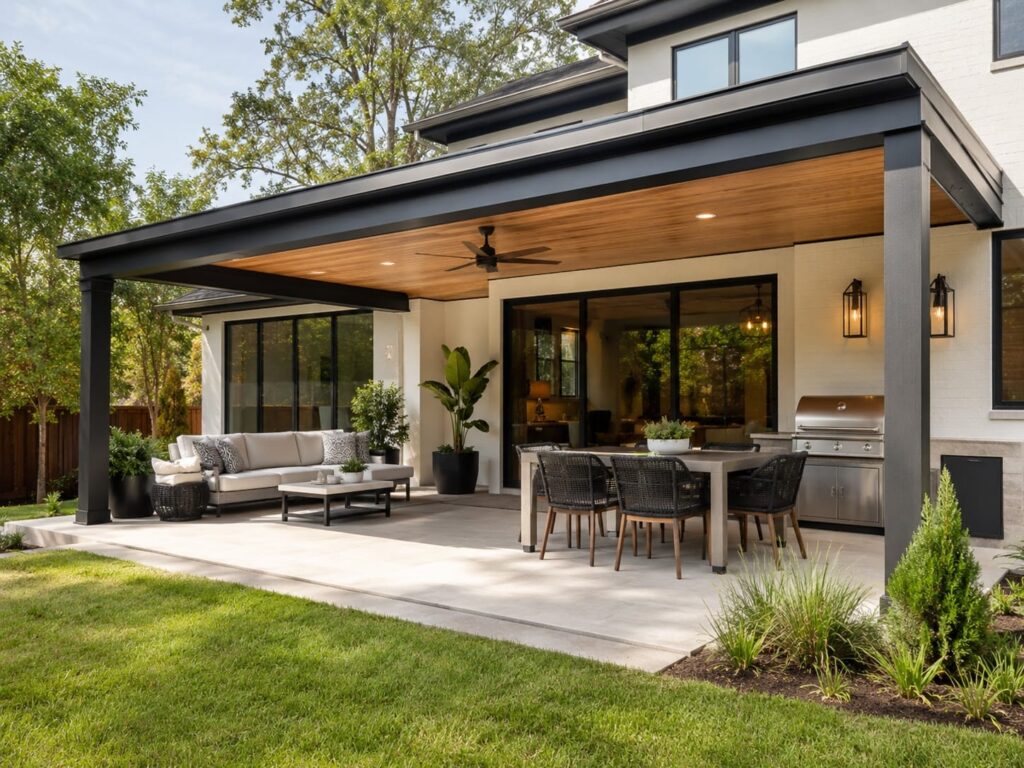
A good outdoor structure can completely change the way a backyard is used. A deck can create a comfortable transition between the house and the garden. A patio can become the main place to eat, relax or welcome friends. A pergola, fence, shed or garden room can add shade, privacy, storage or even a new functional space outside.
Decks, patios and outdoor structures are not just decorative additions. They shape how people move, sit, gather and enjoy the exterior of a home. Done well, they can make a property feel more comfortable, more organized and more valuable.
On Sulabri, this category brings together practical guides about decks, patios, pergolas, gazebos, garden rooms, sheds, fences, privacy screens and other outdoor structures. The goal is simple: help homeowners, contractors and outdoor professionals understand what to consider before planning, building or improving an exterior space.
This section is dedicated to decks, patios and outdoor structures that make exterior spaces more useful, comfortable and easier to enjoy.
It is easy to fall in love with an idea before checking whether it really fits the property. A large deck may look great in photos, but it might overwhelm a small backyard. A pergola can add charm and shade, but it needs to be placed where people will actually use it. A shed can be practical, but if it is poorly located, it may make the garden feel smaller or less organized.
Good outdoor structures start with purpose. What should the space do? Create a dining area? Add shade? Improve privacy? Store tools? Connect the house to the yard? Make room for a backyard office?
Once the purpose is clear, the choice becomes easier. A patio may be better for a ground-level seating area. A deck may work well when the house sits higher than the yard. A pergola may improve comfort over an existing patio. A fence or screen may solve privacy without changing the whole layout.
This category explores the most common outdoor structures homeowners consider when improving a backyard, garden or exterior living area.
Decks and patios are often mentioned together, but they are not exactly the same thing. Both can create outdoor living space, but they work differently.
A deck is usually raised and often attached to the house. It can be a good solution when the home sits above the yard, when the ground is uneven, or when the goal is to create a smooth transition from an interior room to an outdoor area.
A patio is usually built directly on the ground using materials such as concrete, pavers, stone, brick or gravel. It often feels more connected to the garden and can work especially well for dining areas, fire pits, seating zones and outdoor kitchens.
Neither option is automatically better. The right choice depends on the property, the budget, the climate, the style of the home and how the space will be used.
| Outdoor Structure | Main Use | Best For | What to Watch |
|---|---|---|---|
| Deck | Raised outdoor living area | Homes with elevation changes, sloped yards or direct indoor-outdoor access | Requires attention to structure, safety, maintenance and local building rules |
| Patio | Ground-level seating or dining area | Backyards, fire pit areas, outdoor kitchens and garden-connected spaces | Drainage, base preparation and material choice are important |
| Pergola | Shade, structure and visual definition | Patios, seating areas, walkways and outdoor dining spaces | May need additional shade fabric, plants or orientation planning |
| Garden shed | Storage and organization | Tools, lawn equipment, outdoor furniture and seasonal items | Placement matters so it does not dominate the garden |
| Fence or privacy screen | Privacy, safety and boundary definition | Backyards, side yards, pool areas and outdoor seating zones | Local rules, height limits and neighbor considerations may apply |
The material chosen for a deck, patio or outdoor structure affects more than appearance. It influences maintenance, comfort, durability, cost and how the space ages over time.
Wood can feel warm and natural, but it usually needs regular care. Composite decking can reduce maintenance, but it may cost more upfront. Concrete can be simple and durable, while pavers or natural stone can bring more texture and character. Metal structures may feel modern and strong, but they need to be chosen carefully depending on climate and style.
The best material is not always the most expensive one. It is the one that fits the way the space will be used. A family patio, a rental property, a high-end backyard and a small garden corner may all need different solutions.
A structure that looks beautiful on its own can still feel wrong if it does not fit the layout. This happens more often than people think.
A patio may be placed too far from the kitchen, making outdoor meals less convenient. A pergola may be built where shade is not actually needed. A shed may block a pleasant view. A fence may add privacy but make the yard feel smaller. A deck may create a nice platform but leave awkward unused space underneath.
That is why planning matters. Before building, it helps to think about movement, views, sunlight, privacy, drainage, access and future maintenance. Outdoor structures become more successful when they feel connected to the house, the garden and the way people live.
Some outdoor projects are simple. Others should be handled carefully, especially when they involve structure, height, electricity, drainage, property lines or local building regulations.
Decks, raised platforms, attached pergolas, retaining walls, pool fencing and certain enclosed outdoor structures may require permits or professional installation depending on the area. Rules can vary widely from one city, county or state to another.
For homeowners, this is one of the most important things to check early. A project that seems simple at first can become expensive if it has to be modified later. When in doubt, it is usually safer to ask a qualified contractor, designer or local authority before starting construction.
This section is useful for homeowners planning exterior improvements, but also for deck builders, patio contractors, landscapers, garden designers, fencing companies and agencies working in the outdoor improvement industry.
Clear educational content helps explain the value of planning and craftsmanship. A well-built deck or patio is not only about materials. It is also about layout, safety, comfort, durability and how the structure fits into the whole property.
Outdoor structures often become the parts of the backyard people use the most. That is why they deserve careful thinking before the first post, board, paver or panel is installed.
Below, you will find practical guides dedicated to decks, patios, pergolas, gazebos, sheds, garden rooms, fences, privacy screens, outdoor materials and other structures that can make exterior spaces more comfortable, organized and useful.
Compare patio ideas by size, layout, and climate to choose an outdoor structure that fits your home, budget, and daily routine.
Compare decking materials, patio materials, and pavers by cost, upkeep, climate, and use so you can choose the right outdoor surface.
A patio can look beautiful in photos and still feel awkward in real life. Maybe the table is too far from the kitchen. Maybe the grill sits in the walking…
You finally have the patio, deck, or backyard seating area set up… and then the sun makes it almost unusable at 3 p.m. Or maybe a light rain sends everyone…
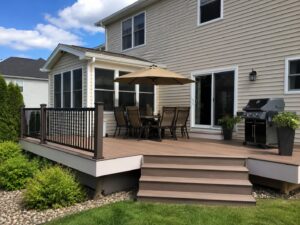
Backyards usually start with a simple question: “Where are we actually going to sit?” Maybe you want a place for summer dinners, a grill station, a quiet coffee spot, or…