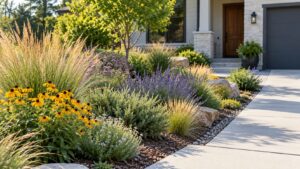
Native Plants for a Practical Landscape Design
Plan native landscaping around site conditions, plant size, and maintenance so your yard looks intentional and stays manageable year-round.

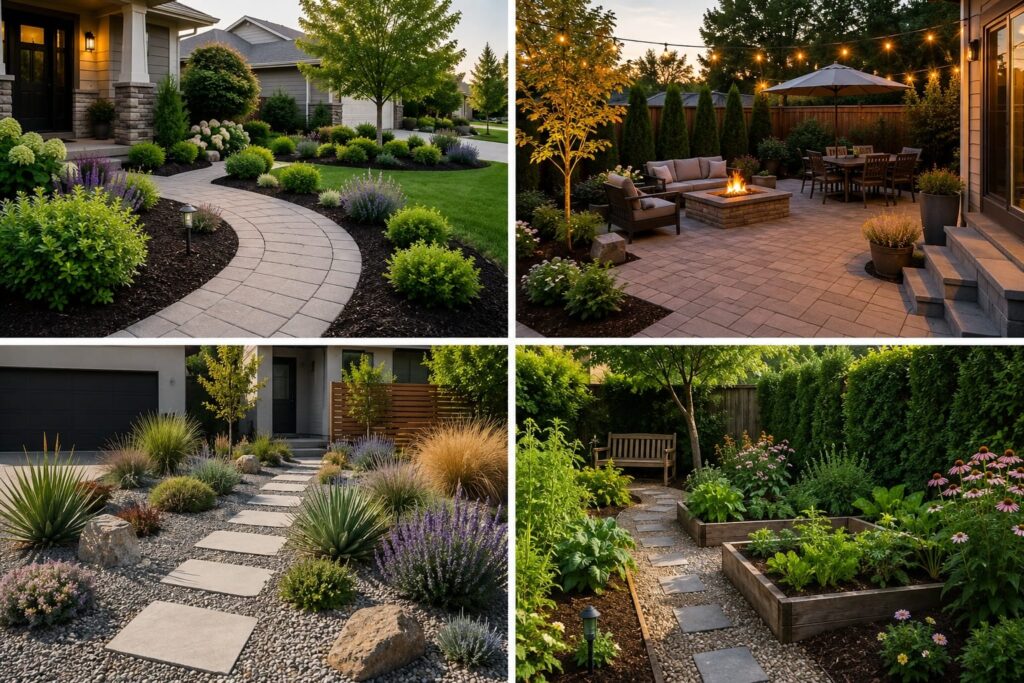
A good landscape does more than make a property look nice. It gives structure to the outdoor space, makes the garden easier to use, improves first impressions and helps the home feel more connected to its surroundings.
Landscaping is not only about planting a few shrubs or adding a lawn. It is about balance: plants, pathways, shade, privacy, hardscaping, maintenance and the way people move through the space.
On Sulabri, this category brings together practical landscaping ideas, garden design advice and simple planning guides for homeowners, contractors and outdoor professionals. Whether the goal is to improve a front yard, redesign a backyard or create a low-maintenance garden, the focus is always the same: make the outdoor space more useful, more attractive and easier to care for.
This section is dedicated to practical landscaping and garden design ideas for creating outdoor spaces that feel structured, natural and easy to enjoy.
A garden can have beautiful plants and still feel confusing. Maybe there is no clear path. Maybe the lawn takes too much space. Maybe the front yard looks empty, while the backyard feels overcrowded. Small things like that can make an outdoor space feel unfinished, even when money has already been spent.
Good landscaping usually starts with structure. Before choosing plants or materials, it helps to understand how the space works. Where do people enter? Where should they walk? Which areas need privacy? Which views should be highlighted? Which parts of the garden are sunny, shaded, dry or exposed to wind?
Once those questions are clear, the rest becomes much easier. Plants can be chosen for the right place. Pathways can guide movement naturally. Hardscaping can support the layout instead of fighting against it. The garden starts to feel intentional.
This category explores the main elements that shape an outdoor space. Some guides focus on design ideas, while others explain practical choices homeowners often face before starting a landscaping project.
Plants matter, of course. They bring color, texture, shade, movement and life. But garden design is not only about choosing what looks good at the garden center.
A plant that looks perfect today may become too large in a few years. A flower bed may look beautiful in spring but empty during the rest of the year. A tree may create welcome shade, but it may also affect roots, paving or nearby structures if it is placed without enough thought.
That is why landscaping guides need to consider both the present and the future. A good garden should look good now, but it should also age well. It should be easier to maintain, not harder. It should work with the property, not create new problems every season.
One of the most useful ideas in landscaping is the balance between softscaping and hardscaping.
Softscaping includes the living parts of the landscape: grass, trees, shrubs, flowers, hedges and ground covers. Hardscaping includes the built elements: patios, walkways, retaining walls, gravel areas, fences, steps and edging.
Too much softscaping can make a garden feel messy or hard to maintain. Too much hardscaping can make the space feel cold or rigid. The best outdoor spaces usually combine both. A stone path feels better with planting around it. A lawn feels more intentional with clean borders. A patio becomes softer with trees, planters or nearby shrubs.
| Landscape Element | Main Role | Best For | What to Watch |
|---|---|---|---|
| Planting beds | Add color, texture and seasonal interest | Front yards, borders, patios and garden edges | Choose plants that match climate, soil and maintenance needs |
| Pathways | Guide movement and structure the space | Gardens, entrances, side yards and outdoor living areas | Plan width, drainage and material carefully |
| Retaining walls | Manage slopes and create usable levels | Uneven yards, terraced gardens and raised areas | May require professional design depending on height and soil |
| Lawns | Create open space and visual calm | Family yards, play areas and simple landscapes | Can require mowing, watering and seasonal care |
| Trees and shrubs | Provide shade, privacy and structure | Long-term garden design and curb appeal | Consider mature size, roots and placement near buildings |
One common mistake is starting with plants before understanding the layout. It is tempting, especially when a nursery display looks beautiful. But landscaping works better when the big decisions come first.
Where should the main path go? Which area should stay open? Where is privacy needed? Should the design feel formal, natural, modern or relaxed? Is the goal to reduce maintenance, create shade, improve curb appeal or make the backyard more comfortable?
Once the purpose is clear, plant choices become more logical. A front yard may need structure and year-round curb appeal. A backyard may need privacy, shade and comfortable transitions between the house and the garden. A small garden may need vertical planting, simple materials and careful proportions.
This section is written for homeowners who want practical ideas, but it can also be useful for landscapers, garden designers, contractors and agencies working in the outdoor improvement space.
Clear landscaping content helps explain why certain choices matter. A well-designed garden is not only about appearance. It can affect maintenance, drainage, comfort, privacy, property value and the way people experience the home every day.
For professionals, educational content also helps homeowners understand the value of planning. Many landscaping projects look simple from the outside, but the best results often come from experience, sequencing and good decision-making.
Below, you will find practical guides dedicated to landscaping ideas, garden layouts, front yard design, low-maintenance gardens, planting strategies, hardscaping, pathways and other ways to create outdoor spaces that feel both beautiful and useful.
Plan native landscaping around site conditions, plant size, and maintenance so your yard looks intentional and stays manageable year-round.
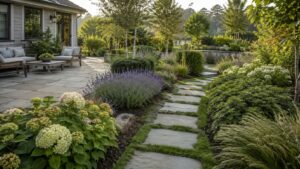
Learn how to balance hardscaping vs softscaping on a suburban lot so your yard feels finished, functional, and easy to maintain.
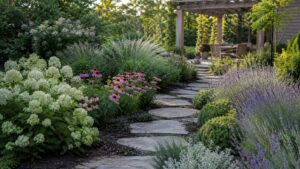
Learn how choosing plants based on sun, soil, space, and hardiness zone helps create a polished suburban garden that stays manageable.
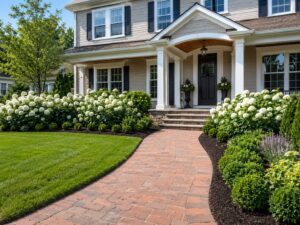
The front yard is the part of your home everyone sees first. Neighbors notice it. Guests walk through it. Buyers judge it before they even step inside. And honestly? You…
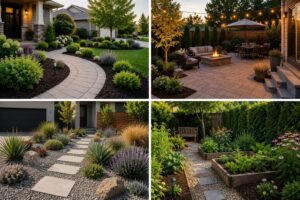
A low-maintenance landscape sounds simple enough: fewer chores, less watering, fewer weeds, and a yard that does not fall apart the minute life gets busy. But here is the catch:…
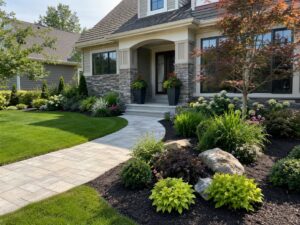
A front yard can make a home feel welcoming before anyone reaches the door. A backyard can either sit there unused… or become the place where dinner, play, quiet coffee,…