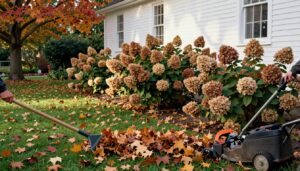
Should You Rake, Mulch, or Leave Fall Leaves?
Not every leaf pile needs the same fix. Learn when to rake, when to mulch, and when to leave leaves in place for a healthier yard.

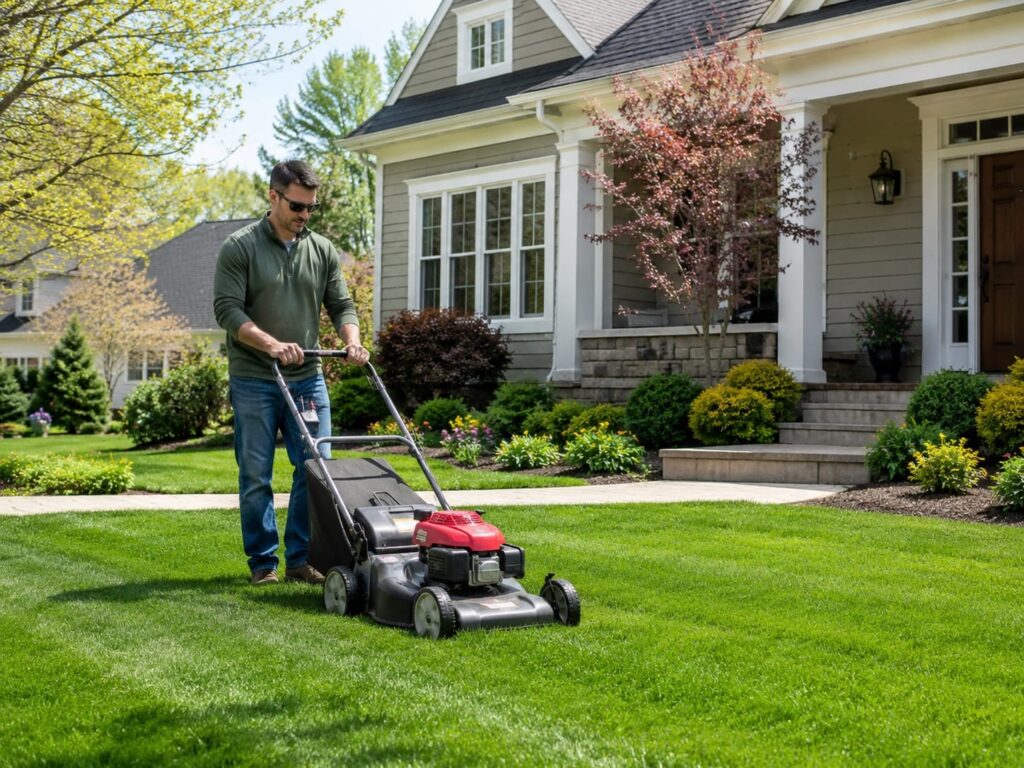
A healthy lawn and a well-maintained garden can completely change the way an outdoor space feels. It looks cleaner, feels more welcoming and makes the whole property easier to enjoy. But good maintenance is not only about mowing the grass once in a while or pulling a few weeds when things get messy.
Lawn care and garden maintenance work best when they are regular, practical and adapted to the space. A yard does not need to be perfect, but it does need a little consistency. The right mowing rhythm, better watering habits, healthier soil and seasonal care can make a big difference over time.
On Sulabri, this category brings together practical guides for homeowners, contractors and anyone who wants to keep an outdoor space cleaner, healthier and easier to manage. From lawn care basics to seasonal garden maintenance, the goal is simple: help readers understand what really matters before the yard becomes a problem.
This section is dedicated to practical lawn care and garden maintenance advice for keeping outdoor spaces healthy, clean and easier to enjoy throughout the year.
A lot of homeowners wait until the lawn looks tired before thinking about maintenance. Brown patches appear. Weeds spread. The soil becomes compacted. Shrubs grow in every direction. Then suddenly, what could have been simple upkeep starts to feel like a full rescue mission.
The good news is that lawn care does not always need to be complicated. In many cases, small habits repeated at the right time do more than big, rushed interventions. Mowing at the right height, watering deeply instead of constantly, feeding the soil and keeping weeds under control can help the yard stay healthier with less stress.
Garden maintenance works the same way. A little seasonal cleanup, a fresh layer of mulch, regular trimming and a few smart plant choices can make the whole outdoor space feel more organized.
This category covers the everyday decisions that affect how a lawn grows, how much work it requires and how good it looks through the seasons.
A garden often becomes difficult to manage when maintenance is delayed for too long. Weeds get established. Plants outgrow their space. Edges disappear. Leaves and debris build up. Irrigation problems go unnoticed. Before long, the garden feels harder to bring back under control.
That is why prevention matters. A well-maintained garden is usually not the result of one huge cleanup. It is the result of regular attention. Trimming before shrubs become too heavy, refreshing mulch before weeds take over, checking irrigation before plants dry out, and cleaning beds before the season changes can save a lot of work later.
This does not mean the garden needs to look perfect every day. Outdoor spaces are living spaces. They change. They grow. They react to weather. The goal is not perfection, but balance.
Every yard is different, but most outdoor spaces benefit from a mix of weekly, monthly and seasonal care. Some tasks are simple enough for many homeowners to handle themselves. Others may be easier with a professional, especially for larger properties, irrigation systems, trees, slopes or recurring lawn problems.
| Maintenance Task | How Often | Main Benefit | What to Watch |
|---|---|---|---|
| Mowing | Usually weekly during active growth | Keeps the lawn clean, dense and easier to manage | Avoid cutting too short, especially in hot weather |
| Watering | Depends on climate, season and soil | Supports deeper roots and healthier grass | Overwatering can encourage shallow roots and disease |
| Weed control | Regular checks throughout the season | Prevents weeds from spreading and competing with grass | Choose methods carefully to avoid damaging desirable plants |
| Mulching | Often once or twice a year | Helps retain moisture, reduce weeds and improve beds | Do not pile mulch directly against trunks or stems |
| Pruning and trimming | Seasonal or as needed | Keeps shrubs, hedges and plants healthy and structured | Timing matters depending on the plant species |
A lawn does not need the same care in spring, summer and fall. The same is true for planting beds, shrubs and garden features. Seasonal maintenance helps the outdoor space adapt to weather changes instead of reacting too late.
Spring is often the time to clean up, check soil conditions, repair bare patches, refresh beds and prepare the lawn for active growth. Summer usually focuses on mowing, watering, weed control and protecting plants from heat stress. Fall can be a good time for aeration, overseeding, leaf cleanup and preparing the yard for colder months.
Of course, the exact timing depends on the region. Lawn care in Florida, Texas, California, New York or the Midwest will not follow the same rhythm. Climate, grass type, rainfall and soil conditions all matter.
Many lawn problems start below the surface. If the soil is compacted, poorly drained or lacking organic matter, the grass may struggle no matter how much time is spent mowing or watering.
Healthy soil helps roots grow deeper, supports stronger plants and makes the yard more resilient. That is why tasks like aeration, composting, proper fertilization and drainage improvement can be so important.
It is easy to focus only on what is visible. The color of the grass. The weeds. The bare spots. But the real solution often starts underground.
Some homeowners enjoy maintaining their lawn and garden. Others simply do not have the time, equipment or patience. Both situations are normal.
DIY maintenance can work well for smaller yards and simple routines. A homeowner who can mow regularly, water correctly, keep beds clean and handle seasonal tasks may not need much help. But professional maintenance can make sense when the property is larger, the lawn has recurring problems, or the outdoor space needs a more consistent level of care.
A professional can also help identify problems that are not obvious at first: poor drainage, compacted soil, wrong plant placement, irrigation issues or pest pressure. In many cases, the right advice early can prevent more expensive fixes later.
This section is useful for homeowners who want a healthier yard, but it can also be helpful for lawn care companies, landscapers, gardeners and agencies working in the outdoor improvement industry.
Clear educational content helps explain why maintenance matters. A clean lawn and a well-kept garden do not happen by accident. They come from timing, consistency, the right tools and a basic understanding of how outdoor spaces grow and change.
Whether someone handles maintenance alone or works with a professional, better information usually leads to better decisions.
Below, you will find practical guides dedicated to mowing, watering, weed control, seasonal lawn care, soil health, garden cleanup, maintenance routines and simple ways to keep outdoor spaces healthier and easier to manage.
Not every leaf pile needs the same fix. Learn when to rake, when to mulch, and when to leave leaves in place for a healthier yard.
Learn the lawn care mistakes that quietly weaken grass, waste water, and make routine maintenance harder than it needs to be.
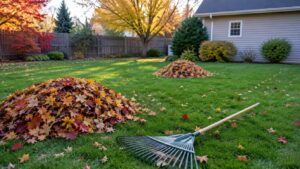
Use a simple fall lawn care plan to clear leaves, feed at the right time, and prepare grass for winter with less waste.
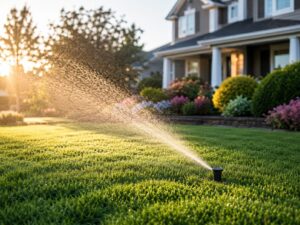
A green lawn can feel like the finishing touch that makes a yard look cared for. But when summer heat kicks in and the sprinklers start running every day, that…

Most homeowners know they need to mow the lawn. The tricky part is knowing when. Mow too often and you may stress the grass, waste time, and burn fuel or…
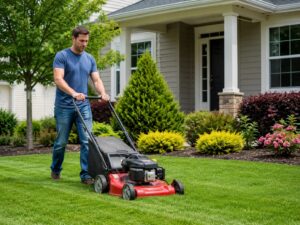
A healthy lawn rarely happens by accident. One week it looks green and soft, then suddenly there are brown patches, weeds along the driveway, and a mower that seems to…