A green lawn can feel like the finishing touch that makes a yard look cared for. But when summer heat kicks in and the sprinklers start running every day, that nice lawn can also start feeling expensive, wasteful, and honestly a little stressful.
Here’s the good news: keeping a lawn green does not mean soaking it nonstop. In many cases, the healthiest lawns are not the ones watered the most. They are the ones watered well. That means deeper watering, smarter timing, better mowing habits, healthier soil, and choosing lawn care routines that help grass handle dry spells more naturally. 💧
This guide is written for homeowners who want a lawn that looks good without sending water down the driveway. You do not need a complicated irrigation system to start saving water. A few practical changes can make a big difference.
Quick Summary
You can keep a lawn green while using less water by watering deeply, mowing higher, improving soil health, and fixing irrigation waste. The goal is not to water more. It is to help your lawn use water more efficiently.
- Water deeply: train roots to grow down instead of staying shallow near the surface.
- Mow higher: taller grass shades the soil and helps reduce moisture loss.
- Fix waste: adjust sprinklers, repair leaks, and avoid watering sidewalks or driveways.
💧 Water Less Often, But More Deeply
One of the most common lawn watering mistakes is giving the grass a quick sprinkle every day. It feels helpful, but it often creates shallow roots. Shallow roots dry out faster, which means the lawn becomes more dependent on frequent watering.
A better approach is to water less often and more deeply. For many lawns, this means watering once or twice a week during dry weather instead of lightly watering every day. The exact amount depends on your soil, grass type, heat, rainfall, and local watering rules.
The goal is to moisten the root zone. When water reaches deeper into the soil, grass roots are encouraged to grow downward. Deeper roots usually make the lawn more resilient during hot, dry periods.
How to check if water is soaking in
After watering, push a screwdriver or soil probe into the ground. If it slides in fairly easily several inches down, the soil is likely getting moisture. If the top is wet but the ground underneath is hard and dry, the water is not penetrating deeply enough.
Clay soil may absorb water slowly, while sandy soil drains quickly. That means your watering strategy should match your soil. If water starts running off before it soaks in, try shorter watering cycles with breaks in between.
🌅 Water at the Right Time of Day
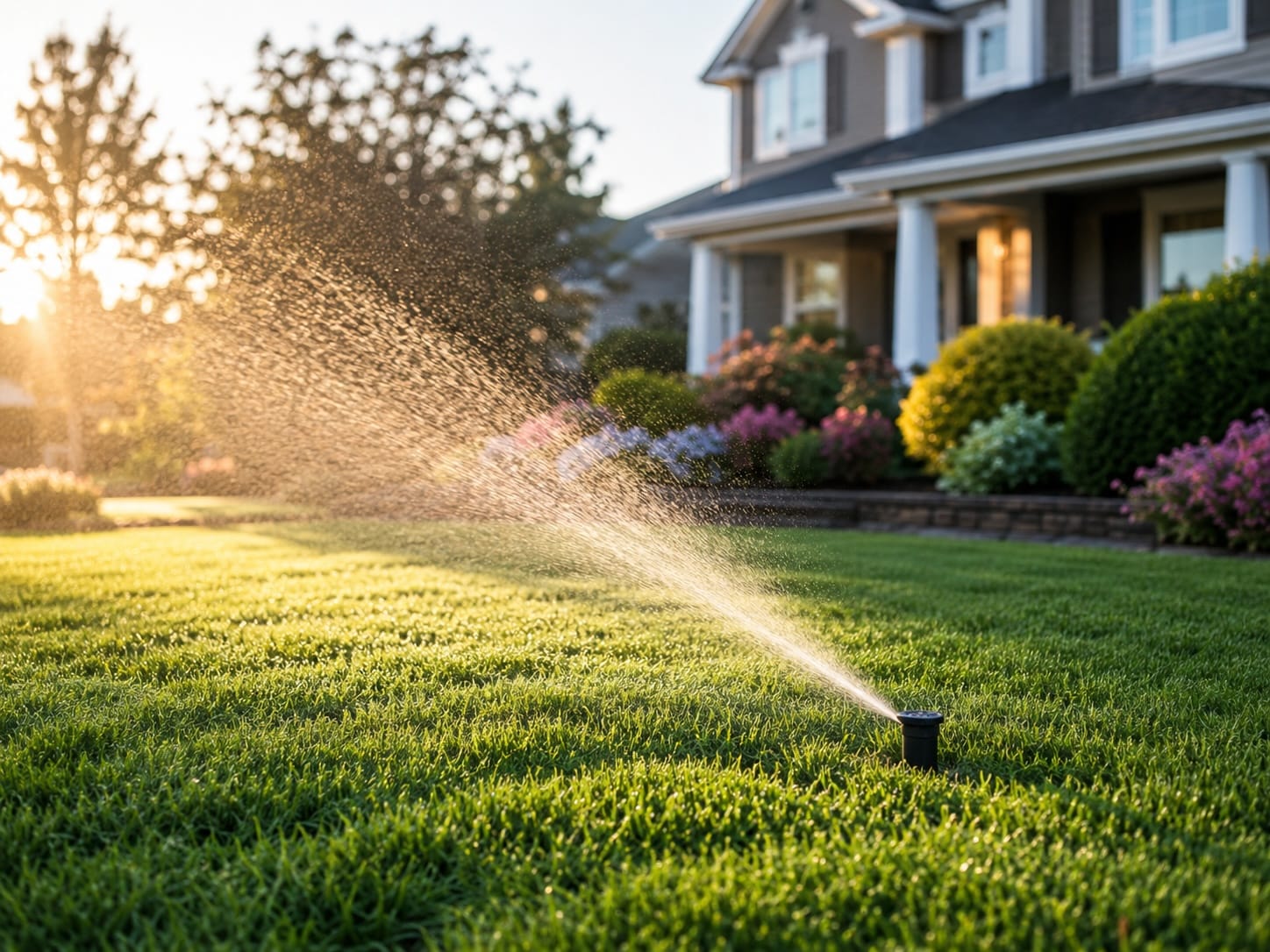
Timing matters. Watering during the heat of the afternoon wastes more water because evaporation is higher. Watering late at night can sometimes leave grass wet for too long, especially in humid areas, which may encourage lawn disease.
For most homeowners, early morning is the best time to water. The air is cooler, winds are usually calmer, and the lawn has time to dry during the day.
A good target is usually before mid-morning. You do not have to be outside with a hose at sunrise, of course. A simple timer or smart irrigation controller can make this easier.
✂️ Mow Higher to Protect the Soil
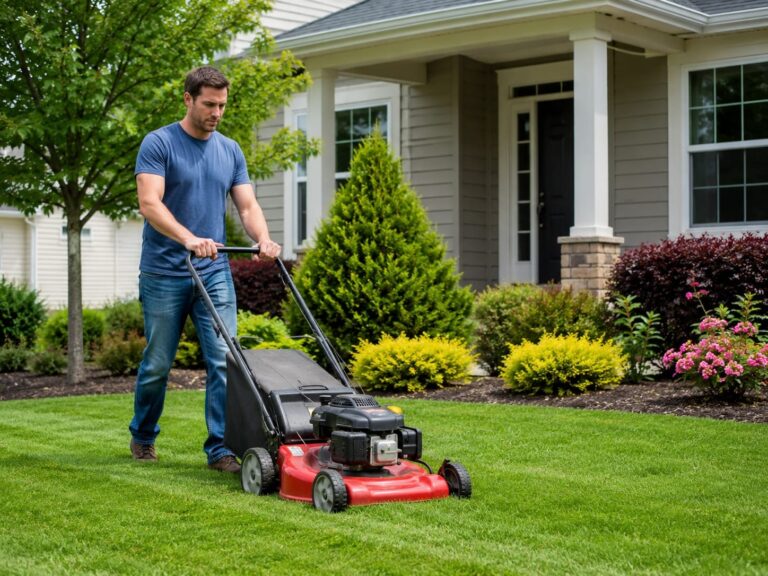
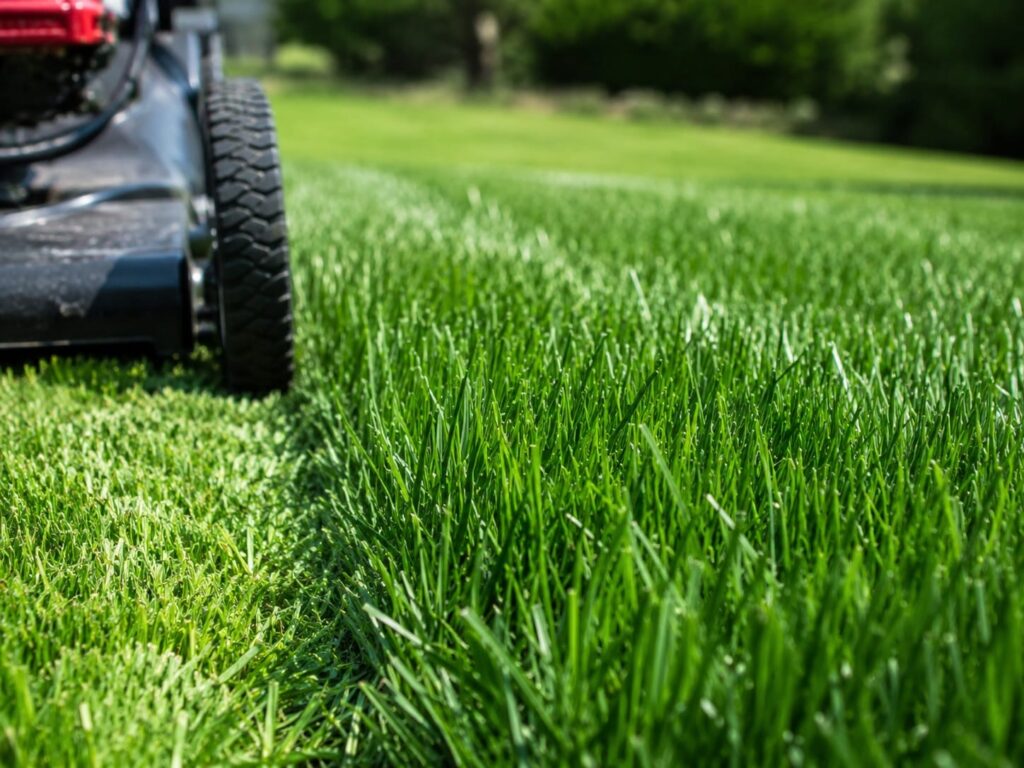
Mowing height has a direct impact on water use. Grass that is cut too short exposes the soil to more sunlight, dries out faster, and often develops weaker roots. It may look tidy for a day or two, but it usually needs more water to stay green.
Taller grass acts like a natural shade layer. It protects the crown of the plant, reduces soil temperature, and slows evaporation. For many cool-season lawns, keeping grass around 3 to 4 inches tall can be a smart choice. Some warm-season grasses are maintained lower, but they should still be mowed according to their grass type and season.
During hot or dry weather, raise your mower one notch. This small adjustment can help your lawn hold moisture longer. 🌿
Avoid scalping the lawn
Scalping means cutting grass extremely short. It is one of the fastest ways to stress a lawn, especially in summer. If your lawn has turned pale or brown right after mowing, the cutting height may be too low.
Follow the one-third rule: try not to remove more than one-third of the grass blade in a single mowing. If the lawn gets too tall, mow it down gradually over a couple of sessions instead of cutting it all at once.
🌱 Build Healthier Soil So Water Goes Further
Healthy soil holds water better and supports stronger roots. Poor soil, compacted soil, or soil with very little organic matter can make watering less effective.
If water runs off quickly or puddles on the surface, your lawn may have compaction or drainage issues. If the lawn dries out extremely fast, the soil may be sandy or low in organic matter.
There are several ways to improve soil over time:
- Leave light grass clippings on the lawn so they break down and return organic matter.
- Topdress with compost in thin layers when appropriate for your grass type.
- Aerate compacted lawns to help air, water, and nutrients reach the root zone.
- Test your soil before applying fertilizers or amendments.
Soil improvement is not instant, but it pays off. A lawn with better soil usually needs less emergency watering during stressful weather.
🚿 Check Your Sprinklers for Waste
Sometimes the problem is not how often you water. It is where the water is going.
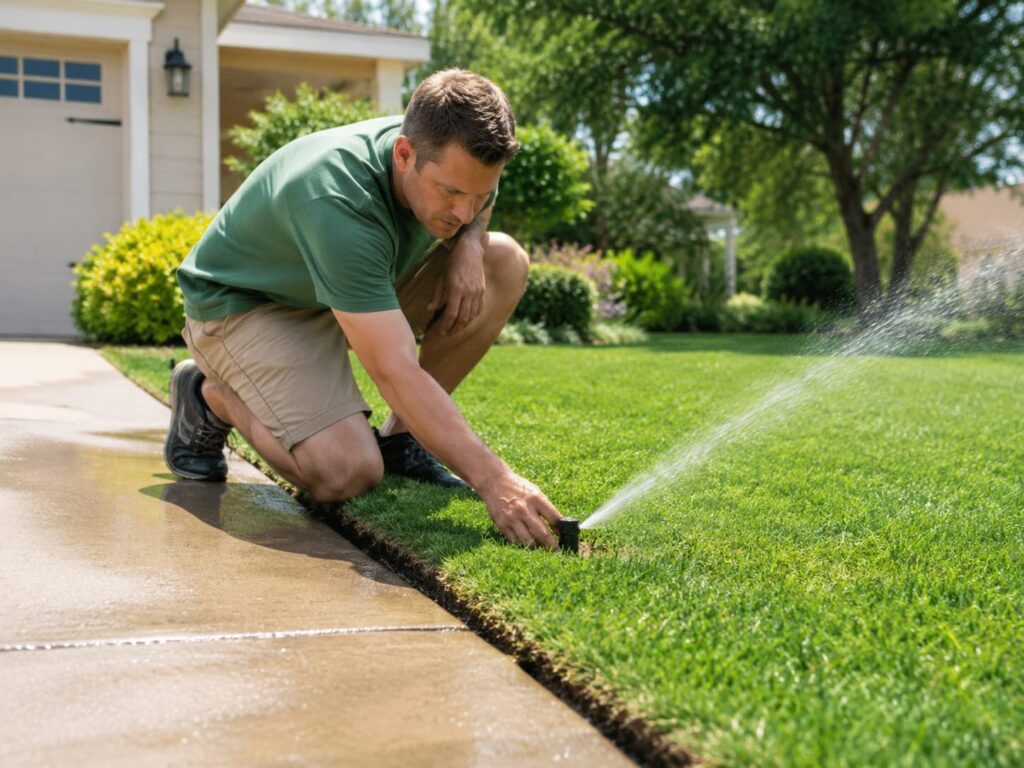
Walk around while your sprinklers are running. Are they watering the sidewalk, driveway, street, fence, or side of the house? Are some areas getting soaked while others stay dry? Is one sprinkler head broken, tilted, clogged, or spraying in the wrong direction?
Small irrigation problems can waste a surprising amount of water over a season. A simple adjustment may improve coverage and reduce your watering time.
| Water-Wasting Problem | What It Looks Like | Simple Fix | Why It Helps |
|---|---|---|---|
| Overspray | Sprinklers hitting pavement, walls, or the street | Adjust spray direction or change nozzle type | Keeps water on the lawn where it is needed |
| Runoff | Water flowing down the driveway or sidewalk | Use shorter watering cycles with breaks | Gives soil time to absorb water |
| Uneven coverage | Dry patches next to soggy areas | Inspect sprinkler spacing and clogged heads | Prevents overwatering some zones to save others |
| Leaking system | Wet spots, bubbling, or unusually high water bills | Repair broken heads, valves, or underground lines | Stops hidden water loss |
🧠 Use Smart Irrigation Tools Carefully
Smart irrigation controllers, rain sensors, and soil moisture sensors can help reduce water waste. They are especially useful for homeowners who travel often or forget to adjust watering after rain.
A smart controller can adjust schedules based on weather conditions. A rain sensor can stop irrigation when rainfall has already done the job. Soil moisture sensors can help prevent watering when the root zone still has enough moisture.
That said, technology is only helpful when it is set up correctly. A poorly adjusted smart system can still waste water. Check your zones, sprinkler heads, and settings at the start of the watering season.
🌤️ Let the Lawn Tell You When It Needs Water
Your lawn gives signs before it becomes seriously stressed. Instead of watering automatically every day, look for clues.
A thirsty lawn may show:
- A bluish-gray tint instead of a fresh green color.
- Footprints that remain visible after walking across the grass.
- Grass blades folding or curling to reduce moisture loss.
- Dry soil several inches below the surface.
These signs do not mean the lawn is dead. They mean it may be time for a deep watering. This approach is more efficient than watering just because it is Tuesday.
🌾 Choose the Right Grass for Your Climate
If your lawn constantly needs water to stay green, the grass type may not be ideal for your region. Some grasses handle heat and drought better than others.
Warm-season grasses such as Bermuda, zoysia, and buffalo grass can be good options in many hot climates, depending on local conditions. Cool-season grasses like tall fescue may perform better in other regions, especially when chosen for drought tolerance.
If you are overseeding or renovating a lawn, look for seed blends suited to your area. Terms like “drought tolerant” can be helpful, but local performance matters. A grass that works beautifully in one state may struggle in another.
Your county extension office, local nursery, or a qualified lawn care professional can help identify good choices for your climate and soil.
🌼 Reduce Lawn Area Where Grass Struggles
Sometimes the best way to save water is to stop forcing grass to grow in places where it never does well.
Think about the spots that always need extra care: narrow strips along the driveway, steep slopes, deep shade under trees, hot curbside areas, or corners far from irrigation coverage. These areas often use a lot of water and still look patchy.
Instead of fighting them every year, consider replacing problem areas with:
- Mulched planting beds
- Native or drought-tolerant plants
- Groundcovers suited to your region
- Gravel paths or stepping stones
- A small patio, seating area, or garden feature
This does not mean removing your whole lawn. It simply means using grass where it makes sense and choosing lower-water options where it does not.

🧪 Fertilize Carefully During Dry Weather
Fertilizer can help a lawn stay thick and green, but timing matters. Pushing fast growth during hot, dry weather can increase the lawn’s water demand. It may also stress the grass if moisture is limited.
In many cases, it is better to fertilize during active growth and favorable weather, not during severe heat or drought. For cool-season lawns, fall is often a key feeding period. For warm-season lawns, fertilization usually aligns with active summer growth, but watering restrictions and drought conditions should be considered.
Always follow the label and avoid overapplying. More fertilizer does not automatically mean a greener lawn. Sometimes it just means more mowing, more watering, and more stress.
🍂 Mulch Mowing Can Help Moisture Retention
Leaving short grass clippings on the lawn can help support soil health. Clippings break down quickly when mowing is done regularly, returning nutrients and organic matter to the soil.
This is different from leaving heavy clumps. Thick wet clumps can smother grass and should be raked or spread out. But light clippings from regular mowing are usually beneficial.
Mulch mowing also saves time because you do not have to bag and haul clippings away. Less waste, better soil, and less effort? Not bad. 😊
🌵 Accept a Little Seasonal Change
A lawn does not have to be neon green every day of the year to be healthy. During heat or drought, some grasses naturally slow down or go partially dormant. This can look tan or less vibrant, but the lawn may recover when cooler, wetter weather returns.
There is a difference between a dormant lawn and a dead lawn. Dormant grass may look dry but still has living crowns and roots. However, prolonged drought can cause permanent damage, especially if the lawn receives no moisture at all for a long time.
If local watering restrictions are in place, follow them. Your lawn care plan should work with your climate and community rules, not against them.
✅ A Simple Water-Saving Lawn Routine
Here is a practical routine most homeowners can adapt:
- Mow higher during warm or dry weather.
- Water early in the morning when watering is needed.
- Water deeply instead of sprinkling lightly every day.
- Check sprinklers monthly for leaks, overspray, and uneven coverage.
- Improve soil health with aeration, compost, and proper mowing habits.
- Replace difficult lawn areas with lower-water landscaping when grass keeps failing.
This routine keeps the focus where it belongs: helping your lawn become stronger, not just wetter.
🌿 A Greener Lawn With Less Water Is Possible
Keeping a lawn green without wasting water is mostly about working smarter. Water deeply, mow higher, fix sprinkler waste, improve the soil, and choose grass that fits your climate. These steps help your lawn use water more efficiently and handle stress better over time.
You may still need to water during dry stretches. That is normal. But with the right habits, you can often water less frequently, avoid runoff, and keep your yard looking cared for without feeling like every hot day requires another long sprinkler session.
A lawn should make your outdoor space more enjoyable, not turn into a water-guzzling chore. Start with one or two changes this week, and build from there. 💚
❓ FAQ: Keeping a Lawn Green Without Wasting Water
How often should I water my lawn to keep it green?
For many lawns, deep watering once or twice a week during dry weather is better than light daily watering. The right schedule depends on your grass type, soil, climate, rainfall, and local watering rules.
What is the best time to water grass?
Early morning is usually best. Cooler temperatures and calmer winds help reduce evaporation, and the grass has time to dry during the day.
Does mowing higher really save water?
Yes, mowing higher can help reduce moisture loss by shading the soil and encouraging deeper roots. This is especially helpful during hot or dry weather.
Why is water running off my lawn?
Runoff can happen when soil is compacted, clay-heavy, dry and hard, or watered too quickly. Try shorter watering cycles with breaks, and consider aeration if compaction is a problem.
Can I keep my lawn green during drought restrictions?
It depends on the restrictions, grass type, and drought severity. Follow local rules first. Mowing higher, reducing foot traffic, improving soil, and accepting some dormancy can help protect the lawn with limited water.
Should I replace part of my lawn to save water?
In many cases, yes. If certain areas always struggle, replacing them with mulch beds, native plants, groundcovers, or hardscaping can reduce water use and maintenance.