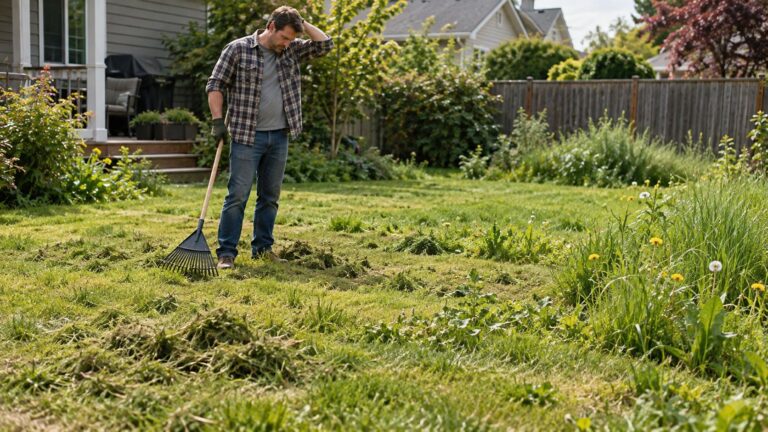
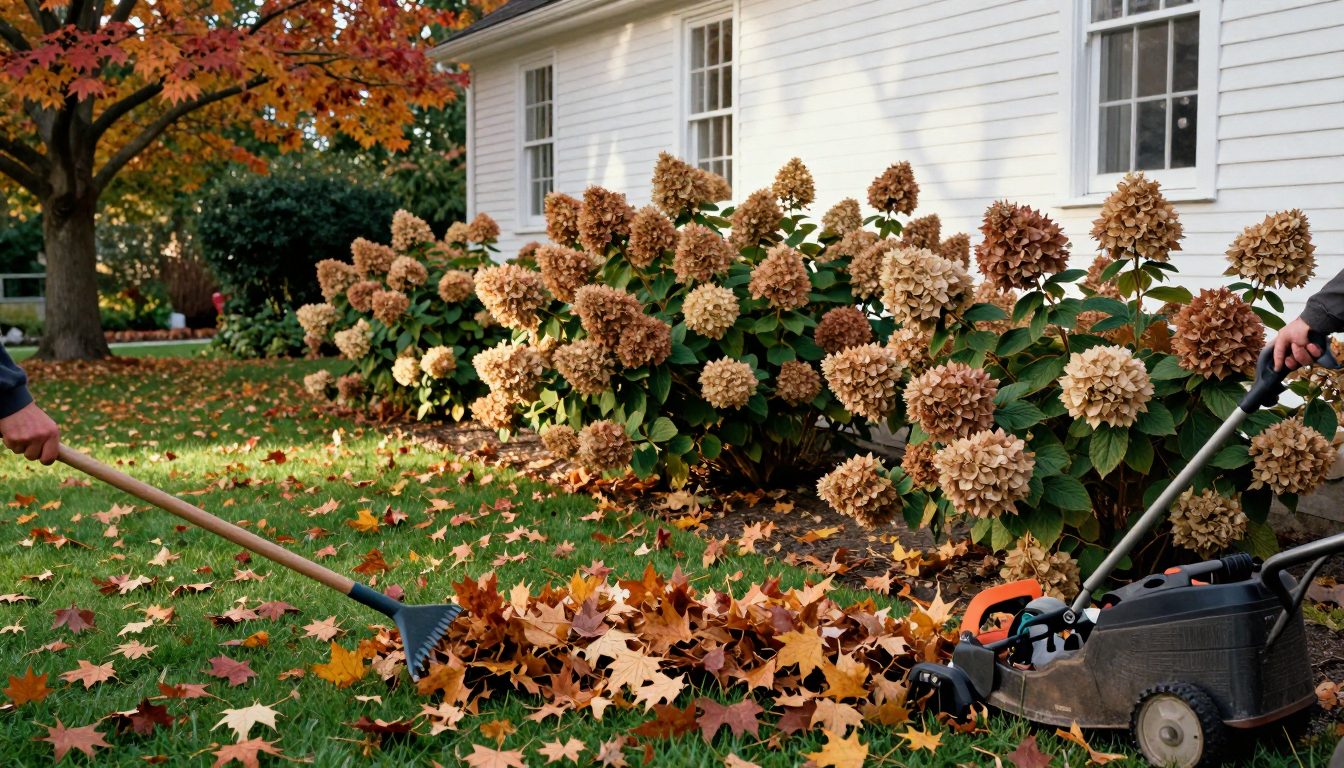
There isn’t one right move for every pile of leaves. A thin layer of dry leaves can usually stay in the system if the grass still shows through afterward. A thick, wet mat on turf is a different story. That belongs off the lawn before winter.
Most leaves are more useful somewhere else in the yard than in a trash bag. Beds, shrubs, and compost can all make better use of them, depending on where the leaves landed and how many you have. The real job is usually moving leaves off the grass, not stripping every last leaf from the property.
If you want the yard to look cared for without giving up your whole weekend, think in zones. Keep the lawn open enough to stay healthy, then send the rest to places where leaves help instead of hurt. That can mean a cleaner front lawn, a better bed edge, and less material headed to the curb.
In other words, the question is less “rake or not” and more “where should each pile go?”
📌 Key takeaways
- A thin layer of dry leaves can stay in the lawn if the grass still shows through afterward.
- A thick, wet mat on grass should come off before winter.
- Leaves often do more good in garden beds, under shrubs, or in compost than in the trash.
- For a tidy look, focus on clearing leaves off turf first, then decide what to keep on the property.
How much leaf cover is too much for grass?
A light layer is usually manageable if you mow it in several passes with a mulching mower. The shredded pieces drop between the grass blades and break down over winter, so the lawn is not sitting under a solid blanket.
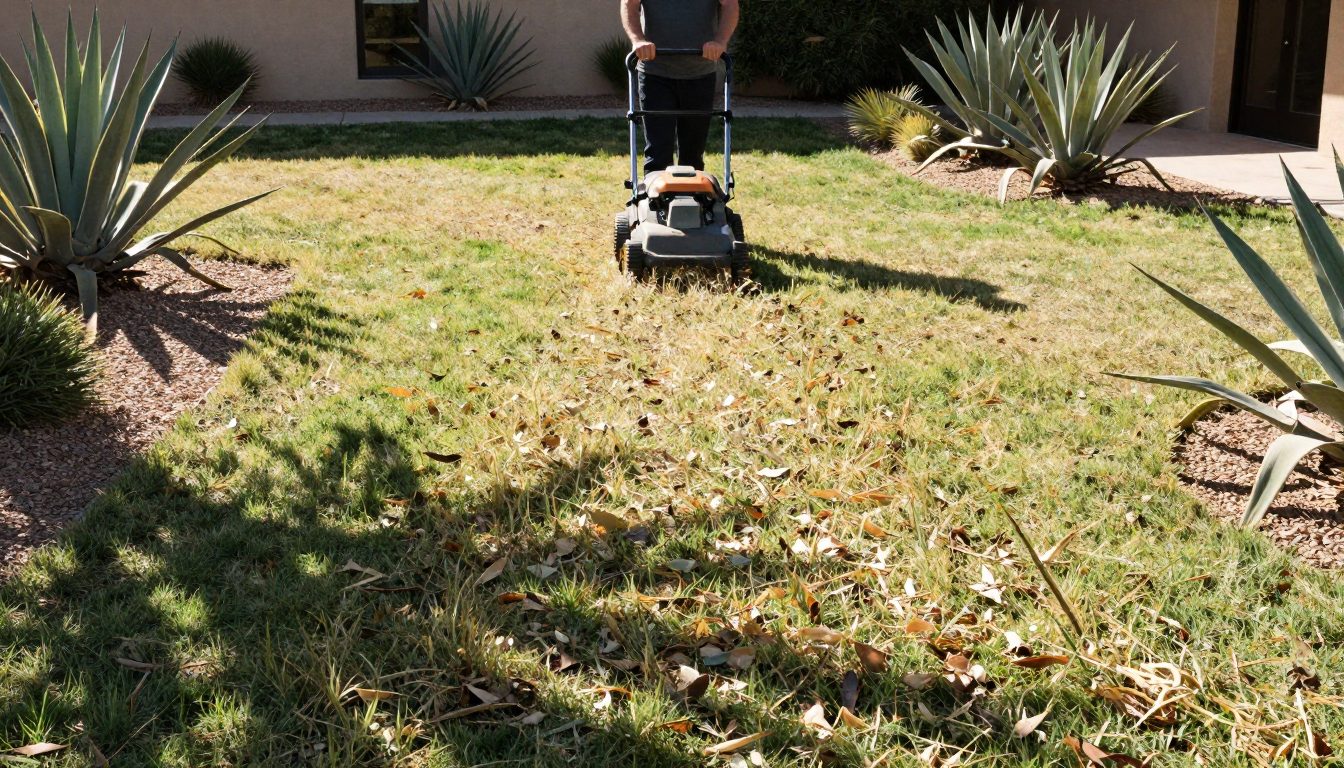
The problem starts when the leaves form a whole, wet mat. That kind of cover blocks light and air. In colder stretches of the country, that can set up snow mold and leave dead patches behind in spring. Once the turf is hidden, the grass is not getting what it needs to stay healthy.
The easiest check is visual. After mowing, you should still be able to see the grass blades. If the leaves are hiding the turf, the cover is too heavy for the lawn to handle well, and the leaves need to be moved or collected.
Dry leaves are the easiest to mulch because they break into smaller pieces and settle down fast. Wet leaves are a different matter. They tend to mat, stick together, and sit on top of the grass instead of falling through it.
That is why the same yard can be fine one week and too covered the next after rain or a heavy drop. Oak leaves also tend to hang around longer than maple leaves, so the type of tree matters when you are judging how long a pile will sit on turf.
If the lawn is still visible after mowing, you are usually in the safe zone. If the leaves make the grass disappear, the lawn is telling you the cover is too heavy.
Where leaves help most: beds, shrubs, and compost
Once leaves are off the lawn, they still have real value. Shredded leaves make a simple mulch for perennial beds and around shrubs, where they help cover soil without crowding the plants. That layer can also soften temperature swings and cut down on bare, exposed ground.
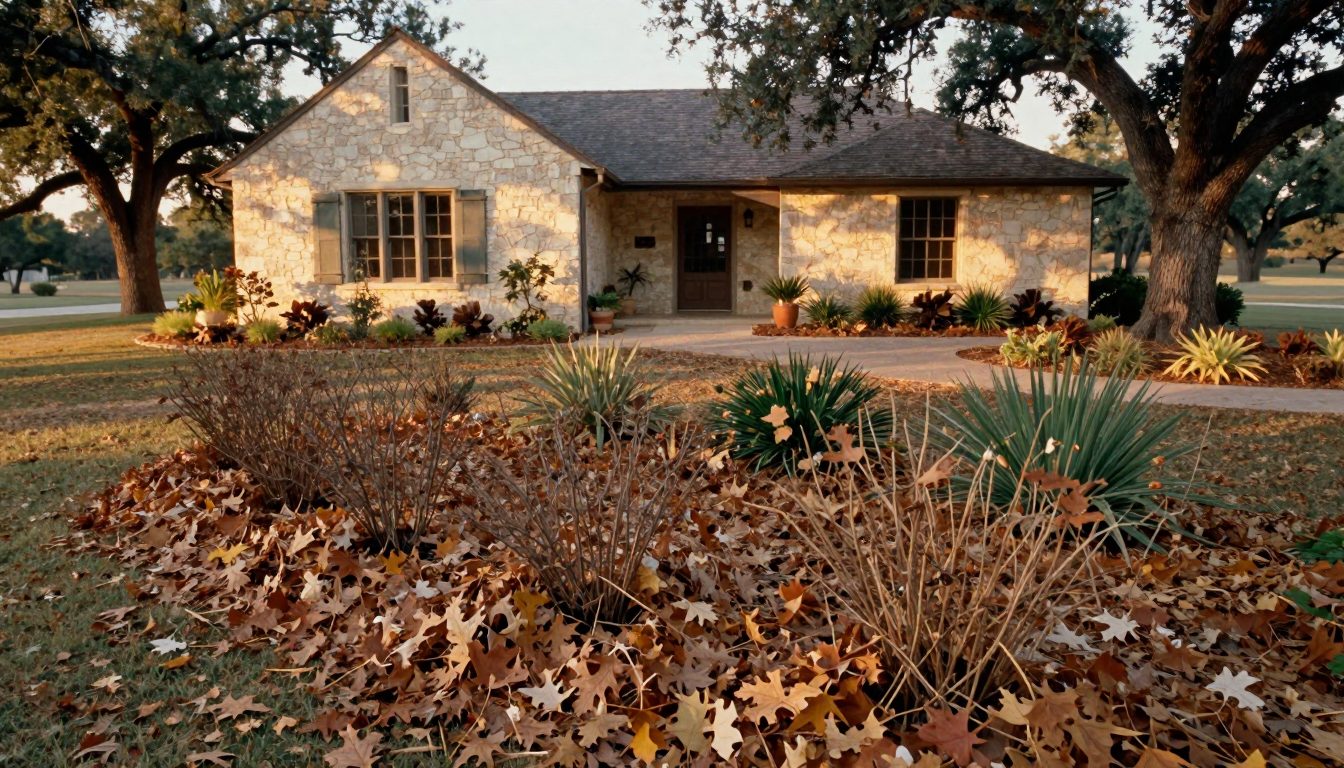
The trick is to use them where air can still move. Beds and shrub lines are a better fit than turf because leaves can settle around stems and crowns without forming the same kind of blanket that causes trouble on grass. Keep the mulch loose, not packed, and leave a little space right around woody trunks and plant stems.
Leaves also pull their weight in compost. They are a classic brown ingredient, which means they balance out kitchen scraps and green yard waste that are wetter and richer in nitrogen. If you already compost, fall is a good time to stock the pile with material you would otherwise have to haul away.
There is another reason many extension services now encourage keeping some leaves in beds and under shrubs. Those spots can shelter overwintering insects, including butterfly and moth larvae. That matters for pollinators and for the food chain that depends on them.
You do not have to leave every leaf in place to get that benefit. A few tucked under shrubs or spread through perennial beds can do more good than a spotless cleanup, especially in back corners where appearance matters less than function. Just keep the layer from burying small plants or matting tightly against stems.
💡 What most people miss
Leaves are not only yard waste or mulch. In the right place, they become winter cover for insects that never show up in a neat spring cleanup. That means the “messy” corner under a shrub can be one of the most useful spots in the yard, and the practical result is less hauling for you and more habitat left in place.
Rake, mulch, or collect: which choice fits each spot?
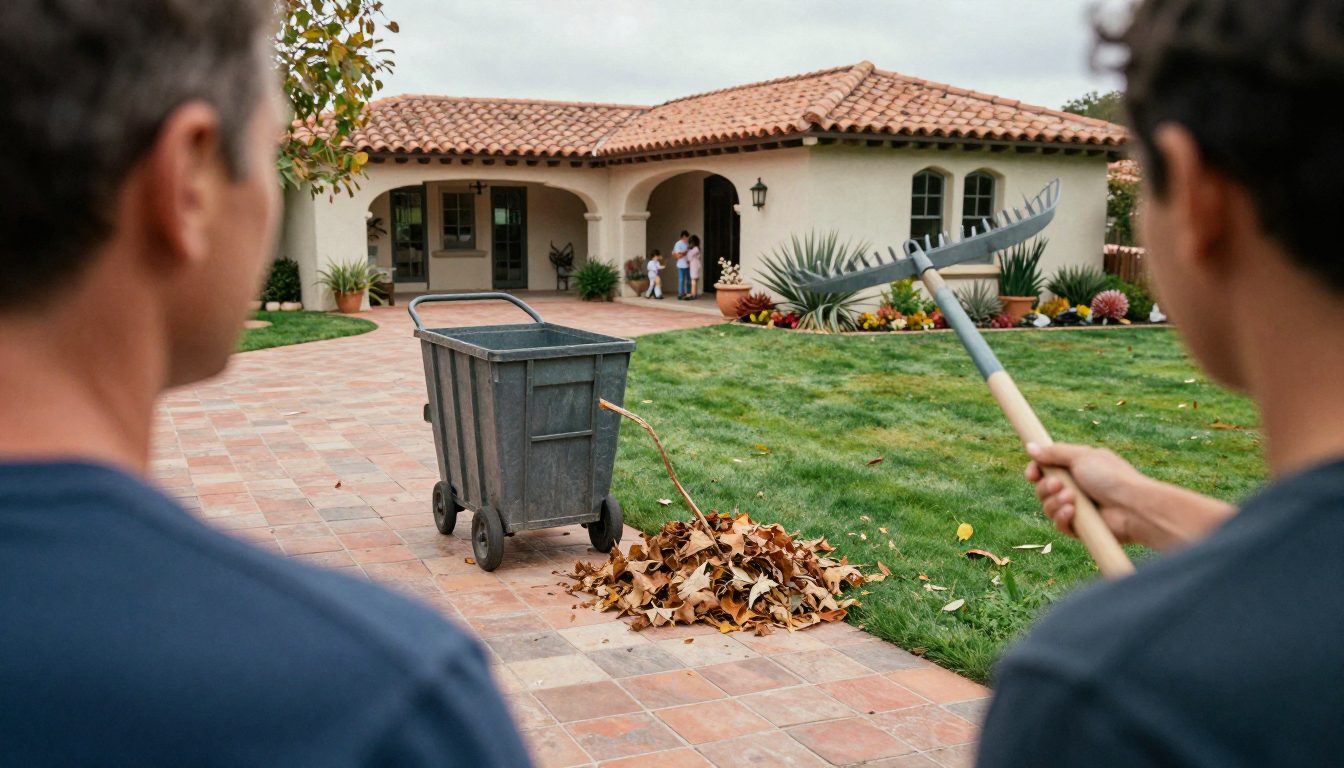
Think in terms of labor, appearance, and volume. Raking and bagging gives you the cleanest reset, but it is also the most work. Mulching keeps more material on site and is gentler on the lawn when the leaves are dry. Curbside pickup makes sense when the pile is bigger than you want to handle, especially if your town already collects yard waste.
| Item compared | Lawn protection | Yard appearance | Effort |
|---|---|---|---|
| Rake and bag | Clears turf before winter weather | Most polished, least leafy look | Highest lifting, hauling, and bagging |
| Mulch leaves | Works best when leaves are dry | Tidier than piles, not invisible | Needs repeated passes over the lawn |
| Curbside leaf collection | Removes heavy loads from turf | Clean curb, depends on pickup timing | Low if local service is available |
| Bag for trash | Keeps debris off lawn and walks | Very neat, but looks temporary | Extra handling and disposal work |
This comparison helps you match the method to the job, not to the whole yard. A suburban front lawn may call for a neater finish, while a big tree canopy can push you toward pickup or mulching just to keep up.
One caution: local yard-waste programs change by city and season, and many states and towns restrict or ban open burning of leaves. If you are dealing with oak-heavy leaf drop, expect slower breakdown than with maple and plan your cleanup accordingly.
What changes by region, tree type, and local rules?
Climate changes the answer faster than most people expect. In colder regions, leaves that stay wet on turf are more likely to sit there all winter and cause trouble in spring. In milder areas, especially where fall stays dry for longer, shredded leaves can disappear into the lawn more quickly.
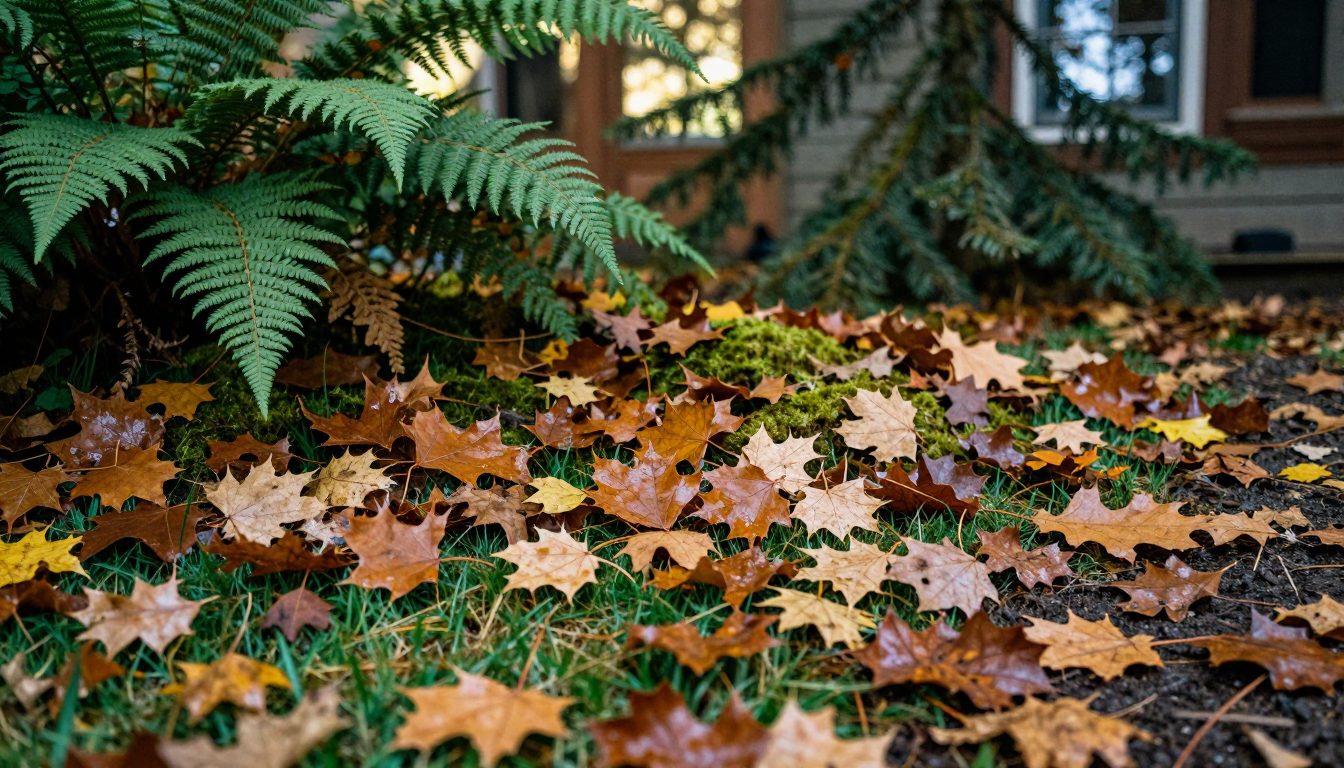
Tree species matter too. Oak leaves usually break down more slowly than maple leaves, so the same pile can behave very differently from one yard to the next. A yard with mostly oak drop may need more cleanup than a yard full of softer, faster-decaying leaves, even if the volume looks similar at first glance.
That timing also shifts by region. In the Northeast and Upper Midwest, a wet leaf mat is more likely to linger under snow and freeze-thaw cycles. In the Pacific Northwest, frequent moisture can keep leaves slick and clumped. In parts of the Southeast and Southwest, dry weather may make shredding and composting more practical for longer into the season.
Local rules matter just as much as weather. Many states and towns restrict or ban open burning of leaves, and yard-waste pickup varies by city and season. Some places want leaves bagged a certain way, some offer curbside collection, and some limit what goes into the bin.
- Check your city or county yard-waste page before you set out bags or bundles.
- Look for seasonal pickup dates, container rules, and any limits on mixed debris.
- If you were thinking about burning, verify the local ordinance first, because the answer is often no.
That is why the same cleanup plan can work in one suburb and fail in another. The leaf type, the weather, and the local program all shape the practical choice.
What should you do with fall leaves in your yard?
If the leaves are thin and dry on the lawn, mow them in and move on. Keep the rest where they help, especially in perennial beds, under shrubs, or in the compost pile.
If the leaves are thick, wet, or matted on grass, take them off the turf before winter. Save any usable dry leaves for beds or compost instead of treating the whole pile the same way.
For a tidy yard without stripping it bare, focus on the lawn first. You can leave some leaves where they do useful work off the grass, and that usually means cleaner edges with less waste.
Can I just leave all the leaves on the lawn?
No. A light scattering is one thing, but a dense wet mat is another. If the turf is hidden, the leaves need to be moved or collected before winter.
What should I do with leaves from shrubs and beds?
Leave them there if the layer is light, or top up those areas with shredded leaves from the lawn. They act as mulch and can shelter overwintering insects, which is why extension services increasingly support keeping some leaves in place.
Are leaves better in compost or in the trash?
Compost is usually the better home for clean leaves. They add the brown material a pile needs, while trash removes that benefit and creates more disposal work.
Do oak leaves need different handling than maple leaves?
Yes, because oak leaves break down more slowly. A pile that disappears fairly well in one yard may linger in another, so oak-heavy cleanup often needs more patience or more removal from turf.
What if I have a lot of leaves and a neat curb appeal matters?
Keep the lawn clear and put usable leaves into beds or compost. For big volumes, curbside yard-waste pickup can be the practical backstop, but the local program rules decide what they will take.