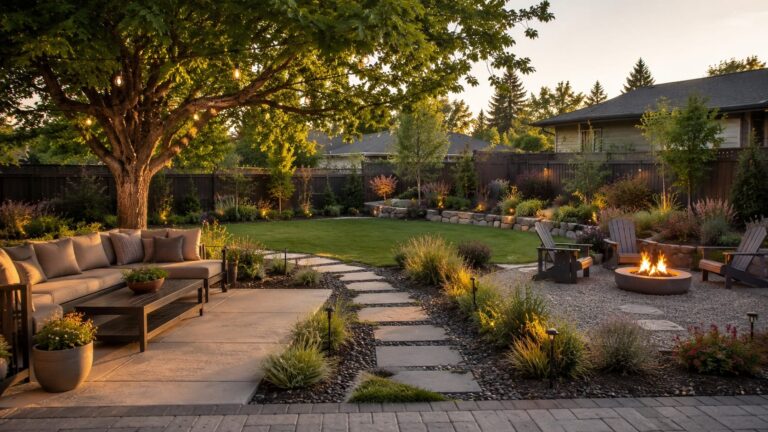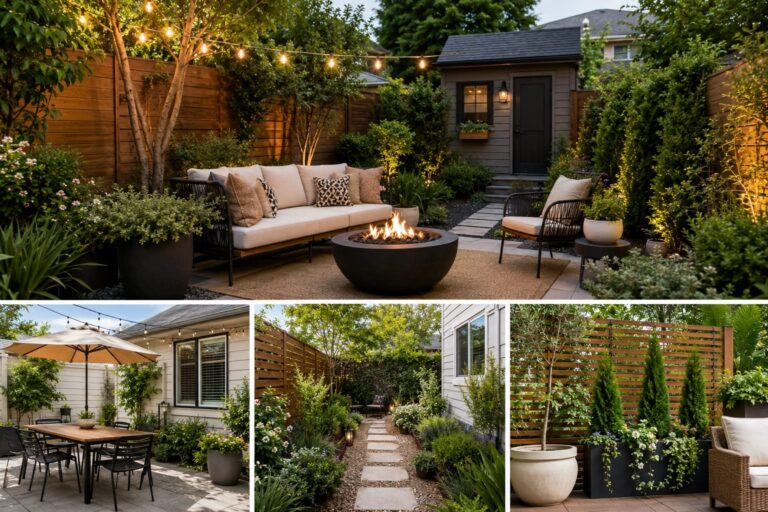
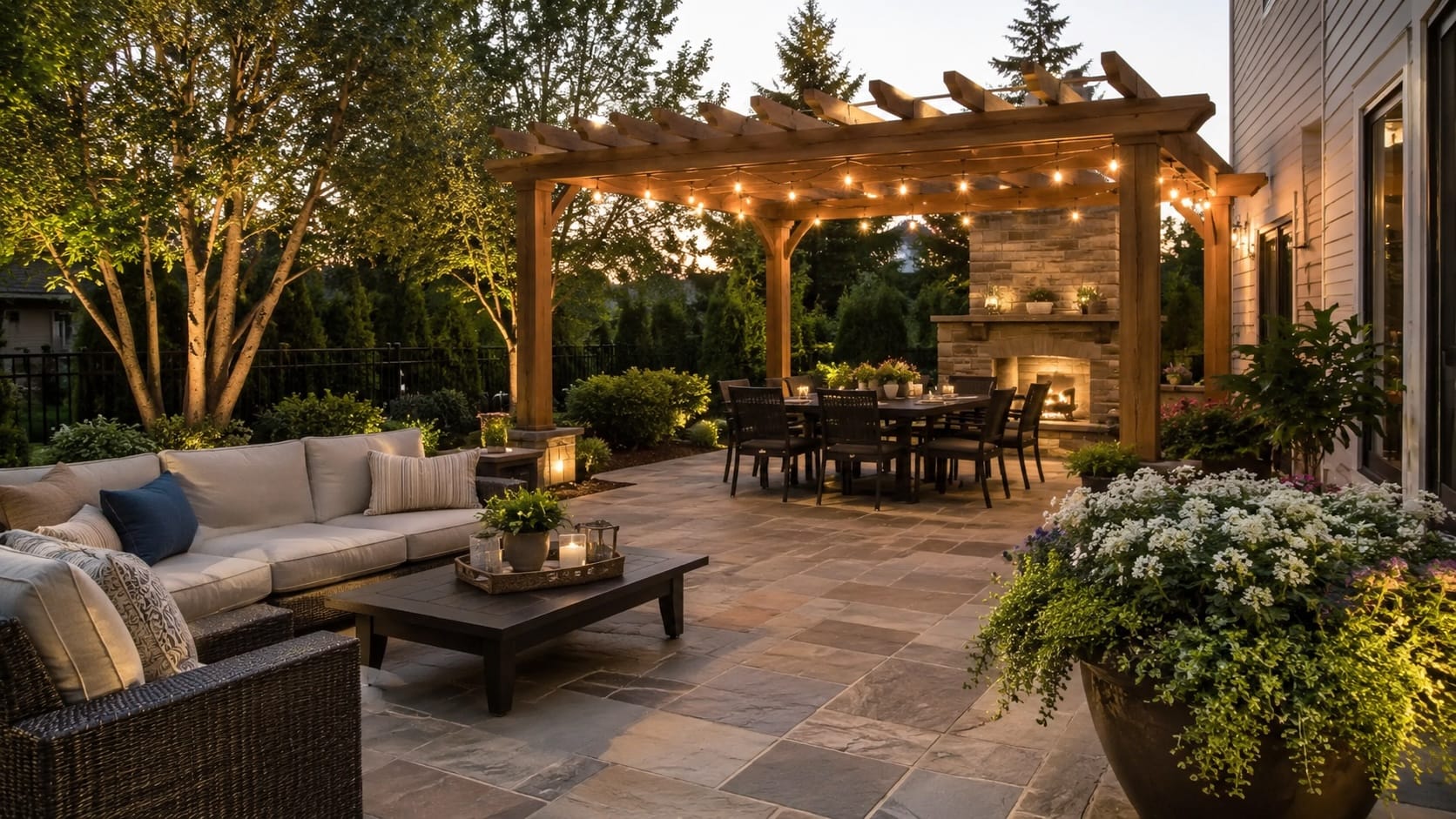
How to Plan an Outdoor Living Space That Feels Comfortable and Useful
A backyard can look beautiful and still feel awkward to use. Maybe the patio gets too much afternoon sun. Maybe the grill is far from the kitchen. Maybe everyone ends up dragging chairs across the lawn because the “seating area” never quite works.
That is usually not a furniture problem. It is a planning problem.
A comfortable outdoor living space is not just a pretty patio with a few plants around it. It is a space that fits how you actually live: morning coffee, weekend grilling, quiet reading, kids running around, dogs wandering through, friends staying longer than expected. The best outdoor areas feel easy, useful and relaxed because the layout, shade, surfaces, lighting and maintenance all work together.
This guide will walk you through how to plan an outdoor living space that looks good, feels good and gets used often. 🌿
Quick Summary
A useful outdoor living space starts with real-life habits, not just design inspiration. Plan zones, shade, circulation, lighting and maintenance before buying furniture or building hardscape.
- Start with use: decide whether the space is mainly for dining, lounging, cooking, entertaining, gardening or family time.
- Plan comfort first: shade, seating, privacy, lighting and easy movement matter as much as style.
- Build in layers: combine hardscape, furniture, plants and small details so the space feels natural and practical.
🌿 Start With How You Want to Use the Space
Before thinking about pavers, pergolas or outdoor sofas, ask a simple question: what do you want to do outside?
That may sound obvious, but many homeowners skip this step. They see a gorgeous backyard photo online and try to copy the look, only to realize later that it does not fit their property, climate or lifestyle.
For most homeowners, an outdoor living space usually supports one or more of these activities:
- Dining: family meals, weekend brunch, holiday cookouts or casual dinners outside.
- Lounging: reading, relaxing, watching kids play or enjoying a fire pit.
- Cooking: grilling, smoking, outdoor kitchens or prep space near the house.
- Entertaining: hosting friends, watching games, serving drinks or gathering around a table.
- Quiet retreat: privacy, shade, water features, garden views or a small seating nook.
Try not to plan for an imaginary lifestyle. If you rarely host large groups, you may not need a huge patio. If you love cooking outside, a tiny grill corner may frustrate you. If your evenings are the only time you use the yard, lighting and mosquito control may matter more than a large daytime sun deck.
🪑 Think in Zones, Not One Big Open Area
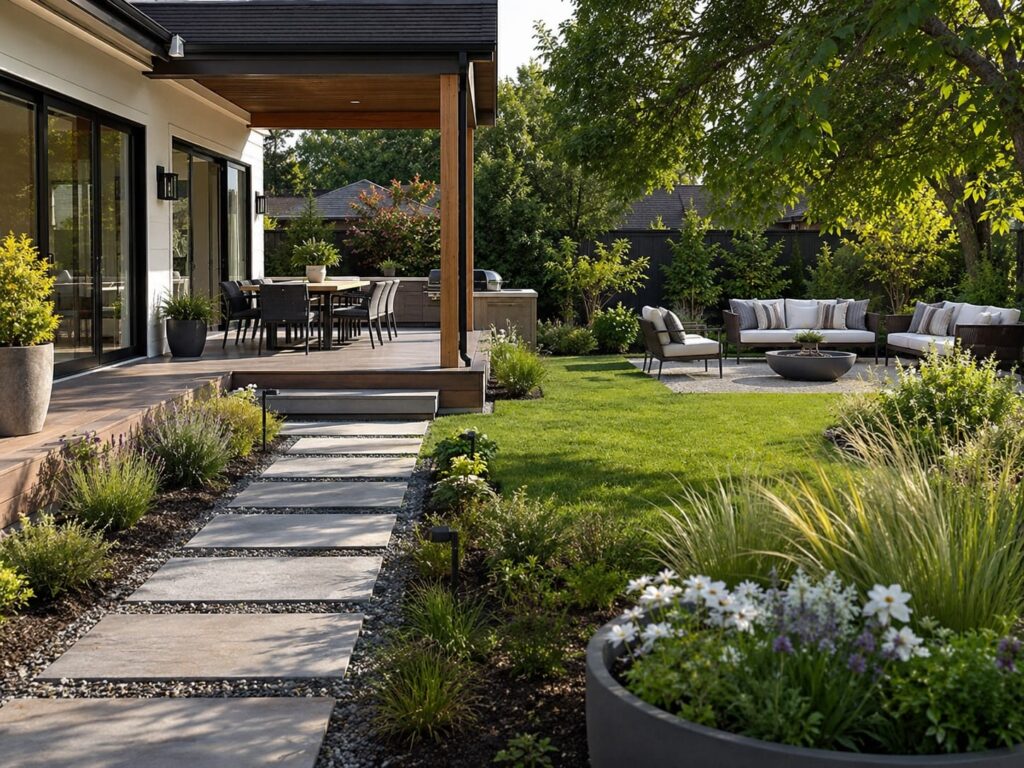
A backyard becomes easier to use when it is divided into zones. These do not need to be formal or expensive. A zone can be as simple as a dining table on a patio, a pair of chairs under a tree or a grill station near the back door.
The goal is to give each part of the outdoor living space a clear purpose. This helps the space feel organized without feeling stiff.
Common Outdoor Living Zones
A practical backyard might include a few of the following:
- A dining zone close to the kitchen or grill.
- A lounge zone with deeper seating and a coffee table.
- A cooking zone with grill access, prep space and safe clearance.
- A shade zone under a pergola, umbrella, awning or mature tree.
- A garden zone with raised beds, ornamental planting or containers.
- A transition zone such as a path, steps or landing between the house and yard.
Small yards benefit from zoning too. In fact, they often need it more. A compact patio can still include dining, lounging and greenery if each piece is scaled correctly.
Choose the Right Location for Each Activity
Location can make or break comfort. A dining table in full afternoon sun may look nice in spring and feel unbearable in July. A grill tucked too far from the kitchen may be annoying every time you carry food outside. A fire pit too close to seating walls, fences or overhanging branches may create safety concerns.
Walk your yard at different times of day before you commit to a layout. Notice where the sun hits, where water collects, where wind moves through and where neighbors have direct views.
| Outdoor Feature | Best Location | Comfort Consideration | Planning Tip |
|---|---|---|---|
| Dining Area | Near the kitchen or grill | Needs shade and enough chair clearance | Leave room to pull chairs back without hitting walls or planters |
| Lounge Seating | Facing a view, garden, fire feature or focal point | Should feel relaxed and slightly protected | A rug, planters or low wall can visually define the area |
| Grill Station | Close to the house but safely ventilated | Smoke, heat and traffic flow matter | Check manufacturer clearances and local safety guidance |
| Fire Pit | Open area away from structures and branches | Needs safe spacing and stable seating | Review local fire rules before installing or using one |
| Garden Nook | Quiet corner with good light | Privacy and plant health both matter | Use taller plants or screens to create a tucked-away feel |
☀️ Plan for Shade Before You Buy Furniture
Shade is one of the biggest comfort factors in outdoor living. Without it, even a beautiful patio can become a place people avoid during the warmest parts of the day.
There are several ways to add shade, and the right choice depends on your climate, budget, style and how permanent you want the structure to be.
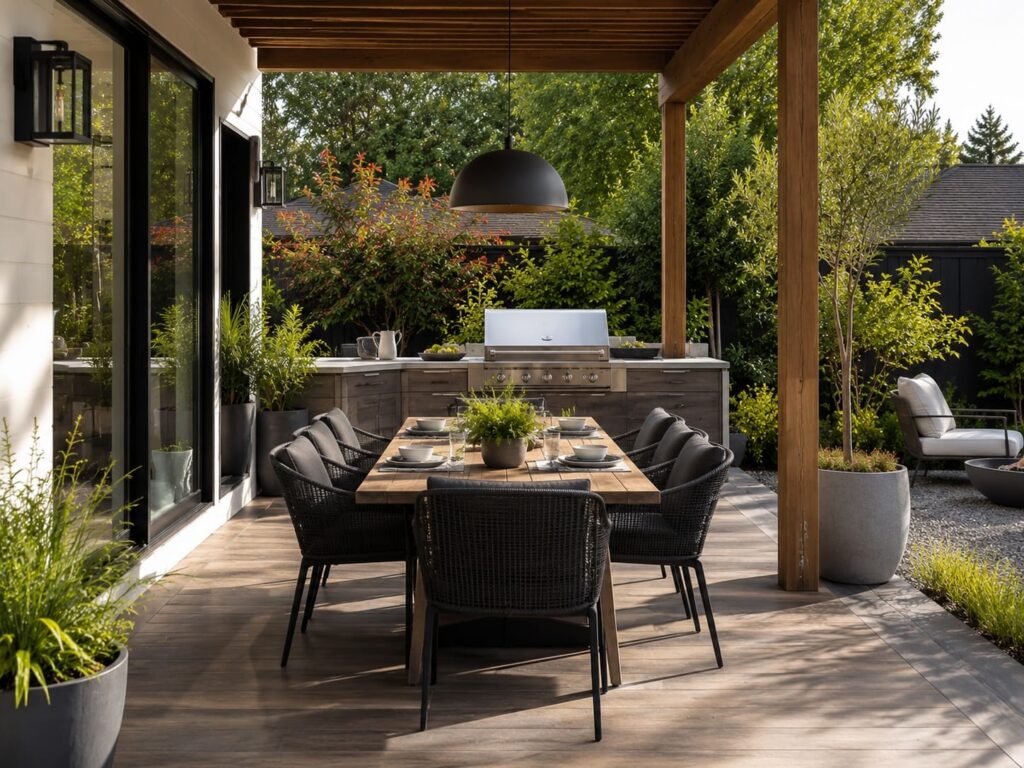
Good Shade Options to Consider
Umbrellas are flexible and budget-friendly. They work well for dining tables and small lounge areas, though they need sturdy bases and may not perform well in windy locations.
Pergolas add structure and style. On their own, they provide partial shade, but they can be paired with shade cloth, vines, retractable canopies or slatted roofs for more coverage.
Awnings are practical near the house, especially over patios and decks. Retractable options give you more control, but they require proper installation.
Trees create beautiful natural shade and help soften hardscape. The tradeoff is time, leaf drop and root considerations. Choose species carefully for your region and available space.
For many backyards, the best answer is a mix: one permanent shade feature and one flexible option, such as a pergola plus an umbrella. ☀️
🚶 Make Movement Feel Easy
An outdoor space can have nice materials and still feel uncomfortable if movement is awkward. People should be able to walk from the house to the seating area, grill, lawn and garden without squeezing through furniture or stepping off uneven edges.
Think about circulation the same way you would inside your home. You would not place a dining chair where it blocks the kitchen doorway. The same idea applies outdoors.
As a general planning habit, allow wider paths where people will carry food, drinks, cushions or gardening supplies. Keep main routes clear and avoid placing planters, chairs or firewood storage where people naturally walk.
Pick Materials That Match Your Maintenance Style
Every outdoor material needs some level of care. The trick is choosing surfaces and finishes that match how much maintenance you are realistically willing to do.
A natural wood deck can look warm and beautiful, but it may need regular cleaning and sealing depending on the material and climate. Concrete pavers are durable and versatile, but weeds may appear in joints if the base and edging are not handled well. Gravel can be charming and affordable, but it may shift under furniture legs.
Before choosing a material, think about:
- How much foot traffic the space will get.
- Whether furniture needs a flat, stable surface.
- How much rain, freeze-thaw movement or intense sun your area receives.
- Whether you are comfortable cleaning, sealing, weeding or refreshing materials over time.
There is no perfect material for every yard. The best choice is the one that fits your budget, climate, design goals and maintenance tolerance.
🌱 Use Plants to Make the Space Feel Finished
Hardscape gives an outdoor living space structure. Plants give it life.
Even a simple patio feels more inviting with greenery around it. Plants soften edges, add seasonal color, create privacy, attract pollinators and help connect the living area to the rest of the yard.
For an easygoing design, use plants in layers:
- Tall plants for privacy, screening or background structure.
- Medium shrubs and perennials for fullness and seasonal interest.
- Low plants or groundcovers near edges, paths and seating areas.
- Containers for flexibility, color and small-space impact.
Native and climate-adapted plants are often a smart choice because they tend to settle in better with local conditions once established. Still, plant performance depends on sun, soil, drainage and irrigation, so it is worth checking with a local nursery or landscape professional if you are unsure.
💡 Do Not Treat Lighting as an Afterthought
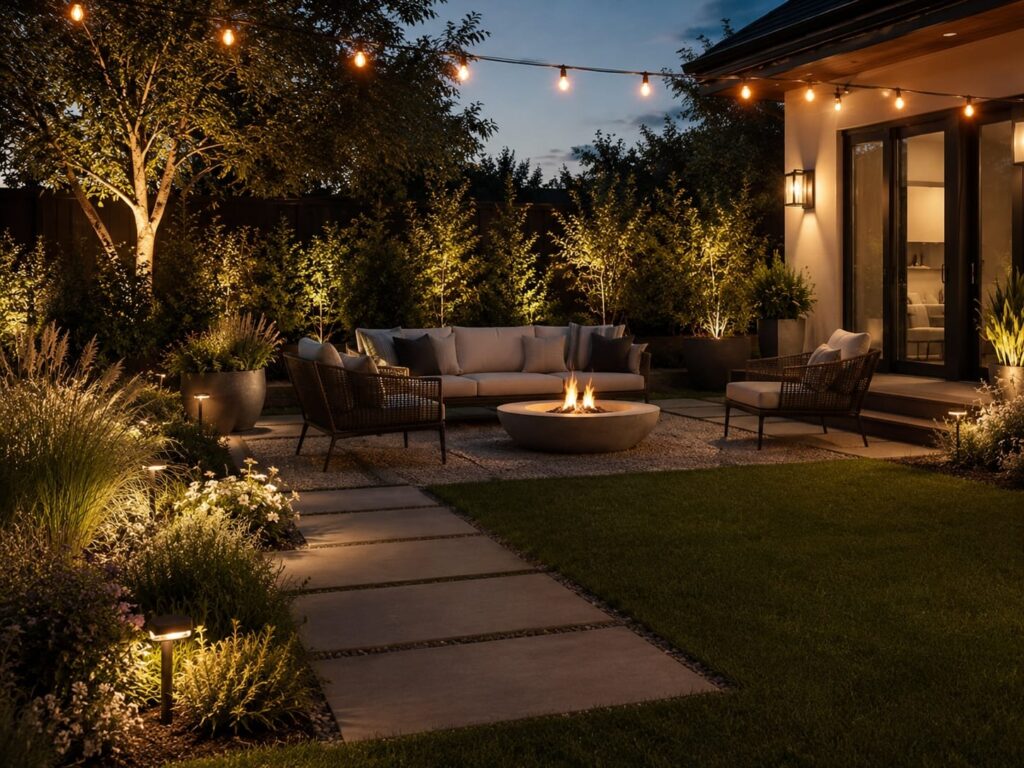
Outdoor lighting changes how a backyard feels after sunset. It can make the space safer, warmer and more usable. It also helps define zones at night, which is especially useful for patios, steps and pathways.
A good lighting plan usually includes a few layers:
Path lighting helps people move safely through the yard. Task lighting supports cooking and dining. Ambient lighting, such as string lights or lanterns, creates atmosphere. Accent lighting can highlight trees, walls or architectural details.
Avoid making the space too bright. Outdoor living should feel comfortable, not like a parking lot. Warm, low-glare lighting is usually more pleasant for patios and seating areas.
🛡️ Build Privacy Without Closing Everything In
Privacy is one of those details that can completely change how often you use your backyard. If you feel like every neighbor can see your dinner table, you probably will not relax.
That does not mean you need to build a tall fence around everything. In many cases, partial screening works better. You can block the most exposed views while keeping air, light and openness.
Consider privacy options such as:
- Horizontal or vertical privacy screens.
- Layered shrubs or small trees.
- Trellises with climbing plants.
- Planter boxes with tall grasses.
- Outdoor curtains around a pergola or covered patio.
Before adding fences, walls or large structures, check local rules, HOA guidelines and property line requirements. A little planning can prevent expensive changes later.
Choose Furniture for Real Comfort, Not Just Looks
Outdoor furniture has to work harder than indoor furniture. It deals with sun, rain, temperature swings, pollen, dust and plenty of use. Pretty pieces are nice, but comfort and durability matter more.
Before buying a set, measure your space carefully. Make sure there is room to walk around the furniture, pull chairs out and open doors. Oversized sectionals can overwhelm a small patio, while tiny bistro sets can feel lost on a large deck.
For most outdoor living spaces, it helps to choose furniture based on the main activity:
- For dining: prioritize stable chairs, enough table space and shade.
- For lounging: choose deeper seating, cushions and side tables.
- For entertaining: mix flexible chairs, benches and surfaces for drinks or snacks.
- For quiet use: a pair of comfortable chairs may be better than a large set.
Also think about storage. Cushions, pillows, covers and small accessories last longer when they are protected from harsh weather.
Plan Utilities Early
Electrical outlets, water access, drainage and gas lines are not the exciting part of outdoor design, but they can affect what is possible.
Want an outdoor kitchen? You may need plumbing, electric, gas or proper ventilation. Want string lights? You need safe power access. Want a water feature or irrigation? Plan water lines before finished hardscape goes in.
This is where professional help may be worth it. Electrical, gas, plumbing, drainage and structural work should be handled according to local codes and, in many cases, by qualified contractors. It is much easier to plan those details early than to cut into a finished patio later.
Create a Space That Can Grow Over Time
You do not have to build the perfect backyard all at once. In fact, phased planning is often smarter.
Start with the essentials: a usable surface, comfortable seating, shade and clear access. Then add layers over time, such as lighting, planting, privacy screens, storage, a fire feature or a more complete cooking area.
A phased approach helps you learn how the space actually works. You may discover that you want more shade in one corner, better lighting near the steps or a larger dining table after a full season of use.
A Backyard That Works Feels Better Every Week
The most successful outdoor living spaces are not just designed for photos. They are designed for real life.
They have a place to sit with coffee. A path that makes sense. Shade where people gather. Lighting that makes evenings feel cozy. Plants that soften the edges. Furniture that invites people to stay a little longer.
So before choosing the trendiest patio idea, slow down and think about comfort, use and flow. Your outdoor space does not need to be huge or expensive to be valuable. It just needs to support the way you want to live outside. And when it does, the backyard stops being “extra space” and starts feeling like part of the home. 🌱
❓ FAQ: Planning an Outdoor Living Space
How do I start planning an outdoor living space?
Start by deciding how you want to use the space. Dining, lounging, grilling, gardening and entertaining all require different layouts. Once you know the main purpose, you can plan zones, traffic flow, shade and furniture more confidently.
What is the most important part of outdoor living design?
Comfort is usually the most important part. A beautiful patio will not get used much if it is too hot, too exposed, poorly lit or hard to move through. Shade, seating, privacy and circulation should be planned early.
How much space do I need for an outdoor dining area?
It depends on the table size and number of chairs, but you should allow enough room for people to pull chairs back and walk around the table. A cramped dining area can make outdoor meals feel frustrating, even if the furniture fits on paper.
Should I build a deck or patio for outdoor living?
Both can work well. Decks are often useful for raised transitions from the house, sloped yards or warm wood-style designs. Patios are popular for ground-level spaces, dining areas and fire features. The best choice depends on your yard, budget, drainage and maintenance preferences.
How can I make a small backyard feel more useful?
Use smaller furniture, define clear zones and add vertical elements like wall planters, screens or trellises. In a small yard, every piece should have a purpose. Flexible seating and containers can also help the space adapt for different uses.
Do I need a professional to plan my outdoor living space?
Not always. Many simple layouts can be planned by homeowners. However, it is smart to work with qualified professionals for structural work, drainage, electrical, gas lines, large hardscape projects or anything affected by local building rules.