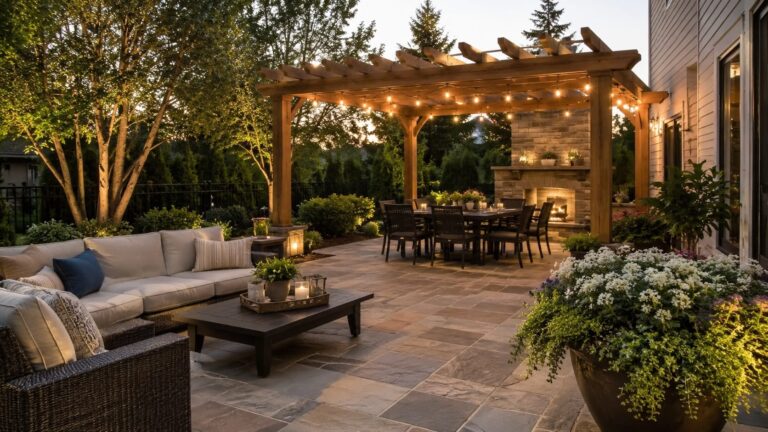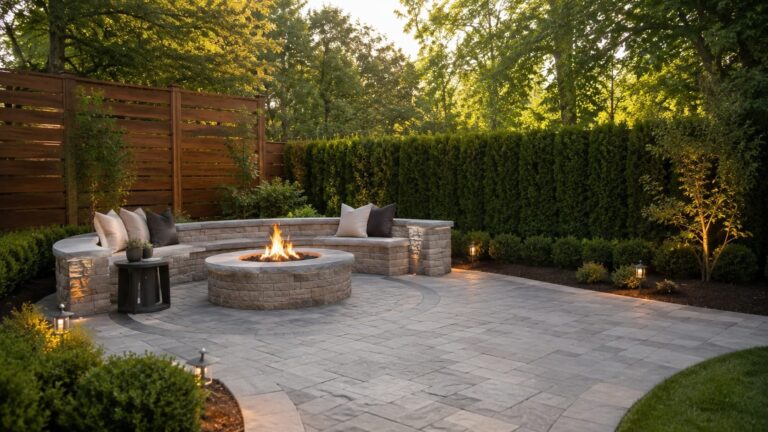
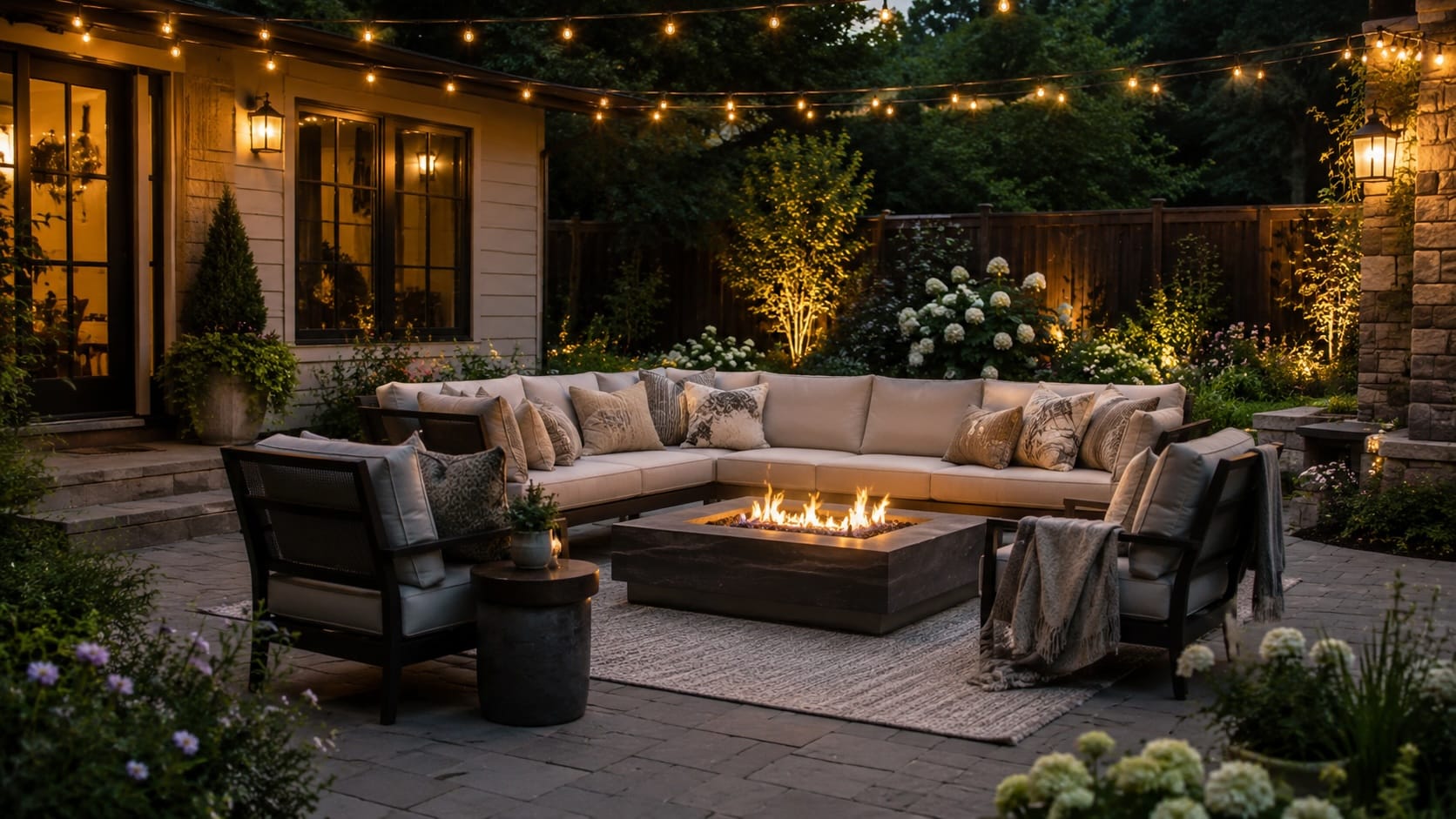
Your backyard does not need more decor, it needs a clear reason to be used. Most yards sit empty because they are missing the basics, a comfortable place to sit, a little shade, and a layout that makes people want to stay past the first drink.
The hard part is that Pinterest does not show you your lot, your budget, or your climate. A 12 by 14 foot patio that works in one yard can feel awkward in another, and a pretty setup still fails if the grill smoke blows into the seating area or the ground turns soft after rain. That is where most expensive mistakes start.
If people cannot sit, talk, eat, and move around without thinking about it, the yard will stay unused.
The good news is you do not need to fix everything at once. You need to know what will actually make your yard comfortable for real family time and weekend get-togethers, without spending money on features you will barely notice.
Start with how you actually host
Before you pick pavers, furniture, or a fire pit, get honest about how your yard gets used. A backyard for Friday night burgers is not the same as a space for birthday parties, holiday dinners, or a few neighbors dropping by after work.
Start with the real number of people you host most often. If it is usually four to six people, design for that first. If you only have one big gathering a year, do not build the whole yard around that rare event.
Think through the way people move outside. Do they carry plates from the kitchen, sit for an hour, and head back in? Or do they wander, eat, and stay late? That answer changes everything, from the size of the dining area to how close seating should be to the house. For a lot of homeowners, planning an outdoor living space starts with this kind of simple reality check.
A backyard feels comfortable when it matches your habits, not your wish list.
Use that to choose between three common setups:
- Family dinners, one table, easy access to the kitchen, and enough room for chairs to pull out.
- Casual hangouts, a mix of seating, side tables, and open space for kids or pets.
- Bigger gatherings, separate zones so food, seating, and traffic do not crowd each other.
If your yard is small, keep the layout simple and focused. A compact patio with the right seating often works better than trying to squeeze in every feature. You can find more backyard design ideas for smaller homes if your lot feels tight.
The goal is not to host every possible event. It is to build one yard that works well for the way you actually spend time outside. That is where the money starts to make sense.
Key takeaways
- Design for your most common gathering size, not the biggest party you might host once.
- Match the layout to how people move between the kitchen, seating, and open yard.
- Keep small yards simple, with one strong seating area instead of several cramped zones.
Map the yard into simple zones
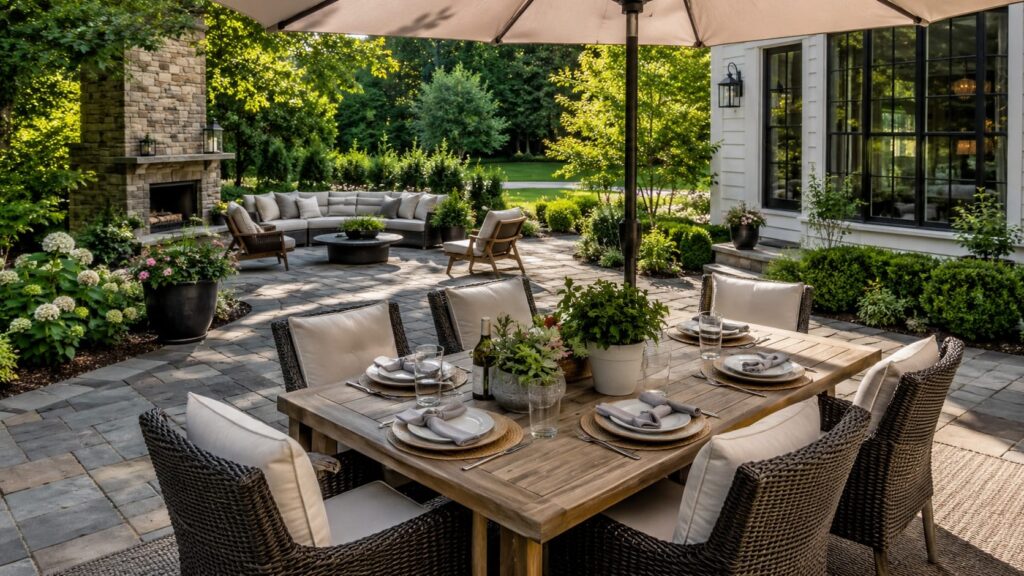
A backyard that works for guests usually has four jobs: eating, seating, cooking, and movement. If you try to make one corner do all of that, the space feels cramped fast.
Start by drawing rough boxes on paper or marking them with a hose, chalk, or tape. You do not need a perfect plan. You need to see where a table fits, where chairs can pull out, and where people can walk without cutting through the middle of the party.
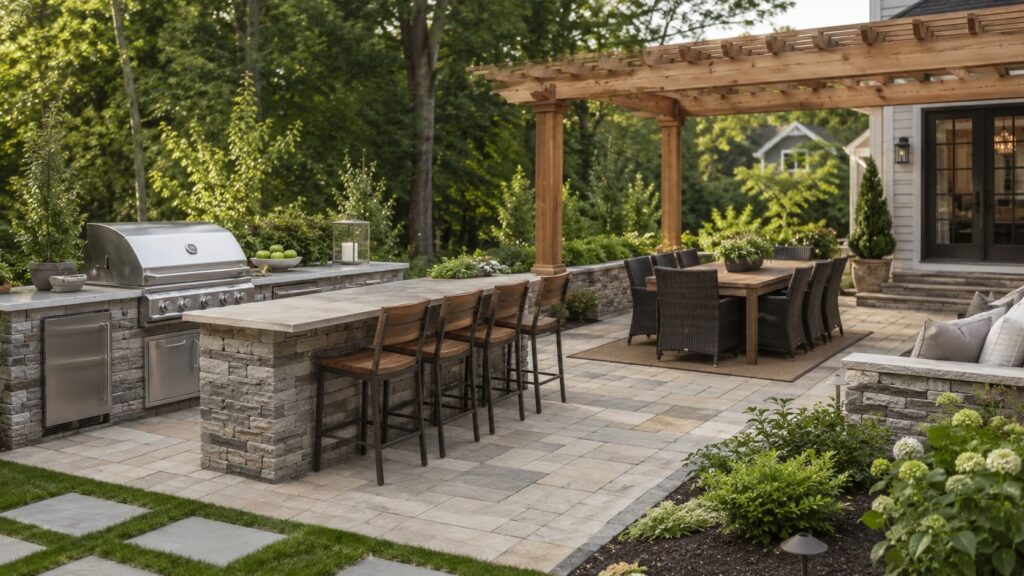
Keep the food area close to the house if possible. That cuts down on trips with trays, ice, and dirty dishes. A grill or outdoor kitchen can sit nearby, but it should not crowd the main seating area. Smoke and foot traffic get old quickly.
The sitting zone should feel like a place to linger, not a waiting room. Leave enough room for side tables, drinks, and chair legs. If you are also building a larger layout, planning an outdoor living space around these zones helps you avoid awkward gaps.
For play, keep it visible but out of the main traffic lane. A patch of grass, a clear corner, or a spot for yard games works better than forcing kids to weave through chairs. People relax faster when nobody has to dodge each other.
Think of circulation as the space between the spaces. Paths should be obvious, wide enough for two people to pass, and not blocked by planters or furniture. That part sounds small, but it is what keeps a yard from feeling messy.
A good backyard layout gives every activity a place, then leaves clean paths between them.
If your yard is tight, combine zones instead of adding more of them. One patio can handle eating and sitting. A nearby open strip can handle play. Simple usually feels better than crowded.
Choose the right hardscape first
The surface under your feet does more for comfort than pillows, lanterns, or planters ever will. If the main gathering area is uneven, muddy, too hot, or hard to clean, people will not stay long.
That is why the hardscape comes first. A good patio or deck gives you a level place for chairs, a table, and foot traffic. It also sets the budget, because the surface usually costs more than the decor around it.
Patios, decks, gravel, and pavers each solve a different problem. Concrete is usually the most budget-friendly for a large, simple patio. Pavers cost more, but they are easier to repair if one section settles. A deck helps when the yard slopes or the back door is high off the ground. Gravel can work for a relaxed seating area, but it needs edging and regular raking. If you are still sorting out the bigger layout, planning an outdoor living space can help you choose the right base before you buy furniture.
A pretty yard that drains badly is still a yard you avoid after the first hard rain.
Drainage matters more than most homeowners expect. If water already pools near the house, adding a solid surface without fixing slope can make the problem worse. In many yards, the right answer is a simple patio pitched away from the foundation, not a bigger one.
Think through maintenance too. Wood decks need sealing or staining. Pavers may need joint sand and the occasional reset. Gravel shifts under chairs. Concrete is easy to hose off, but cracks can show over time. Pick the surface you can live with for years, not the one that looks best in one photo.
- Concrete, lower cost, easy to clean, good for large flat areas.
- Pavers, higher cost, better repair options, good for a finished look.
- Deck, useful for sloped yards or raised doors, but more upkeep.
- Gravel, lower upfront cost, relaxed feel, but less stable for dining.
Once the main surface is right, the rest gets easier. Furniture fits better. Paths make sense. And you stop spending money on decor that is trying to fix a comfort problem.
| Option | Typical cost | Best for |
|---|---|---|
| Concrete patio | About $8 to $15 per square foot | Large, simple entertaining areas with low maintenance |
| Paver patio | About $15 to $30 per square foot | A finished look and easier spot repairs |
| Wood deck | About $20 to $50 per square foot | Sloped yards or raised back doors |
| Gravel seating area | About $3 to $8 per square foot | Low-cost casual spaces, as long as drainage is decent |
Make the space comfortable after dark
Most backyards feel fine in daylight and fall apart after dinner. The fix is usually not more decor. It is better light, a little shade, and places to sit that do not leave people squinting or baking in the sun.
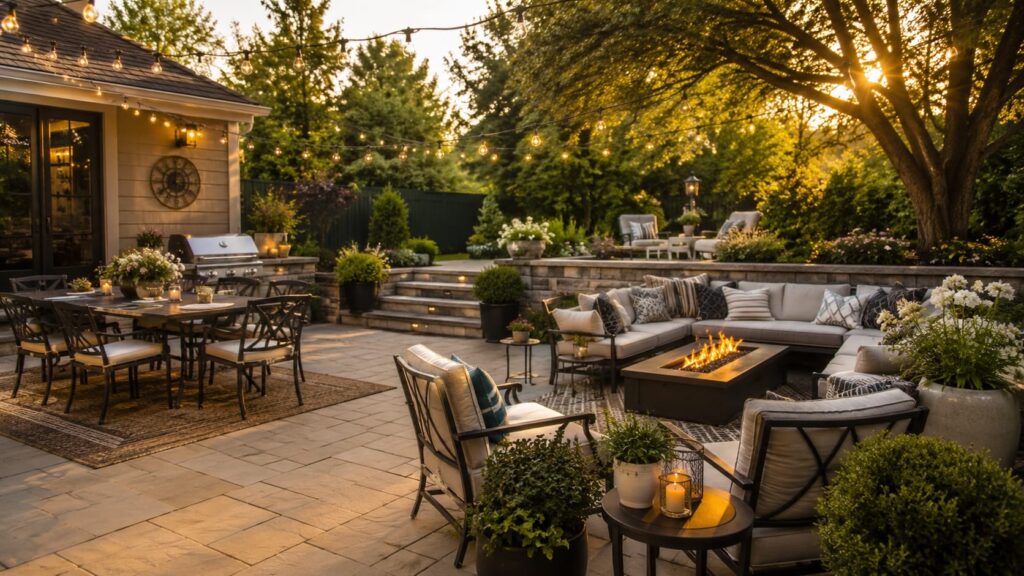
Start with layered lighting. A few path lights help people move around safely, but the main gathering area needs softer light at table height or just above head height. If the only light source is a bright floodlight, the yard feels harsh. If you are still sorting the bigger plan, planning an outdoor living space can help you place light where people actually gather.
Shade matters just as much in the evening, because a patio that gets blasted all afternoon stays hot long after the sun drops. A pergola, umbrella, or even a well-placed tree can make a seating area usable longer. In hot regions, that is often the difference between a patio people admire and one people avoid.
Comfortable seating should be easy to get in and out of, with enough room to set down a drink. Leave a little space behind chairs so people are not squeezed against a wall or railing. If your yard gets wind, use planters, a privacy screen, or a fence section to break it up. You do not need to block every breeze, just the annoying gusts that knock napkins around.
Heat sources help, but they should support the space, not carry it. A fire pit or patio heater can stretch the season in many parts of the U.S., especially in spring and fall. Check local rules first, because some HOAs and towns limit open flame, fuel type, or placement near property lines.
A patio feels finished when people can sit down, stay warm enough, and see each other without harsh glare.
From the field
The yards that get used every week usually solve three things first, shade, seating, and how far the whole setup sits from the kitchen door. People often spend money on chairs and lanterns before they check where the afternoon sun lands. That is how a nice-looking patio ends up empty from late spring through summer. If the route from the house is short and the seating stays comfortable, the space starts working much faster.
Keep it family friendly without clutter
A good entertaining yard does not need five zones and a pile of matching decor. It needs room for people to move, sit, and set things down without tripping over each other. That matters even more when kids, pets, and adults are using the space at the same time.
Start with one clear gathering area, then leave open edges for play. A 12 by 14 foot patio can handle a small table, a grill, and a couple of chairs. If the whole yard is packed with furniture, nobody has a place to toss a ball or let the dog out without weaving around obstacles.
Keep the center open and push the extras to the perimeter. A bench along a fence, a storage box for toys, and a side table near the grill do more for daily use than a dozen small accents. If you need help deciding what belongs where, planning an outdoor living space can keep the layout practical.
- Use one or two durable surfaces, not a mix of materials that create busy transitions.
- Choose furniture with rounded edges and enough weight to stay put in wind.
- Pick storage that closes, so toys, cushions, and pet gear are not always in sight.
- Leave a clear path from the back door to the seating area.
Kids need a place to land, and adults need a place to relax. Those needs can share the same yard if you keep the layout simple. A low lawn section, a small patch of mulch, or even a corner with turf can give children a place to play without turning the whole yard into a playground. That is usually cheaper than building more hardscape.
Pets add one more layer. Plan for a water bowl, a wash-off spot near the door, and fencing that keeps the useful part of the yard from turning into a runaround zone. If you are working with a tight lot, backyard design ideas for smaller homes can help you make the most of limited square footage.
The best family yard is easy to clean, easy to cross, and easy to use again the next day.
That is the real test. If setup takes all afternoon or cleanup takes an hour, the space will get used less, no matter how good it looks on paper.
What should you fix first?
Start with the part that makes the yard usable, not the part that looks best in a photo. For most homes, that means a flat place to sit, a clear path from the back door, and basic shade or cover. If people cannot walk out, sit down, and stay comfortable, nothing else matters much.
That is why small projects often beat big ones. A 12 by 14 foot patio, a simple gravel pad, or a level paver area can give you more real use than a bigger plan that sits unfinished for a year. Half a good yard gets used more than a perfect yard on paper.
Before you spend, check three things: drainage, sun, and access. If water pools after rain, fix that first. If the afternoon sun is brutal, add shade before buying furniture. If carrying food and drinks from the kitchen is awkward, shorten that route. Those fixes keep the space from feeling like work.
The order matters. Solve comfort and access first, then add the features that make the yard feel finished.
Budget should follow the same logic. Many homeowners do better spending a few thousand dollars on one usable zone than spreading money across lights, decor, and plants that do not change how the yard functions. If your lot is small, that first zone may be all you need for a while. If you have more room, add the next piece later.
Permits and HOA rules come before construction, not after. Some towns require permits for patios, decks, gas lines, electrical work, fences, and fire features. HOAs may limit height, placement, materials, or open flame. A quick check now can save you from tearing out work later.
How much should you budget first?
Set the budget around one usable zone, then leave room for the parts people forget, like site prep, drainage fixes, and delivery. For many homeowners, that means starting in the low thousands for a simple setup and moving higher if you add hardscape, lighting, or built-in features. Do not stretch for extras before the base is solid.
Do you need a permit for a backyard entertaining area?
Sometimes, yes. Simple furniture and planters usually do not need one, but patios, decks, electrical work, gas lines, retaining walls, and some fences often do. Rules vary by city and county, so check with your local building department before you build. That step is boring, but it keeps the project clean.
What if your backyard is small?
Use one main gathering area and keep the rest open. A compact patio with a small table, a grill, and two or four chairs can work well if the layout stays simple. Small yards feel bigger when you avoid crowding the edges with extra furniture and decor.
Should you finish the whole yard at once?
No, not if that means waiting too long or overspending. A phased plan is usually smarter. Start with the area you will use most, then add seating, shade, lighting, or planting later. That way you learn how the space behaves before you commit to the next round of work.
What ruins an entertaining yard the fastest?
Poor drainage, bad sun exposure, and a layout that makes people squeeze past each other. Those problems make a yard feel uncomfortable even when it looks nice. If you fix the path, the surface, and the shade first, the rest of the design has a better chance of working day to day.