A healthy lawn rarely happens by accident. One week it looks green and soft, then suddenly there are brown patches, weeds along the driveway, and a mower that seems to leave more problems than solutions. Sound familiar?
The good news is that lawn care does not have to be complicated. For most homeowners, the biggest improvements come from a few consistent habits: mowing at the right height, watering deeply, feeding the soil, controlling weeds early, and paying attention to the seasons. You do not need a perfect golf-course lawn. You need a yard that looks cared for, handles foot traffic, and fits your climate and schedule. 🌱
Quick Summary
A great lawn starts with simple, repeatable care. Focus on mowing properly, watering less often but more deeply, improving soil health, and adjusting your routine by season.
- Mow smart: avoid cutting too short, and keep mower blades sharp.
- Water wisely: deep watering encourages stronger roots than frequent light sprinkling.
- Think seasonally: spring, summer, fall, and winter all require different lawn care priorities.
🌿 Start With the Basics: What Your Lawn Actually Needs
Before buying fertilizer, seed, weed killer, or another gadget from the garden center, it helps to understand what grass is trying to do. A lawn is a living plant system. It needs sunlight, air, water, nutrients, and room for roots to grow.
Most lawn problems come from one of four things: poor mowing habits, compacted soil, inconsistent watering, or using the wrong products at the wrong time. Sometimes the problem is also simple: the grass type may not be well suited to your region. Cool-season grasses, such as Kentucky bluegrass, tall fescue, and perennial ryegrass, behave differently than warm-season grasses like Bermuda, zoysia, and St. Augustine.
That is why lawn care advice should never be one-size-fits-all. Your climate, shade level, soil type, irrigation access, and local rules all matter. Still, the principles below apply to most American homeowners.
✂️ Mowing: The Habit That Makes or Breaks a Lawn
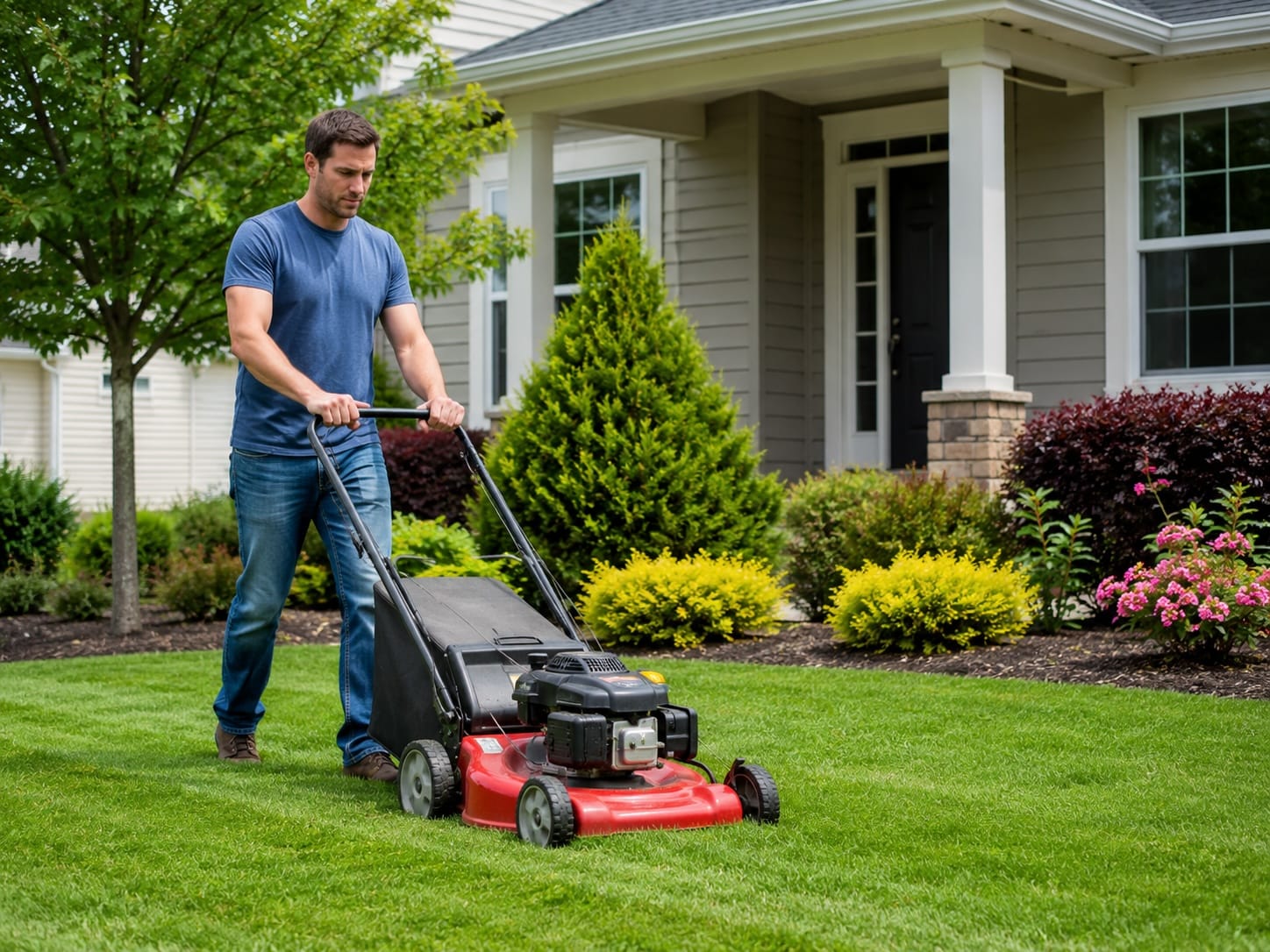
Mowing seems simple, but it has a huge effect on lawn health. Cutting grass too short weakens the plant, exposes soil to sunlight, and makes it easier for weeds to move in. Taller grass usually develops deeper roots, shades the soil, and holds moisture better.
For many lawns, a mowing height of around 3 to 4 inches works well, especially for cool-season grasses. Some warm-season grasses are maintained lower, but they still should not be scalped unless your lawn type and season call for it.
Simple mowing rules to follow
- Never remove more than one-third of the grass blade in a single mowing.
- Keep mower blades sharp so grass is cut cleanly instead of torn.
- Change mowing direction occasionally to reduce ruts and leaning grass.
- Leave grass clippings when they are light and evenly spread. They return nutrients to the soil.
If your mower leaves clumps, you may be mowing when the grass is too wet or waiting too long between cuts. Either way, rake up heavy clumps so they do not smother the grass underneath.
💧 Watering: Less Often, More Deeply
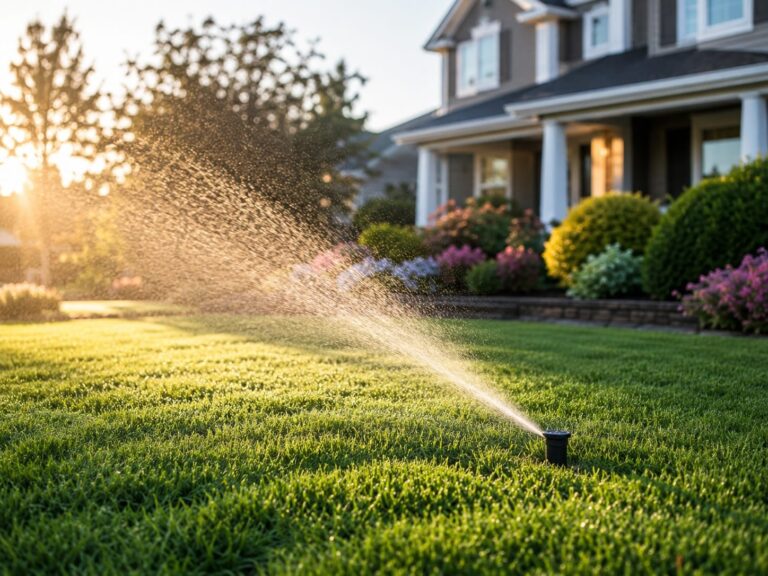
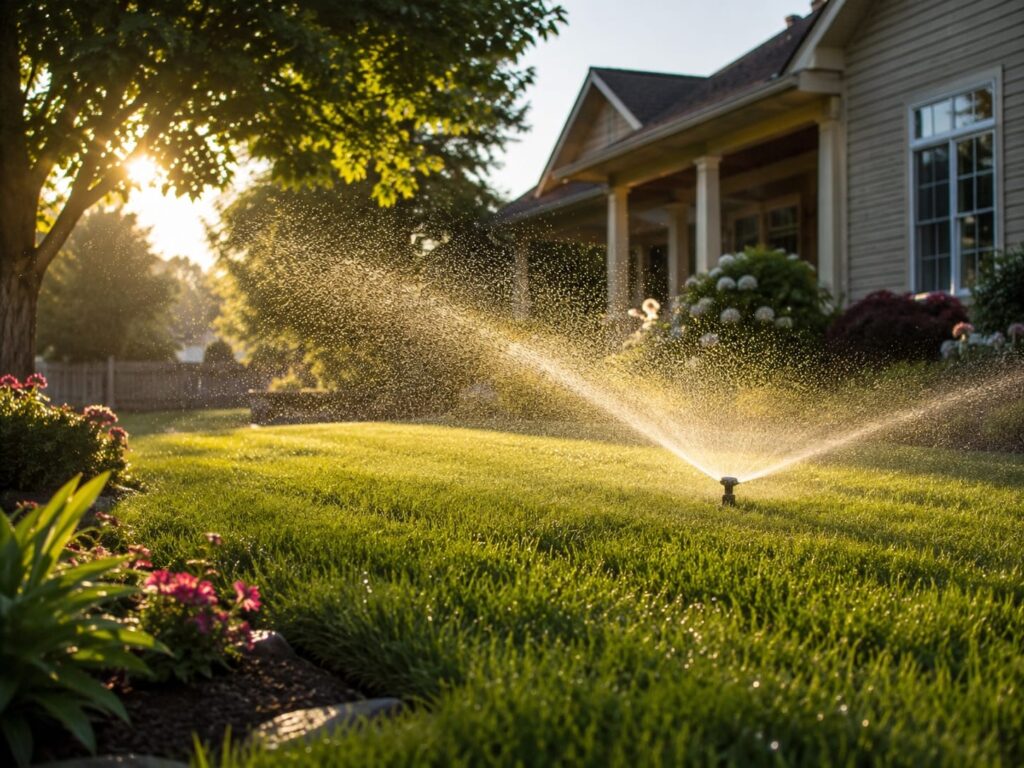
Many homeowners water too often and too lightly. A quick sprinkle may make the lawn look refreshed for a moment, but it encourages shallow roots. Shallow roots struggle during heat, drought, and heavy foot traffic.
In many cases, lawns do better with deep watering once or twice a week, depending on rainfall, soil, grass type, and local watering restrictions. The goal is to moisten the root zone, not just dampen the surface.
Early morning is usually the best time to water. It gives the lawn moisture before the heat of the day while allowing grass blades to dry. Evening watering can sometimes encourage fungal issues because the lawn stays wet overnight.
🌾 Fertilizing: Feed the Soil, Not Just the Grass
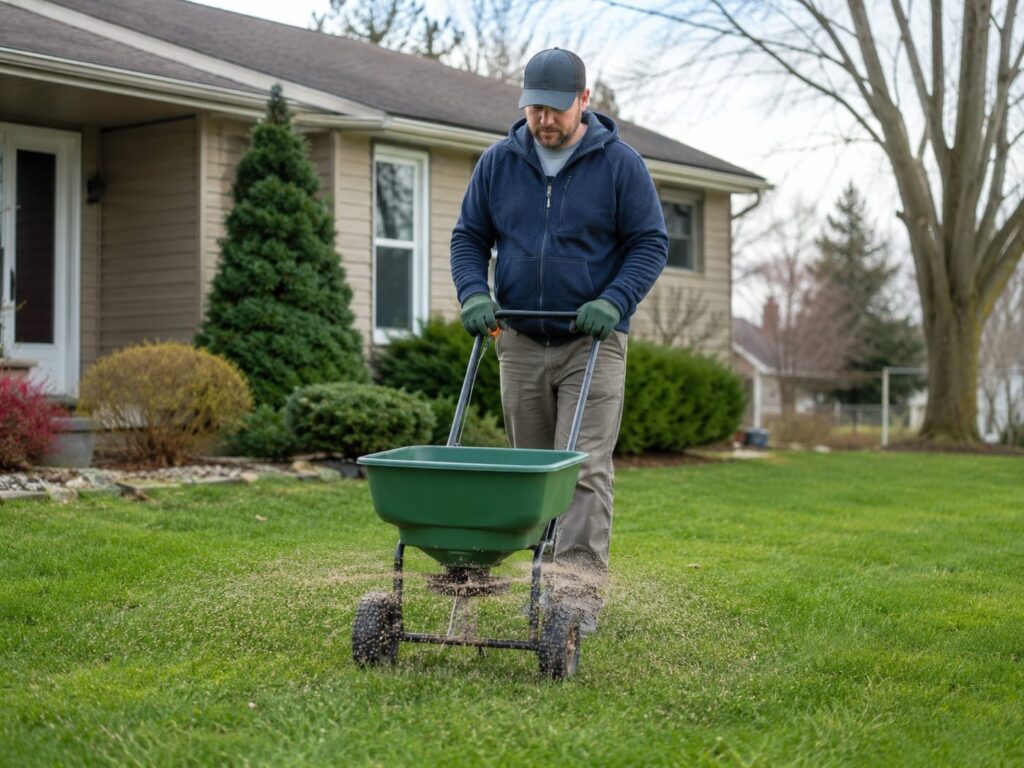
Fertilizer can help a lawn grow thicker and greener, but more is not always better. Too much fertilizer can burn grass, increase mowing demands, contribute to runoff, and create weak growth that struggles under stress.
For the best results, start with a soil test. Many county extension offices and private labs offer affordable testing. A soil test can tell you your pH and nutrient levels, which helps you avoid guessing.
Most lawns benefit from nitrogen, but the timing depends on grass type. Cool-season lawns usually respond well to fall feeding. Warm-season lawns are typically fertilized during active growth in late spring and summer. Always read product labels carefully and follow local rules, especially near waterways.
🧪 Lawn Care Tasks by Season
Your lawn changes throughout the year, so your care routine should change too. The table below gives a practical seasonal overview for most homeowners.
| Season | Main Goal | Helpful Tasks | Common Mistake |
|---|---|---|---|
| Spring | Wake up the lawn gently | Light cleanup, soil test, pre-emergent weed control, begin mowing as needed | Fertilizing too heavily too early |
| Summer | Reduce stress | Mow higher, water deeply, limit heavy traffic during heat | Scalping the lawn during hot weather |
| Fall | Repair and strengthen roots | Aerate if needed, overseed cool-season lawns, fertilize appropriately | Waiting too late to seed before frost |
| Winter | Protect dormant grass | Keep heavy debris off the lawn, reduce foot traffic on frozen turf | Ignoring leaves that mat down and smother grass |
🌱 Overseeding and Bare Patch Repair
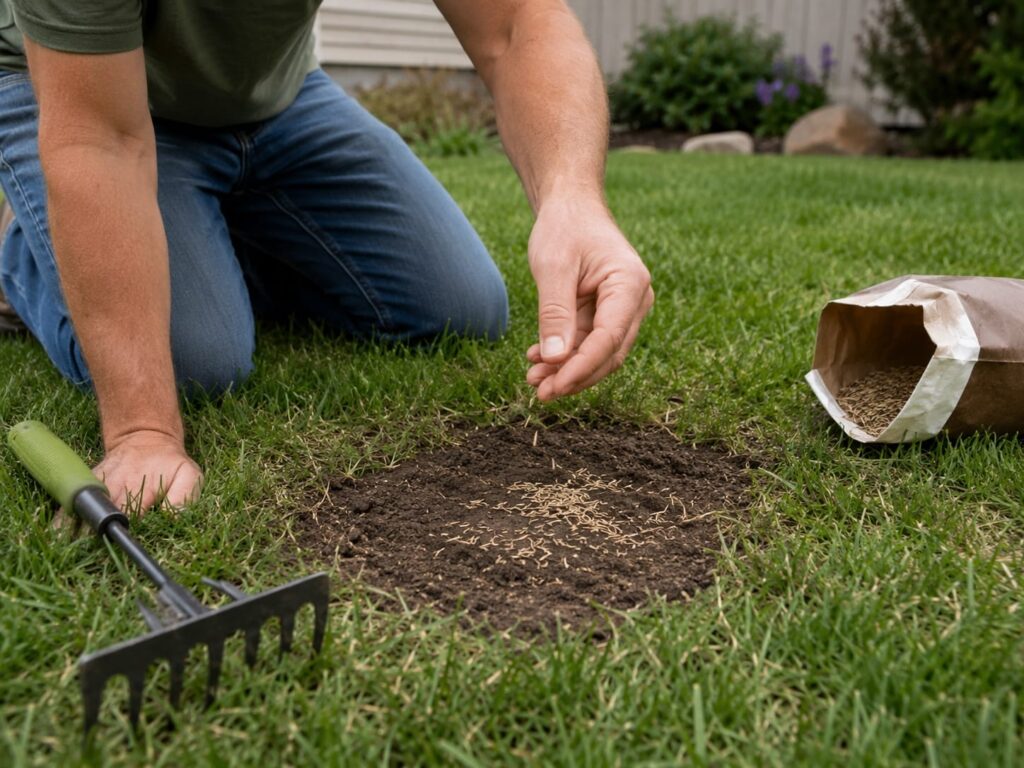
Bare spots can happen for many reasons: pet urine, foot traffic, drought stress, insects, disease, poor soil, or shade. Before tossing seed everywhere, try to understand why the area failed. If the problem is deep shade, for example, simply reseeding with sun-loving grass may not work.
For small patches, loosen the top layer of soil, remove dead grass, add a thin layer of compost or quality topsoil, spread seed, lightly rake it in, and keep the area consistently moist until germination. Do not bury seed too deeply. Most grass seed needs good soil contact and light coverage.
For thin lawns, overseeding can improve density. Fall is often ideal for cool-season lawns because temperatures are milder and weed pressure is lower. Warm-season lawns may be repaired during active growth, depending on the grass type.
🛠️ Aeration: When Your Soil Feels Like Concrete
Compacted soil makes it hard for air, water, and nutrients to reach grass roots. This is common in yards with kids, pets, frequent entertaining, clay soil, or heavy equipment traffic.
Core aeration removes small plugs of soil from the lawn, creating space for roots to breathe and grow. It can be especially helpful before overseeding because seed has better access to soil.
Not every lawn needs aeration every year. A simple screwdriver test can help: if it is difficult to push a screwdriver into moist soil, compaction may be an issue. For many cool-season lawns, fall is a good time to aerate. For warm-season lawns, aeration is often done during active growth.
🚫 Weed Control Without Panic
A few weeds do not mean your lawn is ruined. Weeds are often a sign that grass is thin, soil is exposed, or mowing and watering habits need adjustment. The best long-term weed control is a dense, healthy lawn.
Pre-emergent products can help prevent certain annual weeds, such as crabgrass, before they germinate. Post-emergent products target weeds that are already growing. Use caution, though. The wrong product can damage desirable grass, nearby plants, or newly seeded areas.
For isolated weeds, hand-pulling can work well, especially after rain when soil is soft. Try to remove the root, not just the leaves. For larger weed problems, identify the weed first. Broadleaf weeds, grassy weeds, and sedges often require different approaches.
🐛 Pests, Disease, and Brown Spots
Brown spots can be frustrating because they all look similar at first glance. But the cause could be drought, grubs, fungal disease, dog urine, dull mower blades, chemical burn, or compacted soil.
Before treating, inspect the area. Is the soil dry? Does the grass pull up like loose carpet? Are there visible insects? Did the patch appear after fertilizing or spraying? Has the weather been hot and humid?
Avoid applying insecticides or fungicides “just in case.” It is better to identify the problem first. If the damage is spreading quickly or you are unsure, local extension services or a qualified lawn care professional can help diagnose the issue.
🏡 Lawn Care for Busy Homeowners
You do not need a complicated weekend routine to keep your lawn in decent shape. Consistency matters more than perfection.
A simple monthly lawn checklist
- Check mowing height and adjust for the season.
- Look for early signs of weeds, pests, thinning, or disease.
- Inspect irrigation for dry spots, broken heads, or runoff.
- Clear debris like leaves, branches, and heavy toys.
- Walk the lawn after rain to notice drainage or compaction problems.
This simple walk-through can save you from bigger repairs later. A lawn usually gives warning signs before it declines badly. You just have to notice them early. 👀
🌤️ Adjusting Lawn Care to Your Yard
A sunny front yard and a shady backyard may need completely different care. Grass under trees often competes with roots for water and nutrients. It may also receive less sunlight than turf needs to stay thick.
In areas where grass struggles year after year, consider alternatives. Mulch beds, groundcovers, stepping stones, native plantings, or a small patio may be more attractive and lower maintenance than forcing grass to grow in the wrong place.
Drainage also matters. If water pools after every storm, the lawn may thin out or develop disease problems. In that case, grading, French drains, rain gardens, or soil improvement may be worth exploring. For major drainage work, it is smart to consult a qualified landscaping or drainage professional.
✅ A Lawn That Fits Real Life
The best lawn care plan is one you can actually maintain. A perfectly striped, weed-free lawn may look great online, but most homeowners simply want grass that is green, usable, and not embarrassing when neighbors walk by.
Start with the fundamentals: mow high enough, water deeply, build healthier soil, seed at the right time, and solve problems before buying products. Over time, these habits make your lawn thicker, stronger, and easier to manage.
And remember: your lawn is part of a larger outdoor space. It should support the way you live, whether that means backyard games, quiet mornings with coffee, pets running around, or a clean front yard that boosts curb appeal. 🌿
❓ FAQ: Practical Lawn Care Questions
How often should I mow my lawn?
Mow based on growth, not a fixed calendar. During peak growing season, that may mean once a week. During heat, drought, or dormancy, you may mow less often. Try not to remove more than one-third of the grass blade at a time.
What is the best time of day to water grass?
Early morning is usually best. It reduces evaporation and gives grass blades time to dry during the day, which may lower the risk of some fungal problems.
Should I bag grass clippings?
In most cases, no. Light clippings can be left on the lawn because they break down and return nutrients to the soil. Bag clippings if they are wet, heavy, diseased, or forming thick clumps.
When should I overseed my lawn?
For cool-season lawns, early fall is often a good time because temperatures are milder and soil is still warm. Warm-season lawns are usually repaired or established during active growth. Timing may depend on your region and grass type.
Why does my lawn have brown patches?
Brown patches can come from drought, pests, disease, pet urine, dull mower blades, fertilizer burn, or compacted soil. Check soil moisture, recent treatments, weather, and whether the grass pulls up easily before choosing a treatment.