Your fall lawn care is probably inconsistent because the advice is inconsistent, and a lot of it is wrong for your yard. One neighbor says to seed now. The store says feed it. A video says cut it short. The result is wasted money, patchy grass, and a lawn that still looks tired next spring.
Fall is the season that decides how your yard comes back. The goal is not to do everything. It is to do the few jobs that actually help grass recover before cold weather slows it down. That means knowing what matters in your climate, your soil, and your budget. A yard in USDA Zone 5 does not need the same timing as one in Zone 8, and a clay lot needs different care than sandy ground.
Most fall lawn problems come from doing too much, too late, or for the wrong reason.
The fix is simpler than the noise makes it sound. You want the right basics, done at the right time, without buying products you do not need or doing work that actually sets the lawn back.
The fall tasks that matter most
Start with the jobs that help grass store energy and cover bare spots before winter. If you try to do everything, you usually spend more and get less. A good fall plan is simple: clean up, feed, seed if needed, and mow correctly.
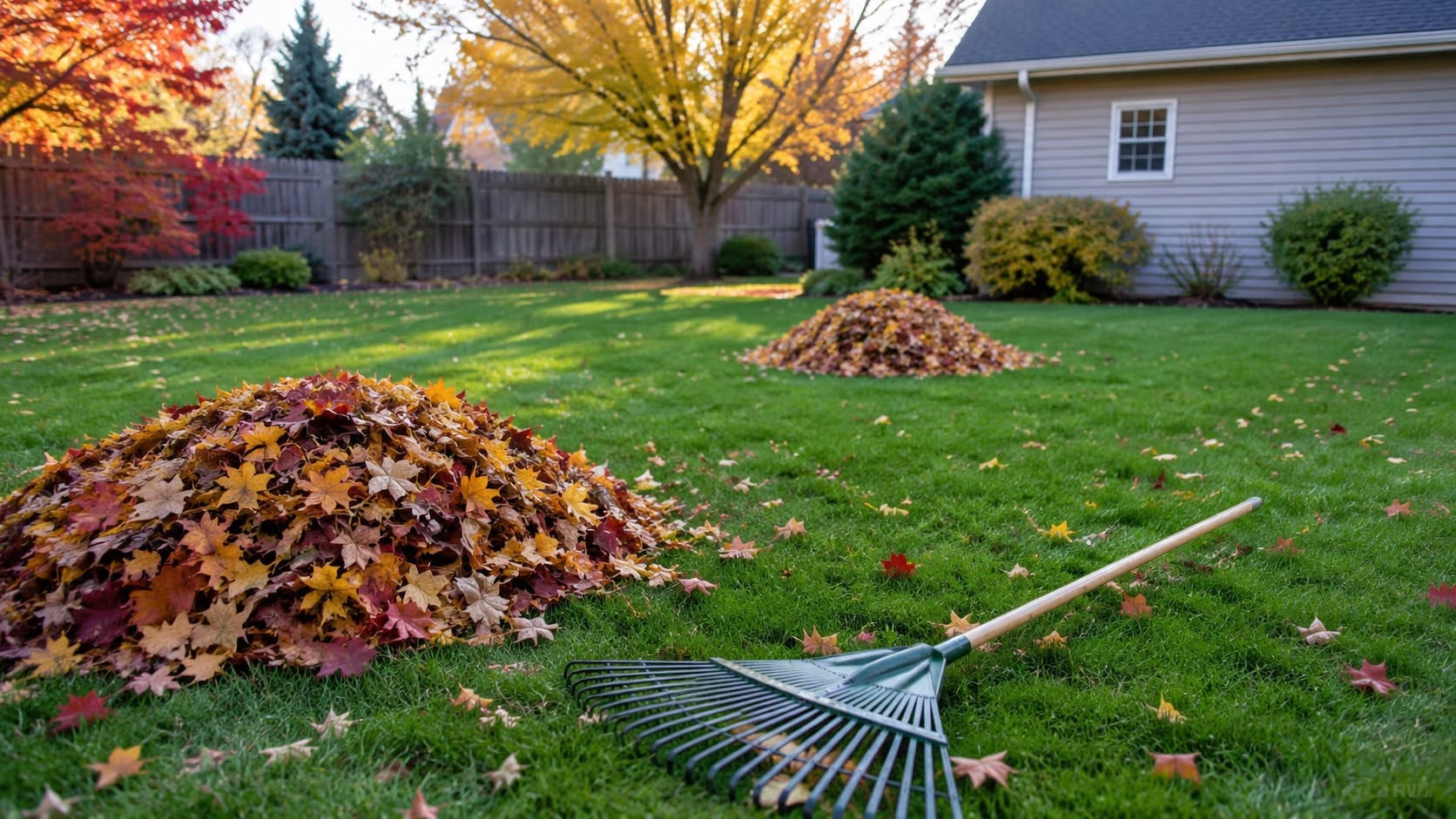
First, clear leaves before they mat down. A light layer is fine for a day or two, but thick leaf cover blocks sun and traps moisture. That leads to thin grass and, in some yards, disease. Bagging is not always necessary, but the lawn should not disappear under leaves.
Next, use a fertilizer that matches your lawn type and your local timing. Fall feeding helps roots more than a summer push does. Skip the urge to keep feeding every few weeks. More product is not more progress. If your soil is compacted or your lawn is thin in patches, pair feeding with a practical lawn care routine instead of random fixes.
The best fall work is the kind that helps roots, not the kind that makes the lawn look busy for one weekend.
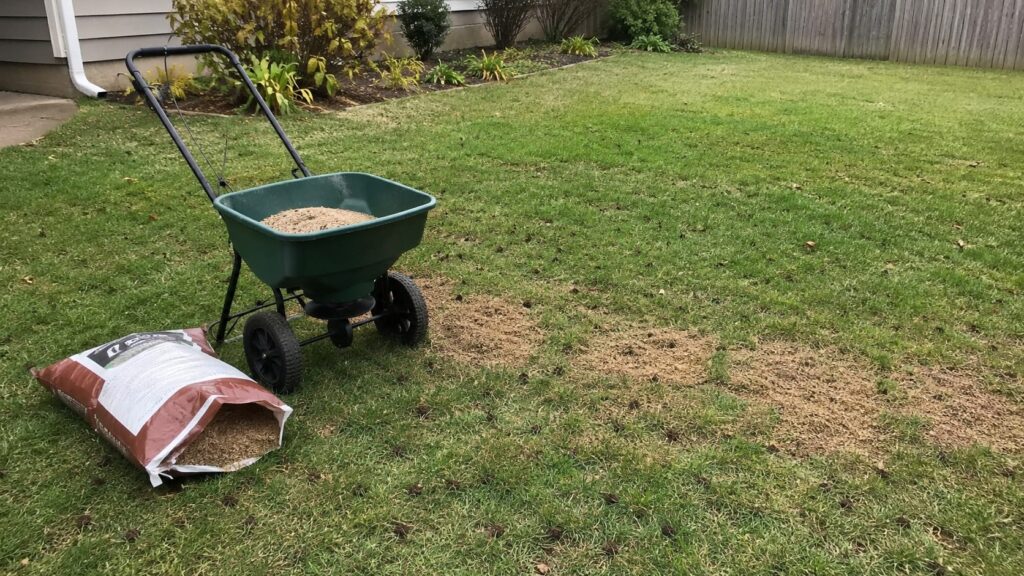
If you have bare spots, overseed early enough for the grass to sprout and settle before hard frost. In many parts of the U.S., that window is short. Seed thrown down too late is usually seed wasted. Water lightly and keep the top inch of soil from drying out.
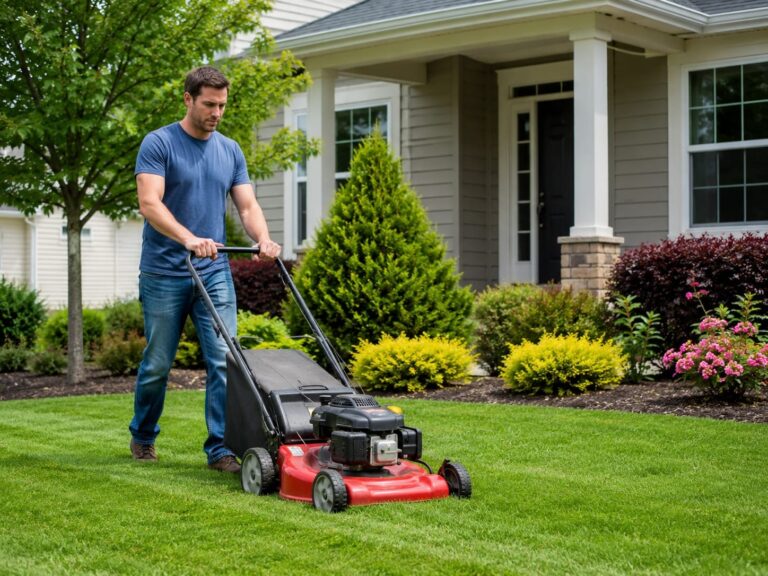
Mowing still matters, but do not scalp the lawn. Keep the blade sharp and follow how often to mow based on growth, not the calendar. Cutting too short weakens grass right when it needs leaf surface to store energy. Short grass is not the same thing as healthy grass.
Hold off on expensive extras unless you have a clear problem. Most yards do not need a pile of specialty products. They need the basics done on time, with enough water to help the work stick.
Key takeaways
- Remove leaf buildup before it mats down and blocks light, air, and moisture control.
- Feed once in fall with the right fertilizer, then stop chasing extra product.
- Overseed bare areas early enough for roots to establish before the first hard frost.
What to do, skip, or save for later
Not every fall task deserves your time or money. Some jobs pay off fast. Some help only if your lawn has a clear problem. A few can backfire if you do them at the wrong time or on the wrong grass type.
Topdressing with compost can help thin soil over time, but it is rarely a quick fix. It makes sense on compacted or tired lawns with room to improve soil structure. On a healthy yard, it can be overkill, and spreading too much can smother grass.
Aeration is worth considering if your soil is hard as a driveway, water sits after rain, or the lawn gets heavy foot traffic. It is less useful on loose, sandy ground. If you rent a machine, do it when the soil is slightly moist, not bone dry. If you are only poking holes because a neighbor swears by it, save the rental fee.
A fall lawn job is worth doing when it fixes a real problem, not when it just makes the yard look worked on.
Here is the short version:
- Do now: leaf cleanup, fall feeding, mowing at the right height, light overseeding where bare spots are real.
- Do only if needed: aeration, topdressing, soil testing, spot weed control.
- Save for later: major grading, full lawn renovation, heavy dethatching, anything that needs warm soil and steady growth.
A practical lawn care routine helps more than chasing every seasonal trend. The same goes for mowing. If the grass is still growing, keep up with how often to mow so you are not stressing it right before dormancy.
One more filter helps. If a task costs more than the problem it solves, or if it needs perfect timing you cannot control, it probably belongs in the “later” pile. That is where a lot of wasted lawn money goes.
| Option | Typical cost | Best for |
|---|---|---|
| Leaf cleanup | $0 to $50 if you already own a rake or blower | Preventing smothered grass and wet mats |
| Fall fertilizer | $20 to $60 for a typical home yard | Lawns that need root support before winter |
| Aeration | $75 to $250, or rental costs if you do it yourself | Compacted soil and heavy-traffic areas |
| Overseeding | $30 to $100 for seed on a small to medium yard | Bare patches and thin turf with enough warm weeks left |
| Dethatching | $100 to $300 if hired out | Lawns with a true thatch layer, not just leftover clippings |
A practical fall lawn care schedule
Fall works best when you stop trying to do everything at once. A simple schedule keeps the yard moving in the right direction without wasting money or stressing the grass.
Early fall is the time for cleanup, mowing, and any real repair work. Keep removing leaves before they mat down. Mow based on growth, not the calendar, and keep the blade high enough that the grass can still make food for the roots. If you have thin spots, overseed while the soil still holds some warmth.
If your yard has compacted soil or water puddles after rain, aeration belongs in this window too. It helps roots get air and water where they need to go. If your soil is already loose, skip it. No one gets extra points for renting a machine just because it was available.
Mid fall is usually the best time for fertilizer on cool-season grass. Use a fall product with a lower nitrogen rush than summer feed, then water it in lightly. If you overseeded earlier, keep the seedbed damp until the new grass is established. That usually means short, frequent watering instead of one heavy soak.
By late fall, the goal shifts to protection, not growth. Keep mowing only if the grass is still growing. Stop watering once the lawn goes dormant and the soil is staying cool and damp on its own. If leaves keep dropping, keep clearing them. A thin layer of leaves is one thing. A wet blanket is another.
A good fall lawn schedule is mostly about timing. Do the right work while the grass can still use it, then get out of the way.
If you want a fuller overview of the basics, start with a practical lawn care routine. If you are still unsure about mowing pace, match it to growth and check how often to mow so you are not cutting too much right before dormancy.
- Early fall: leaf cleanup, mowing, overseeding, aeration if needed.
- Mid fall: fall fertilizer and steady watering for new seed.
- Late fall: keep leaves off, mow only if needed, then let the lawn wind down.
That sequence is simple on purpose. Most yards do better with a few well-timed steps than with a cart full of products and crossed fingers.
Where timing and local conditions change the plan
Fall lawn care is not one-size-fits-all. A yard in Minnesota, a yard in North Carolina, and a yard in coastal Oregon do not cool down at the same pace, and the first frost can show up weeks apart.
That is why grass type matters. Cool-season lawns usually get their best repair window in early to mid fall, while warm-season lawns often need their last major work earlier, before cooler nights slow them down. If you are not sure which you have, check your seed bag, old install records, or the way the lawn behaves in summer and winter.
USDA zone and frost timing matter too. In a shorter growing season, you may need to finish overseeding and fertilizing sooner. In a milder zone, you may have more room to stretch the schedule, but that does not mean you should keep pushing growth right up to winter. The calendar is a rough guide, not a command.
HOA rules can change the order as well. Some neighborhoods care about bagged leaves at the curb, mowing height, or when equipment can run on weekends. If your association has rules, work around them before you rent tools or plan a big cleanup day.
A lawn that looks “late” on a calendar may still be right on time for your zone, your grass, and your first hard frost.
That is the real field test. If you want a broader baseline for the season, start with a practical lawn care routine, then adjust it to your climate instead of forcing your yard into someone else’s schedule.
From the field
Most lawn trouble starts with the basics getting out of balance. I see homeowners chase fertilizer, seed, and sprays while the grass is still being cut too low or watered too often at the surface. A lawn that gets clipped hard every week never has much reserve to carry into cold weather. Deep, steady watering and the right cutting height usually fix more than another bag of product ever will.
Common mistakes that waste time and money
The biggest fall lawn mistakes are usually simple. They just happen fast, and they feel productive while they are making the yard worse.
Overwatering is a common one. Cooler weather slows evaporation, so the soil stays wet longer. If you keep watering like it is July, roots stay shallow and fungus gets a better chance to move in. Most lawns need less water in fall, not more.
Cutting too short is another costly habit. A tight mow may look neat for a day, but it leaves less leaf surface to feed the roots. That matters when the grass is trying to store energy for winter. Keep the mower set higher, and follow how often to mow so you are not taking off too much at once.
Fertilizer timing can also go wrong. Feeding too late can push tender growth right before cold weather. Feeding too early can waste money if the lawn is still stressed from heat or drought. A fall feeding should support recovery, not force a flush of soft top growth.
Seed is another spot where people burn time. Throwing it down on hard soil, thick thatch, or a layer of leaves does not solve much. Seed needs contact with soil, steady moisture, and a little protection from drying out. Broadcasting seed over a mess is usually just feeding the birds.
If a fall task does not help the grass store energy, root deeper, or recover from summer stress, it is probably just busywork.
- Water less often, but only when the lawn actually needs it.
- Keep mowing height up instead of scalping for a cleaner look.
- Use fall fertilizer on the right schedule for your grass type.
- Prep bare spots before seeding so the seed has a chance to take.
A simple routine from a practical lawn care routine will usually beat a cart full of extra products. The lawn does not need more noise. It needs the basics done in the right order.
Fall lawn care questions homeowners ask
Most fall lawn advice gets messy because people mix up cleanup, feeding, and repair. Those are different jobs. If you treat them the same, you spend money twice and still end up with thin grass and extra weeds.
A fall yard usually improves when you do less, but do it at the right time and on clean soil.
What are the mistakes for fall lawn care?
The biggest mistakes are watering too much, mowing too low, feeding at the wrong time, and seeding without preparing the ground. Each one can waste money or slow recovery. Another common error is waiting until leaves have packed down into a wet mat. That blocks light and air, and it can smother grass fast.
What does Dawn dish soap do to your lawn?
Dish soap is not a normal lawn treatment, and it can damage grass if you use too much. Some people use a tiny amount in homemade spray mixes for spot problems, but that is risky and easy to overdo. Soap is for dishes, not for guessing games on turf. If you need pest control, use a product made for lawns and follow the label.
Can I just throw grass seed down in the fall?
You can, but results are usually poor unless the soil is already open and the seed can touch dirt. Seed needs contact, moisture, and some protection from drying out. If you scatter it over thick thatch, leaves, or hard soil, a lot of it will fail. Light raking or topdressing helps far more than tossing seed and hoping.
What is the best thing to put on your lawn in the fall?
The best fall input for many lawns is a slow-release fertilizer timed for your grass type, plus seed only where the lawn is thin or bare. If the yard has compacted spots, a thin layer of compost or topsoil can help new seed take. Do not add products just because the shelf is full.
Should I fertilize, seed, or aerate first?
Aerate first if the soil is compacted, then seed so the seed can reach better soil contact, then fertilize based on your grass type and local timing. If the lawn is already loose and healthy, you may only need seed and fertilizer. The right order depends on the condition of the yard, not the label on the bag.