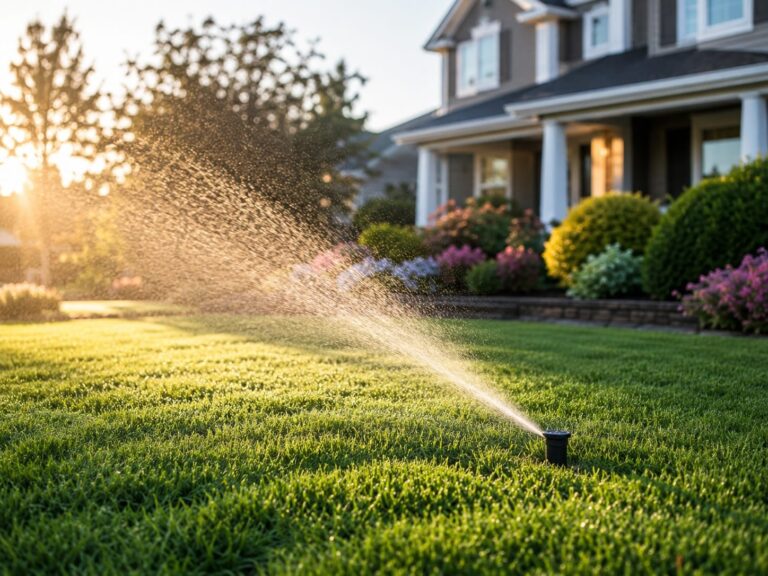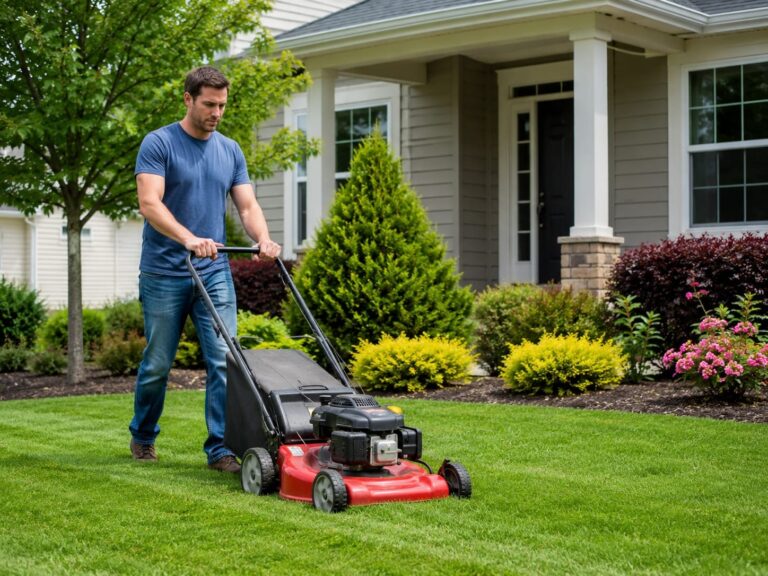

Most homeowners know they need to mow the lawn. The tricky part is knowing when. Mow too often and you may stress the grass, waste time, and burn fuel or battery life. Wait too long and the lawn gets shaggy, clumpy, uneven, and harder to bring back under control.
The truth is, there is no perfect “every Saturday morning” rule that works for every yard. Grass grows faster or slower depending on the season, weather, grass type, soil health, watering habits, and even how much sunlight your yard gets. A lawn in rainy spring weather may need mowing every few days, while the same lawn may barely need mowing during a hot, dry summer stretch.
So, how often should you mow your lawn? The simple answer: mow when the grass needs it, not just because the calendar says so. This guide breaks it down by season so you can keep your lawn healthy, clean, and easier to maintain. 🌱
Quick Summary
For most homeowners, lawn mowing frequency changes with the season. Spring and fall often require more frequent mowing, while summer and winter usually require less. The best rule is to avoid cutting more than one-third of the grass blade at once.
- Spring and fall: mow more often because grass usually grows faster in mild weather.
- Summer: mow less often during heat or drought, and keep grass slightly taller.
- Winter: mowing is usually unnecessary unless you live in a warm region where grass keeps growing.
🌿 The Golden Rule: Follow the One-Third Rule
Before we get into seasons, there is one mowing rule every homeowner should know: never remove more than one-third of the grass blade in a single mowing.
For example, if you like to keep your lawn around 3 inches tall, mow before it grows much higher than 4 to 4.5 inches. Cutting too much at once shocks the grass, weakens the root system, and can leave the lawn looking pale or scalped.
This is why mowing frequency should be based on growth. During rainy, mild weeks, grass may grow quickly and need mowing sooner. During dry or stressful periods, it may grow slowly and need more time between cuts.
📏 How Tall Should You Keep Your Grass?
Mowing height matters just as much as mowing frequency. Many homeowners cut grass too short because they think it means they can mow less often. It sounds logical, but it usually backfires.
Short grass has less leaf surface for photosynthesis, shallower roots, and less shade over the soil. That can lead to more weeds, faster moisture loss, and more stress during heat.
For many cool-season lawns, such as tall fescue, Kentucky bluegrass, and perennial ryegrass, a mowing height of about 3 to 4 inches works well. Some warm-season grasses, such as Bermuda or zoysia, are often maintained lower, but the ideal height depends on the grass type and region.
If you are unsure what type of grass you have, start by mowing a little higher rather than lower. Most residential lawns tolerate taller mowing better than scalping. Your lawn may not look like a golf fairway, but it will usually be healthier. And honestly, healthier is easier. 😊
🌸 Spring Mowing: Expect Faster Growth
Spring is when many lawns wake up quickly. Soil temperatures rise, rain becomes more frequent in many regions, and grass begins pushing fresh growth. This is also the season when mowing can get away from you fast.
In spring, many homeowners need to mow about once every 5 to 7 days. In very rainy periods, or if the lawn is fertilized heavily, mowing may be needed even more often. If growth is slower early in the season, every 7 to 10 days may be enough.
The first mow of spring should be gentle. Wait until the grass is actively growing and the ground is firm enough that mower wheels will not leave ruts. Remove sticks, leaves, and winter debris before mowing so you do not damage the mower or tear the turf.
Spring mowing tips
- Do not scalp the lawn to “clean it up” after winter.
- Sharpen mower blades before the growing season gets busy.
- Mow when the grass is dry to reduce clumping and uneven cuts.
- Adjust mowing frequency after fertilizing, because growth may speed up.
Spring is also when weeds begin to compete for space. A thicker lawn, mowed at the right height, helps shade the soil and gives weeds less room to establish.
☀️ Summer Mowing: Slow Down During Heat
Summer mowing depends heavily on your climate. In warm, humid regions, grass may keep growing steadily. In hot, dry regions, cool-season lawns may slow down or even go partly dormant.
For many homeowners, summer mowing falls somewhere between once every 7 to 14 days. If your lawn is irrigated and growing actively, you may still mow weekly. If the lawn is under drought stress, mowing less often is usually better.
During hot weather, raise the mower height slightly. Taller grass shades the soil, helps retain moisture, and protects the crown of the plant. Cutting short during heat is one of the fastest ways to stress a lawn.
When should you skip mowing in summer?
Skip or delay mowing if the lawn looks grayish, footprints remain visible after walking across it, or the grass is not growing much. These are signs of drought stress. Mowing stressed grass can make the problem worse.
Also avoid mowing during the hottest part of the day. If you need to mow in summer, early evening can be a good option once temperatures drop, as long as the lawn is dry enough. Morning mowing can also work after dew has dried.
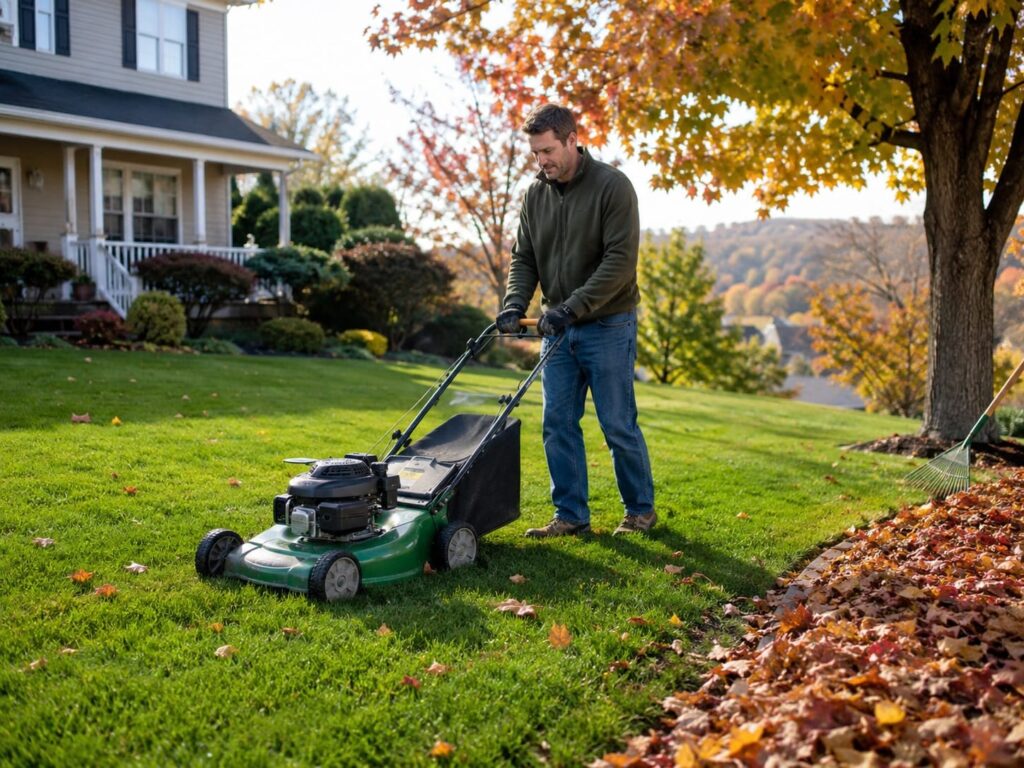
🍂 Fall Mowing: Keep Going While Grass Is Growing
Fall is one of the most important seasons for lawn care, especially for cool-season grasses. Temperatures cool down, rainfall often improves, and grass roots become more active again. Your lawn may grow faster in fall than it did in summer.
In many cases, fall mowing returns to about once every 5 to 10 days, depending on growth. If you overseed, fertilize, or get regular rain, mowing may need to be more frequent.
Do not stop mowing just because summer is over. Keep mowing until the grass stops growing. For many homeowners, this continues well into late fall.
As winter approaches, you can gradually lower the mowing height slightly, but avoid cutting too short. Leaving the lawn extremely tall over winter can encourage matting, snow mold in some regions, and messy spring cleanup. Cutting it too short, however, can expose the plant to cold and stress.
❄️ Winter Mowing: Usually Not Needed
In most cool-season regions, winter mowing is not necessary because grass growth slows dramatically or stops. The lawn may be dormant, frozen, snow-covered, or simply not growing enough to justify mowing.
In warmer parts of the United States, some lawns may continue growing slowly through winter. Warm-season grasses may go dormant and turn tan, while overseeded ryegrass or mild-climate lawns may still need occasional mowing.
If your lawn does need winter mowing, keep it light. Mow only when the grass is dry, the ground is firm, and temperatures are mild. Avoid mowing frozen turf or soggy soil, as this can damage grass and compact the ground.
🗓️ Seasonal Lawn Mowing Frequency Chart
The table below gives a practical starting point. Use it as a guide, then adjust based on your lawn’s actual growth.
| Season | Typical Mowing Frequency | Best Mowing Height | Key Tip |
|---|---|---|---|
| Spring | Every 5 to 7 days during active growth | Usually 3 to 4 inches for many cool-season lawns | Mow based on growth and avoid cutting too much at once |
| Summer | Every 7 to 14 days, depending on heat and rainfall | Slightly higher than normal during heat stress | Do not mow drought-stressed grass if growth has slowed |
| Fall | Every 5 to 10 days while grass is actively growing | Normal height, then slightly lower before winter if needed | Keep mowing until growth stops |
| Winter | Rarely needed in cool regions; occasional in warm climates | Depends on grass type and growth | Avoid mowing frozen, wet, or dormant turf |
🌱 Cool-Season vs. Warm-Season Grass
Your grass type plays a major role in mowing frequency. Cool-season grasses grow most actively in spring and fall. They often slow down in summer heat and may go dormant in drought.
Warm-season grasses grow most actively in late spring and summer. They thrive in heat but may go dormant and turn brown in cooler months.
This means a homeowner in Ohio with tall fescue may mow most often in spring and fall, while a homeowner in Georgia with Bermuda grass may mow most often during summer. Same question, different answer.
If you recently moved into a home and do not know your grass type, observe when it grows fastest. You can also ask a local extension office, garden center, or lawn care professional for help identifying it.
🚜 Should You Mow Wet Grass?
It is usually better to avoid mowing wet grass. Wet grass bends instead of cutting cleanly, clumps under the mower deck, and can leave uneven patches. Mowing wet soil may also create ruts and compact the lawn.
Sometimes life happens and you have to mow between rainy days. If so, raise the mower height, go slowly, clean the mower deck afterward, and avoid sharp turns that tear up the turf.
Still, whenever possible, wait until the lawn is dry. Your mower will work better, the lawn will look cleaner, and you will probably spend less time scraping clumps from the deck.
🔪 Sharp Blades Make a Bigger Difference Than You Think
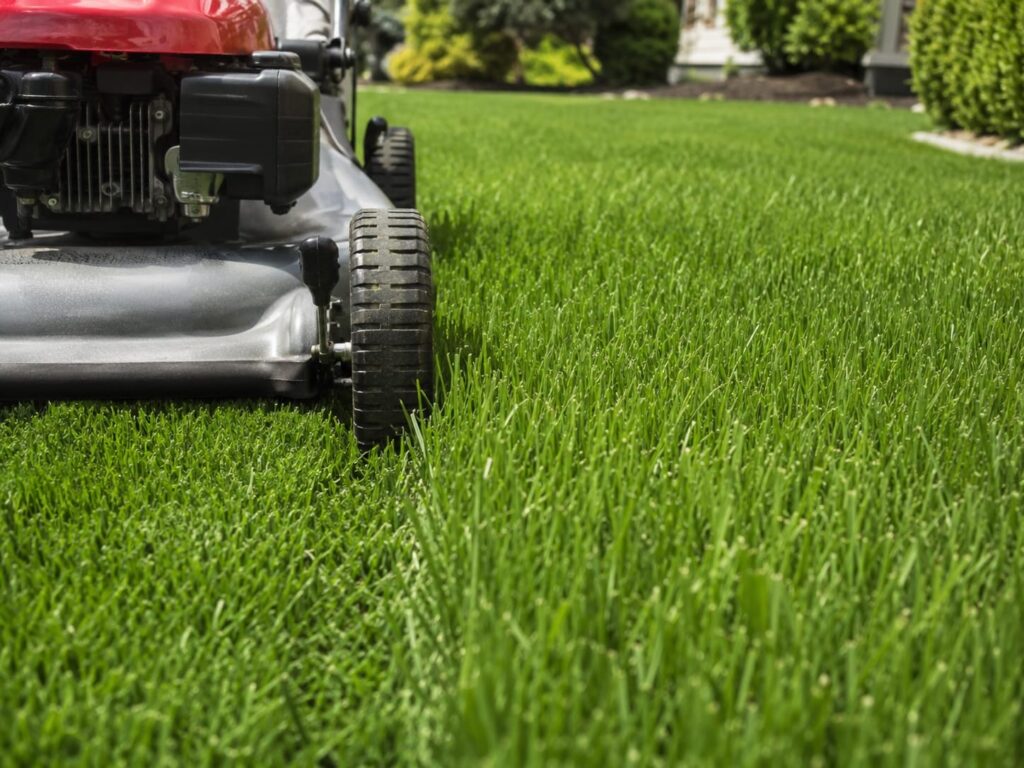
A dull mower blade tears grass instead of slicing it. Torn grass tips often look brown or frayed, even when the lawn is otherwise healthy. This can make homeowners think they need more water or fertilizer when the real problem is the mower blade.
For many homeowners, sharpening mower blades once or twice per season is helpful. If you mow a large property, hit sticks or rocks, or mow frequently, you may need to sharpen more often.
A clean cut helps grass recover faster after mowing. It is one of those small maintenance habits that makes the entire lawn look better.
♻️ Should You Leave Grass Clippings?
In many cases, yes. Grass clippings are not automatically bad for the lawn. When they are short and evenly spread, they break down and return nutrients to the soil.
Bagging may be helpful if the grass is very tall, wet, diseased, or leaving heavy clumps. Thick clumps can block sunlight and smother the grass underneath.
If you follow the one-third rule, clippings are usually small enough to leave behind. That saves time and supports healthier soil. A win-win.
🏡 Signs You Are Mowing Too Often
Mowing too often can stress the lawn, especially if you are cutting it short each time. Your lawn may be getting over-mowed if it looks pale, grows thin, shows mower tracks, or seems dry even after watering.
Another clue is that you are barely cutting anything. If the mower is running but almost no grass is being removed, you may be mowing out of habit rather than need.
Let the grass grow enough to justify mowing, while still staying within the one-third rule. That balance is where healthy lawn maintenance usually lives.
⚠️ Signs You Are Not Mowing Often Enough
Waiting too long between mowing sessions can also cause problems. Tall grass may bend over, shade itself, and create clumps when finally cut. The lawn may look uneven even after mowing.
If you regularly have to bag clippings or mow the same area twice to clean it up, you may be waiting too long. During fast-growth seasons, adding one extra mowing session can make the job easier and keep the lawn healthier.
A practical trick: if your lawn looks messy two days before you planned to mow, mow earlier next time. The grass is telling you the schedule.
✅ A Simple Mowing Routine That Works
Here is a realistic approach for most homeowners:
- Check the lawn once a week during the growing season.
- Mow when the grass is about one-third taller than your preferred height.
- Raise mowing height during hot, dry weather.
- Keep blades sharp and avoid mowing wet grass when possible.
- Keep mowing in fall until the lawn stops growing.
This routine gives you structure without locking you into a rigid schedule. Your lawn will look more consistent, and you will avoid the common cycle of letting grass get too tall, cutting it too short, and wondering why it looks stressed.
🌿 Mow With the Season, Not Against It
So, how often should you mow your lawn? In spring and fall, often enough to keep up with fast growth. In summer, less often if heat or drought slows the grass. In winter, usually not at all unless your climate keeps grass growing.
The best mowing schedule is flexible. Watch the grass, follow the one-third rule, and adjust your mower height based on weather and season. That simple approach can make your lawn greener, thicker, and easier to care for all year long. 🌱
❓ FAQ: How Often Should You Mow Your Lawn?
Is it okay to mow the lawn once a week?
Yes, once a week works well for many lawns during active growth. However, the best schedule depends on how fast the grass is growing. In spring, you may need to mow more often. In summer drought, you may need to mow less.
Can mowing too often damage grass?
Yes, especially if you mow too short or remove too much grass at once. Frequent mowing is usually fine only when you are cutting a small amount each time and keeping the lawn at a healthy height.
Should I mow lower before winter?
You can slightly lower the height for the final mow in some regions, but do not scalp the lawn. Grass that is too tall may mat down, while grass that is too short may be more vulnerable to stress.
How do I know if my grass is too tall?
If your lawn bends over, looks uneven, leaves clumps after mowing, or requires multiple passes, it is probably too tall. Try mowing before it grows more than one-third above your preferred height.
Should I mow during a drought?
It is usually better to mow less often during drought. If the grass is not growing and shows signs of stress, wait until conditions improve. When you do mow, keep the blade height higher.