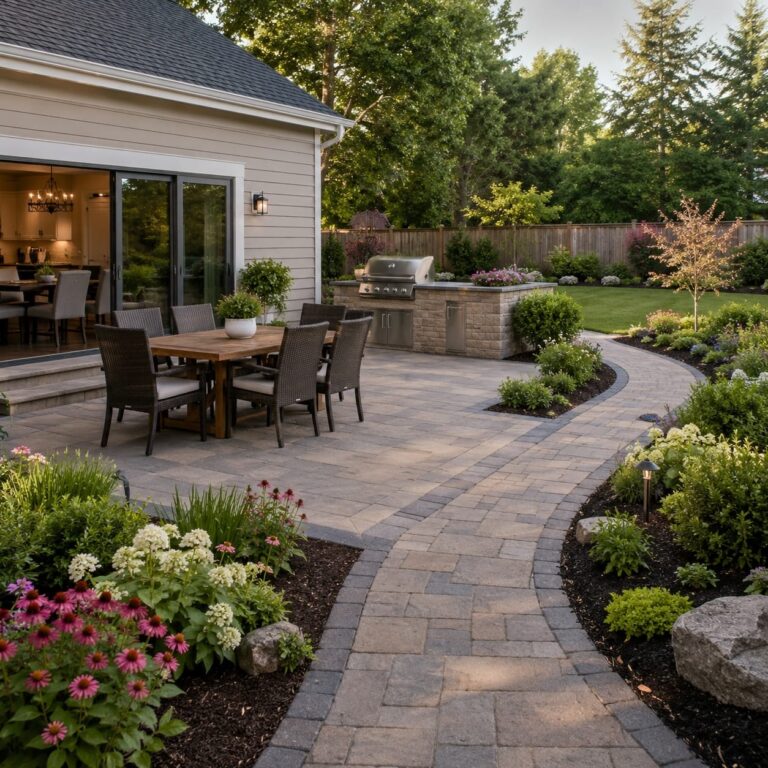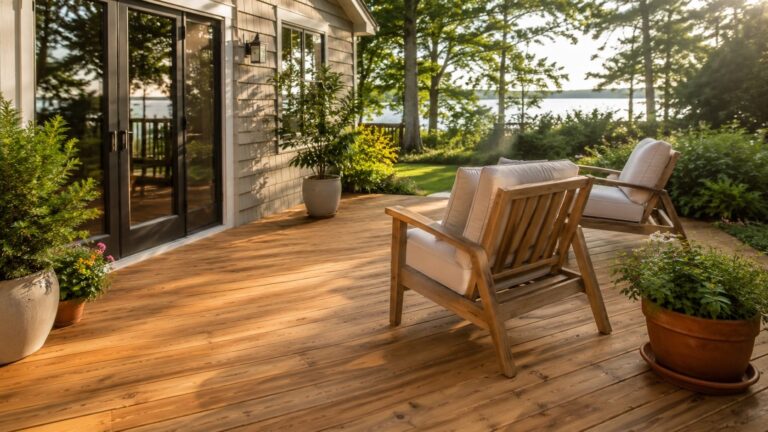
You finally have the patio, deck, or backyard seating area set up… and then the sun makes it almost unusable at 3 p.m. Or maybe a light rain sends everyone running inside right when dinner is ready. That is usually when homeowners start asking the same question: should we add a pergola, a gazebo, or a patio cover?
All three can make an outdoor space more comfortable, but they do very different jobs. A pergola creates partial shade and style. A gazebo gives you a freestanding backyard destination. A patio cover offers more serious protection from sun and rain, often right next to the house.
The best choice depends on how you use your yard, how much weather protection you want, your budget, your home’s layout, and how permanent you want the structure to be. Let’s break it down in plain English. 🌿
Quick Summary
A pergola is best for style, filtered shade, and climbing plants. A gazebo works well as a freestanding backyard retreat. A patio cover is usually the better choice when you want stronger protection from sun and rain near the house.
- Pergola: great for partial shade, visual structure, and open-air outdoor living.
- Gazebo: ideal for a separate seating area, garden feature, or destination zone.
- Patio cover: best for dependable shade and rain protection over a deck or patio.
🌤️ What Is the Main Difference?
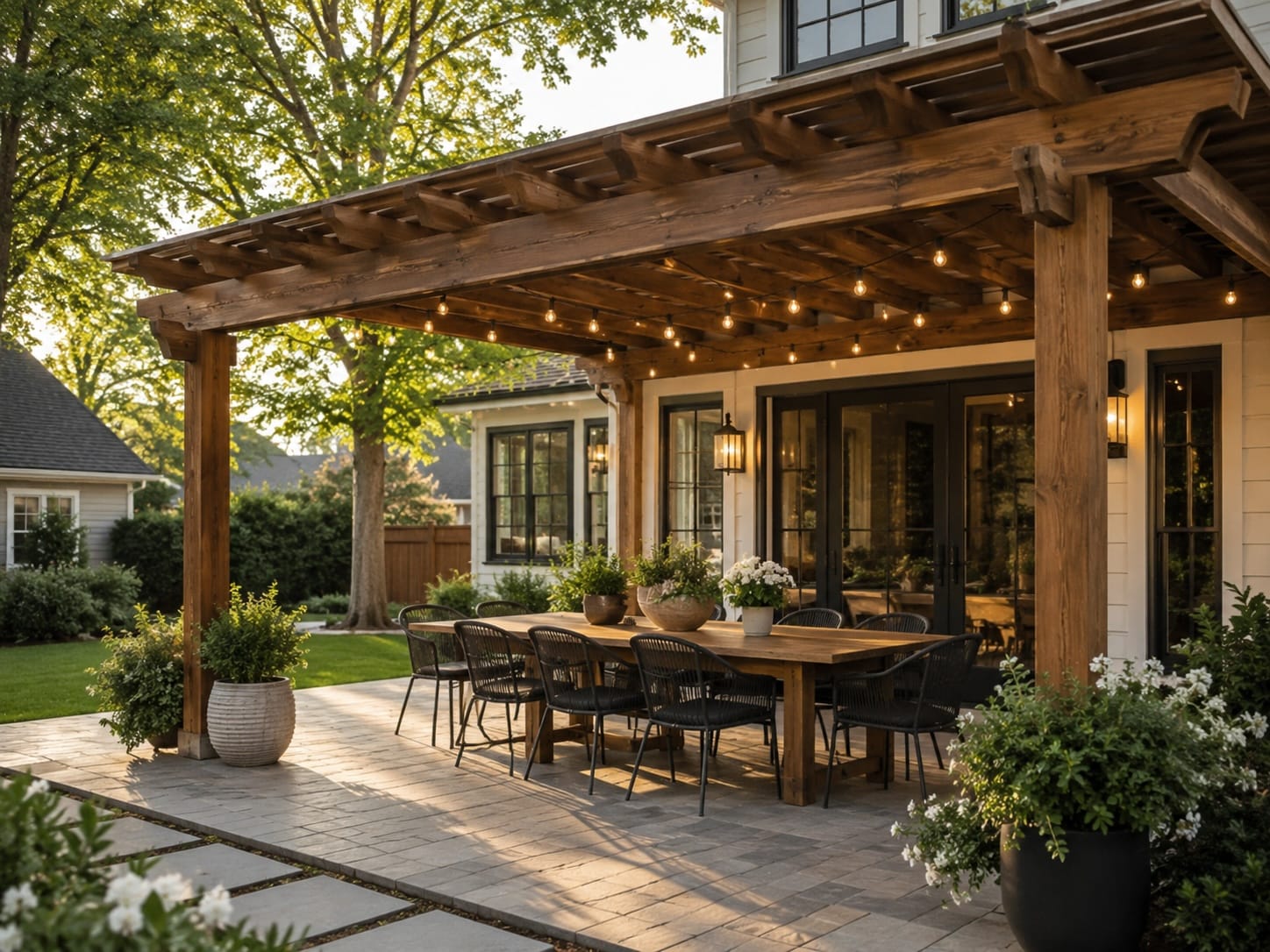
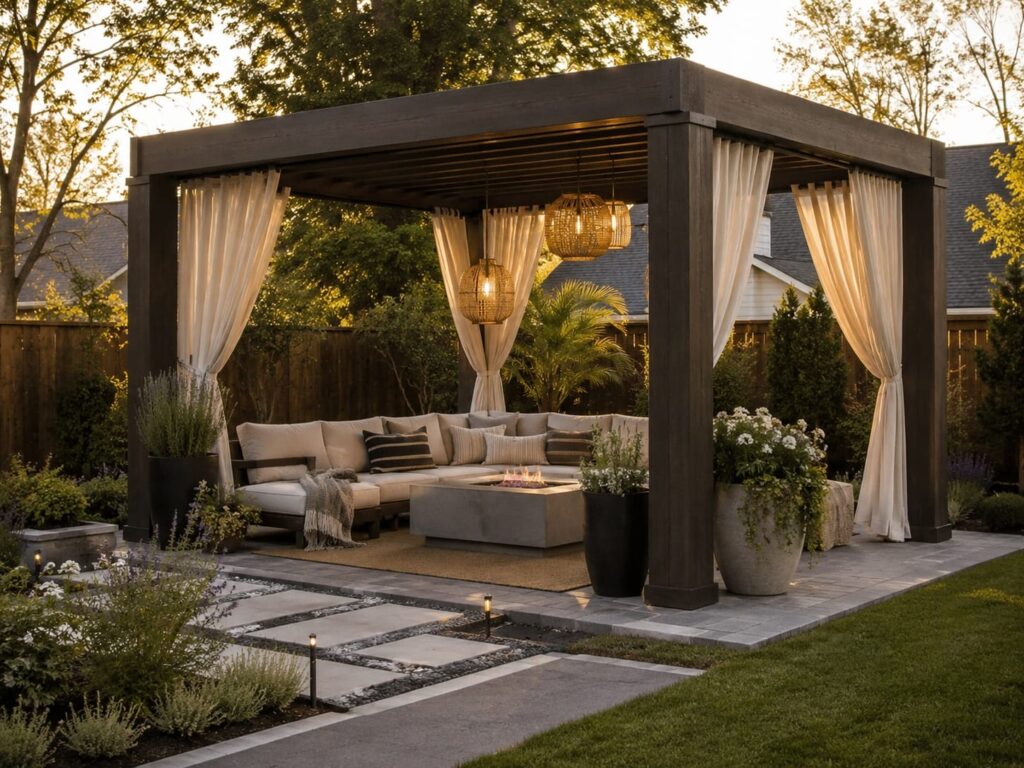
A pergola is an open outdoor structure with posts and overhead beams or slats. It may be attached to the house or freestanding. Pergolas usually provide partial shade, not full rain protection, unless they include added panels, a canopy, or louvers.
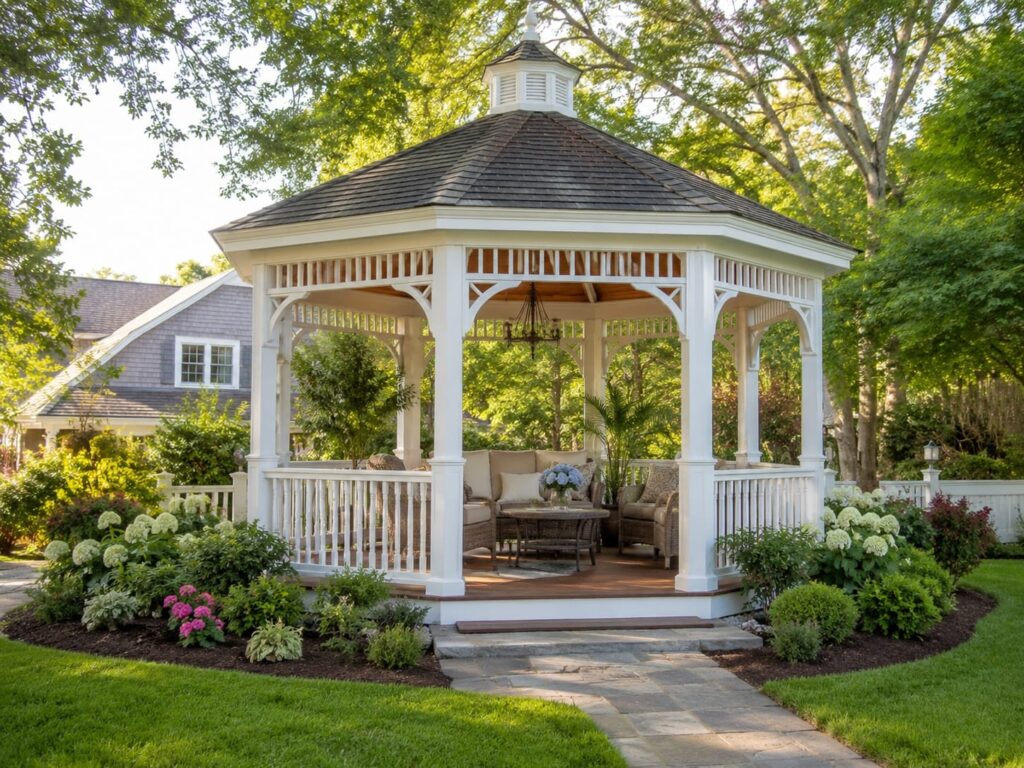
A gazebo is a freestanding structure with a full roof. It often has an octagonal, rectangular, or square shape and may include railings, built-in benches, screens, or decorative details. Gazebos are usually placed away from the house as a backyard feature.
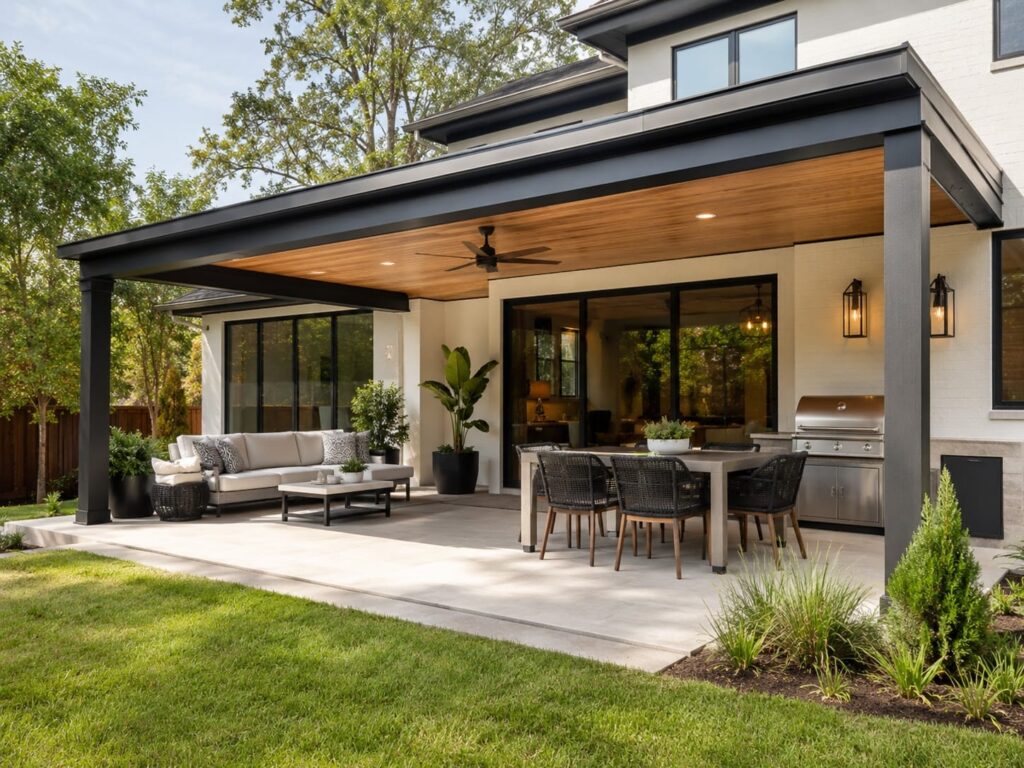
A patio cover is a roof-like structure built over a patio or deck. It is often attached to the house and designed to protect the space from sun and rain. Patio covers can be made from wood, aluminum, steel, polycarbonate, shingles, or other roofing materials.
In short: a pergola filters sunlight, a gazebo creates a separate outdoor room, and a patio cover protects the area more like an extension of the house.
🌿 When a Pergola Makes the Most Sense
A pergola is a great choice when you want your backyard to feel more finished without fully closing it in. It adds structure, height, and design interest while keeping the space open and airy.
Many homeowners choose pergolas over patios, decks, outdoor kitchens, garden walkways, or seating areas. They can frame a dining table, define a lounge zone, or create a transition between the house and yard.
A pergola may be the right fit if you want:
- Filtered shade instead of a full roof
- A stylish focal point for a patio or deck
- A place for climbing plants, string lights, or hanging planters
- An open-air space that still feels defined
- A structure that can be simple, modern, rustic, or traditional
The main thing to remember is that a basic pergola will not block rain. It may soften direct sun, especially when positioned well, but it does not create the same weather protection as a patio cover.
🌧️ When a Patio Cover Is the Better Choice
If your main goal is comfort during bright sun or light rain, a patio cover often makes more sense than a pergola. It is usually more protective, more permanent, and more closely connected to the home.
Patio covers work especially well over outdoor dining areas, grilling zones, hot tubs, and seating areas right outside the back door. If you want to step outside without immediately checking the weather, a patio cover is probably worth considering.
A patio cover may be the right fit if you want:
- More reliable shade during the hottest part of the day
- Better rain protection for furniture and outdoor dining
- A covered transition from indoors to outdoors
- A structure that feels like part of the home
- Options for lighting, ceiling fans, heaters, or outdoor speakers
Because a patio cover often attaches to the house, proper design matters. Drainage, roof pitch, flashing, posts, footings, and local building rules should all be handled carefully. In many cases, this is a project for a qualified contractor, not a casual weekend build.
🏡 When a Gazebo Works Best
A gazebo is usually less about covering the back door and more about creating a destination in the yard. Think of it as a small outdoor room placed where you want to relax, read, entertain, or enjoy the garden.
Gazebos can be charming in larger yards, garden settings, pool areas, and properties with scenic views. They also work well when you want shade away from the house.
A gazebo may be the right fit if you want:
- A freestanding backyard feature
- A shaded seating area away from the home
- A garden focal point or poolside retreat
- More enclosure than a pergola
- The option to add screens for bugs or privacy
Gazebos need the right location. Place one too far from the house, and it may look pretty but rarely get used. Place it where there is a view, breeze, shade, or purpose, and it can become one of the most loved spots in the yard. ✨
🧱 Pergola vs Gazebo vs Patio Cover: Quick Comparison
The table below gives you a simple side-by-side view of how these structures compare.
| Feature | Pergola | Gazebo | Patio Cover |
|---|---|---|---|
| Best for | Filtered shade and visual structure | Freestanding backyard retreat | Sun and rain protection near the house |
| Roof style | Open beams, slats, canopy, or louvers | Full roof | Solid or semi-solid roof |
| Weather protection | Low to moderate, depending on design | Moderate to high | High, when properly built |
| Typical location | Deck, patio, garden path, outdoor kitchen | Garden, lawn, pool area, scenic corner | Attached to home over patio or deck |
| Maintenance | Depends on material and plant coverage | Roof, posts, flooring, screens if included | Roofing, gutters, posts, attachment points |
| Best homeowner priority | Style and partial shade | Destination seating area | Usable outdoor space in more weather |
💰 Which Option Costs More?
Costs vary widely based on size, materials, site conditions, labor, design complexity, and your region. A small prefabricated pergola may be relatively affordable, while a custom cedar pergola with electrical work and adjustable louvers can become a major investment.
Gazebos can also range from simple kits to custom structures with roofing, screens, lighting, and built-in seating. Patio covers may cost more when they are attached to the home, engineered for loads, tied into the roofline, or built with premium materials.
As a general rule:
- Basic pergolas are often the simplest starting point.
- Gazebos can become more expensive because they are complete freestanding structures.
- Patio covers may require more structural planning, especially when attached to the house.
Do not compare only the starting price. Think about long-term maintenance, shade performance, furniture protection, and how often you will actually use the space.
☀️ How Much Shade Do You Really Need?
This is one of the most important questions. Shade is not all the same.
A pergola gives patterned shade. Depending on the slat spacing and sun angle, you may still get strong sunlight at certain times of day. That can be lovely in spring but uncomfortable in a hot afternoon climate.
A gazebo provides more consistent shade because it has a full roof. A patio cover can also provide strong shade, especially if it is positioned correctly and sized to cover the seating area.
Before deciding, spend time outside during the hours you actually plan to use the space. If the sun is harsh from the west, a roof alone may not solve everything. You may also need curtains, screens, trees, or side shade solutions.
🌦️ What About Rain Protection?
If rain protection matters, be realistic. A standard open-top pergola will not keep furniture dry. Even some slatted or fabric pergola covers offer only limited protection.
Gazebos and patio covers are better options for rain, but the details matter. A roof needs proper slope, drainage, and durable materials. If water drips right where people sit or flows toward the house foundation, the design needs improvement.
For attached patio covers, flashing and water management are especially important. Poor installation can lead to leaks or damage where the structure meets the home.
🛠️ Materials: Wood, Metal, Vinyl, Composite or Fabric?
The material you choose affects appearance, cost, maintenance, and lifespan.
Wood
Wood has a warm, natural look and works well for traditional, rustic, and craftsman-style homes. Cedar, redwood, and pressure-treated lumber are common choices. Wood usually needs sealing, staining, or painting over time.
Aluminum or steel
Metal structures can look modern and require less routine maintenance than wood. Aluminum is lightweight and resistant to rust, while steel can be strong but may need protective coatings depending on climate.
Vinyl
Vinyl pergolas and gazebos are popular because they are low maintenance and clean-looking. They may not have the same natural feel as wood, but they can work well for homeowners who want less upkeep.
Composite or PVC
Composite materials can offer a polished look with less maintenance than traditional wood. They may cost more upfront but can be appealing for long-term durability.
Fabric and canopies
Fabric shades can soften sunlight and add flexibility. However, they may fade, tear, collect debris, or need seasonal removal in windy or snowy climates.
🧭 Where Should You Place It?
Location can make or break the project.
A pergola over a patio near the kitchen may become a dining favorite. A pergola in the far corner of the yard may rarely get used unless it has a clear purpose. A gazebo near a garden, pool, or view can feel special, but it should not be so far away that carrying food or drinks becomes annoying.
A patio cover is usually placed near the house, but even then, think about door swing, windows, drainage, rooflines, and how much natural light it may block from interior rooms.
Ask yourself:
- Where do people naturally gather outside?
- What time of day will the space be used?
- Will the structure block windows, views, or natural light?
- Is there enough clearance for furniture, grill safety, and walking paths?
- Will rainwater drain away from the house?
💡 Lighting, Fans and Extras
One advantage of a permanent shade structure is that it can support comfort upgrades. String lights, recessed lighting, pendant fixtures, ceiling fans, outdoor heaters, privacy curtains, speakers, and screens can all make the space more enjoyable.
However, electrical work should be planned carefully. Outdoor wiring needs to be rated for exterior use and installed according to code. For ceiling fans, lights, or heaters, work with qualified professionals.
Small upgrades can make a big difference. A pergola with string lights may become a beautiful evening space. A patio cover with a ceiling fan can be much more comfortable in humid summer weather. A gazebo with screens can turn a buggy corner of the yard into a peaceful retreat.
📋 Permits, HOA Rules and Safety
Depending on your location, any of these structures may require a permit. Attached patio covers often face more building requirements because they connect to the home. Gazebos and pergolas may also need approval based on size, height, setbacks, footings, electrical work, or roofing.
If you live in an HOA community, check design rules before ordering anything. Color, height, roof style, placement, and materials may all be regulated.
Also consider wind, snow load, and storm exposure. A lightweight structure that works in one region may not be appropriate in another. Local rules exist for a reason, and outdoor structures should be built to handle your climate.
✅ How to Choose: A Simple Homeowner Checklist
Still deciding? Use this quick guide:
- Choose a pergola if you want style, filtered shade, climbing plants, and an open-air feel.
- Choose a gazebo if you want a freestanding destination, garden retreat, poolside shade, or screened sitting area.
- Choose a patio cover if you want stronger sun and rain protection directly outside your home.
Then ask the practical questions: How much shade do you need? Will you use the space in rain? Is the structure attached to the house? Do you want low maintenance? Will local rules allow it? And, maybe most importantly, will this make your outdoor space easier to enjoy?
🌿 The Right Structure Should Match How You Live Outside
A pergola, gazebo, and patio cover can all make a backyard more inviting. The right choice depends less on which one looks best online and more on how your home and yard actually work.
If you want a beautiful open-air frame for a seating area, a pergola may be perfect. If you want a charming backyard destination, a gazebo can create a special place to relax. If you want dependable protection from sun and rain near the house, a patio cover is likely the most practical option.
Start with comfort, then design around it. A great outdoor structure should not just look good — it should make your deck, patio, or backyard easier to use. ☀️
❓ FAQ: Pergola, Gazebo or Patio Cover
Does a pergola protect from rain?
A standard open pergola does not provide full rain protection. Some pergolas can be upgraded with canopies, panels, or adjustable louvers, but performance depends on the design.
Is a gazebo better than a pergola?
Not always. A gazebo is better if you want a freestanding covered retreat with more shade and rain protection. A pergola is better if you want an open, stylish structure with filtered shade.
Is a patio cover attached to the house?
Many patio covers are attached to the home, but some can be freestanding. Attached covers need careful planning for drainage, flashing, roof loads, and local code requirements.
Which option is best for a hot sunny patio?
A patio cover usually provides the strongest shade. A gazebo can also work if placed where people gather. A pergola may help, but it may need a canopy, louvers, curtains, or vines for stronger sun control.
Do I need a permit for a pergola, gazebo or patio cover?
You might. Requirements vary by location, size, height, attachment to the home, roofing, footings, and electrical work. Always check local building rules and HOA guidelines before building.
Which outdoor structure is lowest maintenance?
Low-maintenance options often include aluminum, vinyl, and some composite materials. Wood can be beautiful but usually needs more upkeep over time, especially in wet or sunny climates.