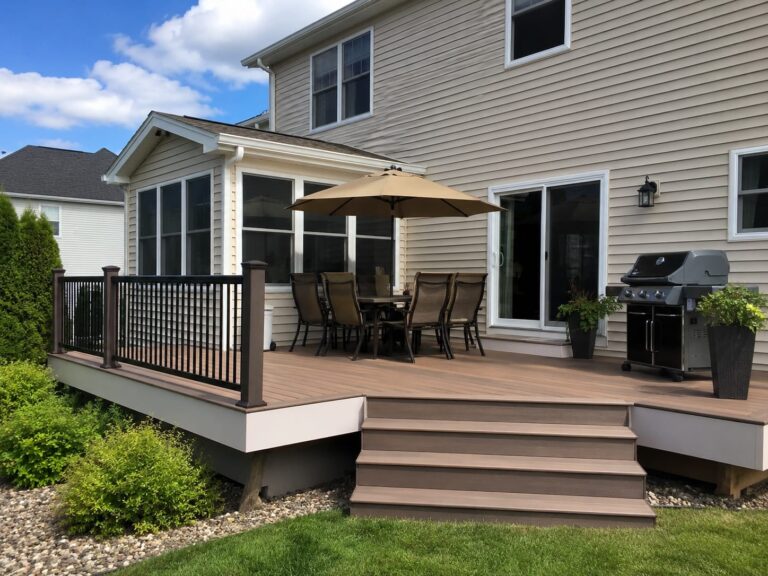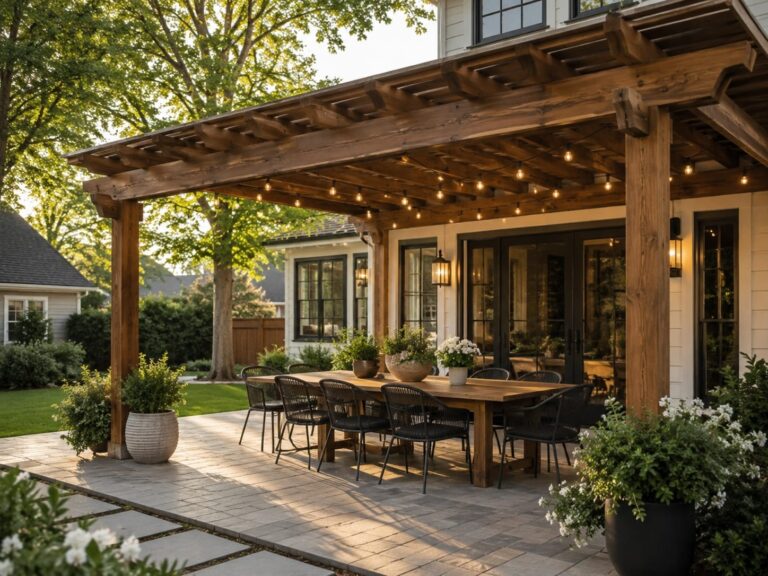
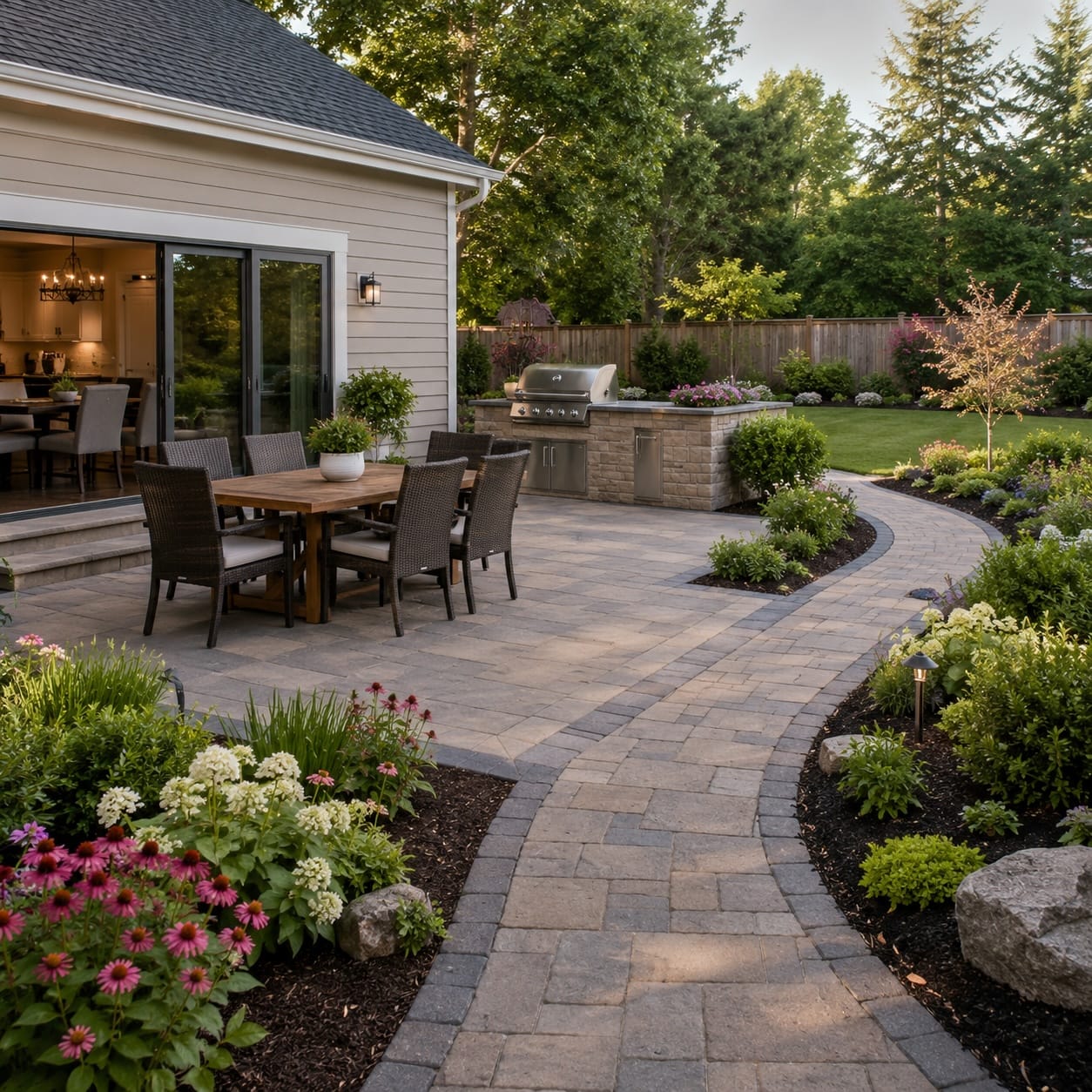
A patio can look beautiful in photos and still feel awkward in real life. Maybe the table is too far from the kitchen. Maybe the grill sits in the walking path. Maybe the patio is technically large enough, but once you add chairs, planters, and a fire pit, everyone is squeezing around sideways.
That is why patio planning should start with your backyard layout, not with paver colors or furniture styles. The best patio is not always the biggest or most expensive one. It is the one that fits how people actually move, sit, cook, relax, and enjoy the yard. 🏡
Whether you are building a small seating area, a family dining space, or a full outdoor living zone, this guide will help you think through the practical details before installation begins.
Quick Summary
A well-planned patio should match your backyard layout, not fight against it. Start by studying traffic flow, sun exposure, door access, yard slope, furniture needs, and how the patio will connect to the rest of your outdoor space.
- Plan around use: dining, lounging, grilling, fire pits, and garden access all need different layouts.
- Respect the yard: slope, drainage, shade, privacy, and existing trees should guide patio placement.
- Leave room to move: furniture clearance and walking paths matter just as much as square footage.
🌿 Start With How You Want to Use the Patio
Before thinking about materials, ask a simpler question: what will this patio actually do?
A patio for morning coffee can be small and quiet. A patio for family dinners needs space for a table, chairs, and easy access to the kitchen. A patio built around a fire pit needs safe clearances and seating that can handle smoke, heat, and movement. A patio designed for entertaining may need several zones instead of one large open slab.
Common patio uses include:
- Outdoor dining
- Grilling or an outdoor kitchen
- Lounge seating
- Fire pit conversations
- Poolside seating
- Garden viewing or quiet relaxation
- Transition space between the house and yard
Try not to design for an imaginary version of your life. If you rarely host large parties, you may not need a huge entertaining patio. If you eat outside three nights a week, dining access should be a priority. The best patio supports your real habits.
🚶 Think About Traffic Flow First
A patio has to work like a room, but it also has to work like a pathway. People need to move from the house to the grill, from the table to the yard, from the patio door to the garden, and sometimes from the driveway or side gate to the backyard.
If the patio interrupts those paths, it will feel frustrating. Chairs will be bumped. Guests will cut across the lawn. The grill may end up too close to seating. Small annoyances add up quickly.
Walk through your backyard and notice the natural routes people already take. Where do kids run? Where does the dog go? Where do you carry food, tools, cushions, or firewood? These movement patterns can tell you where a patio should be open, where furniture should not go, and where a walkway may be needed.
Leave enough clearance
As a general planning idea, leave extra space behind dining chairs so people can pull them out and walk around. Leave open routes between the house, grill, seating, stairs, lawn, and garden beds. A patio that looks spacious when empty can feel cramped once furniture arrives.
🏠 Connect the Patio to the House Naturally
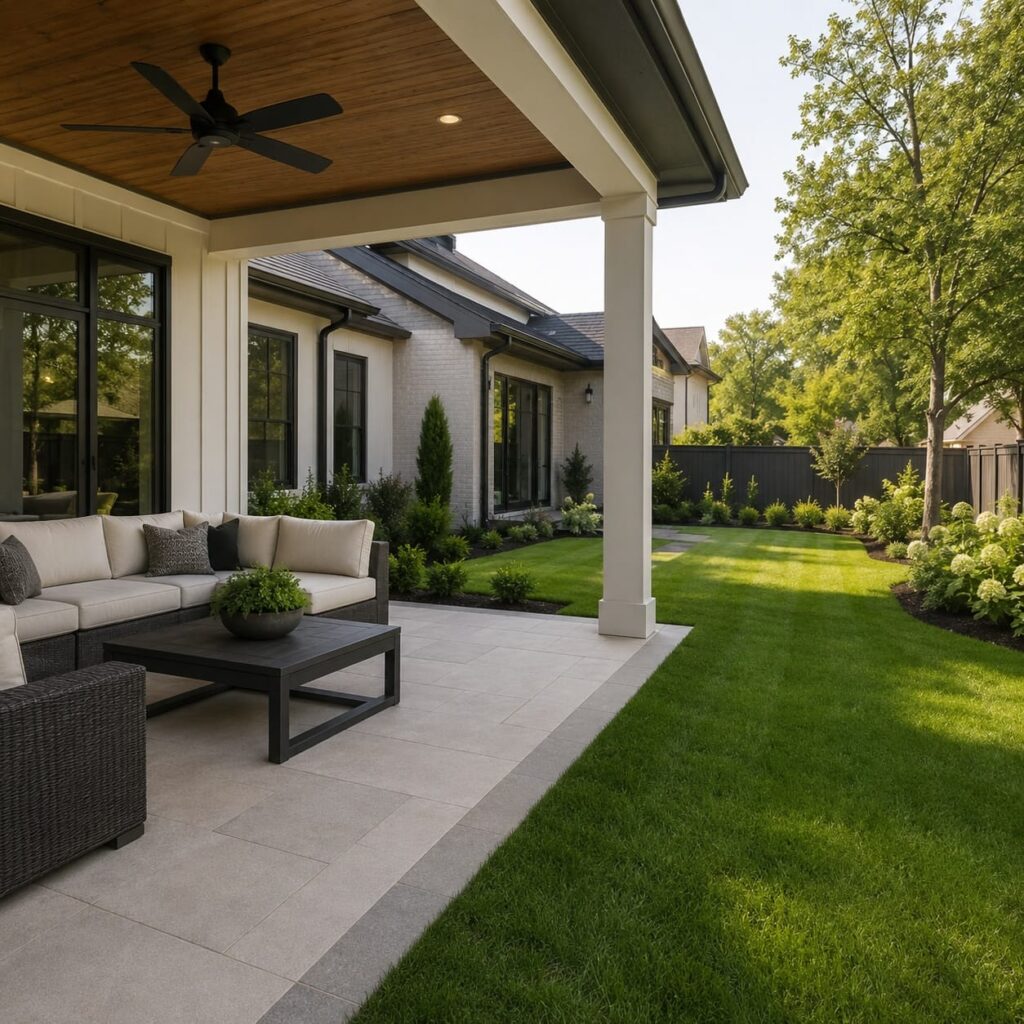
Most patios work best when they feel connected to the home. That does not always mean the patio has to sit directly against the house, but it should make sense with doors, windows, steps, and daily routines.
If your kitchen opens to the backyard, a dining patio nearby can be very convenient. If the living room has sliding doors, a lounge patio may feel like a natural extension of the indoors. If your back door is raised above grade, you may need steps, a landing, or even a deck-to-patio transition.
Also think about what the patio looks like from inside. A well-placed patio can improve the view from a kitchen or living room. Poor placement can block light, create clutter, or make the backyard feel disconnected.
☀️ Study Sun, Shade, Wind, and Privacy
A patio may be beautiful and still uncomfortable if it is placed in the wrong microclimate. Sun exposure changes throughout the day and across the seasons. A spot that feels perfect at 9 a.m. may be too hot to use at 4 p.m.
Spend time outside during the hours you plan to use the patio. Notice:
- Morning sun: great for coffee areas and cooler climates.
- Afternoon sun: can be harsh, especially on west-facing patios.
- Shade from trees: helpful for comfort, but may drop leaves, sap, or debris.
- Wind direction: important for fire pits, grills, and exposed seating.
- Neighbor views: may influence privacy screens, plantings, or patio placement.
Shade can be added later with umbrellas, pergolas, trees, shade sails, or patio covers. Privacy can be improved with fencing, shrubs, trellises, screens, or raised planters. Still, it is easier to plan for comfort from the beginning than to fix an uncomfortable patio later. 🌤️
📏 Choose the Right Patio Size
Patio size should be based on function, not guesswork. A small bistro set needs much less room than a six-person dining table. A sectional sofa needs room around it. A fire pit area needs safe spacing between flames, seating, and surrounding plants or structures.
One of the easiest planning mistakes is making the patio just big enough for the furniture itself, without leaving room for movement. Another mistake is building a patio so large that it overwhelms the backyard and removes useful lawn or planting space.
| Patio Use | Layout Need | Helpful Planning Tip | Common Mistake |
|---|---|---|---|
| Small seating area | Room for 2 chairs and a small table | Place it where the view, shade, or quiet is best | Making it too isolated to use often |
| Outdoor dining | Table, chairs, and walking room around them | Keep it close to the kitchen or grill | Forgetting chair pull-out clearance |
| Lounge space | Sofa, chairs, coffee table, side tables | Arrange it like an outdoor living room | Blocking the main path through the yard |
| Fire pit area | Safe spacing around heat and seating | Check local rules and manufacturer clearances | Placing it too close to structures or plants |
| Outdoor kitchen | Cooking, prep, serving, and circulation zones | Plan utilities and ventilation early | Underestimating weight, heat, and code needs |
🧱 Match the Patio Shape to the Backyard
A rectangle is simple and efficient, but it is not always the best fit. The shape should respond to the yard, the house, and the way the patio will be used.
A square or rectangular patio works well for dining sets, outdoor sofas, and modern homes. A curved patio can soften a garden-heavy yard and help the space feel more organic. An L-shaped patio can wrap around a house corner or separate cooking and seating zones. A circular patio can work nicely for a fire pit or small destination area.
Try laying out the shape with a garden hose, rope, stakes, spray paint, or outdoor tape. Then place temporary chairs or boxes where furniture might go. Walk around it. Open the back door. Pretend you are carrying a tray of food. This simple test can reveal layout problems before money is spent.
🌧️ Plan for Drainage Before Anything Else
Drainage is not the most exciting part of patio design, but it is one of the most important. A patio should move water away from the house and avoid creating puddles, erosion, or soggy lawn edges.
The patio surface usually needs a slight slope for runoff. The base must also be prepared correctly, especially for pavers, stone, and other hardscape materials. Poor drainage can lead to settling, cracking, weeds, ice problems, or water moving toward the foundation.
If your backyard already has standing water, clay soil, low spots, or runoff from neighboring properties, address those issues before installing the patio. In more complicated yards, a landscape contractor, drainage specialist, or qualified hardscape professional can help.
🌳 Work With Existing Trees and Landscaping
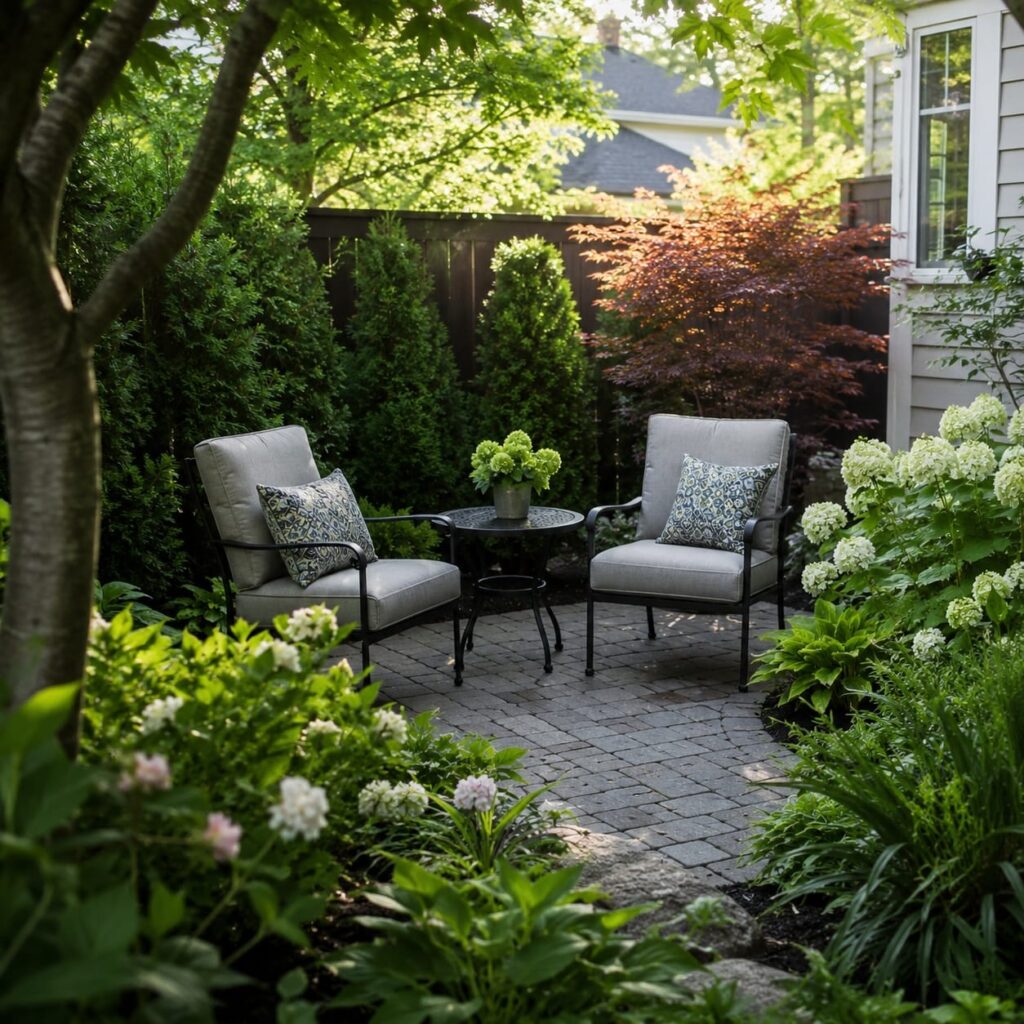
Existing trees, shrubs, slopes, beds, and views can make a patio feel established from day one. Instead of clearing everything, look for ways to use what is already working.
A mature tree can provide shade and character. A garden bed can create privacy. A hedge can frame the patio. A view toward a pond, lawn, or flower border can help determine the best seating direction.
Be careful with tree roots, though. Building too close to large roots can damage the tree or create future patio movement. Heavy excavation, grade changes, and compacted soil can stress trees. If a major tree is part of the plan, it may be worth consulting an arborist before construction.
🔥 Decide Where the Grill or Fire Pit Goes
Cooking and fire features need special attention. They are useful, but they also affect safety, comfort, and layout.
A grill should be convenient to the kitchen but not so close to doors, siding, railings, or overhangs that heat and smoke become a problem. Check the grill manufacturer’s clearance recommendations and local rules.
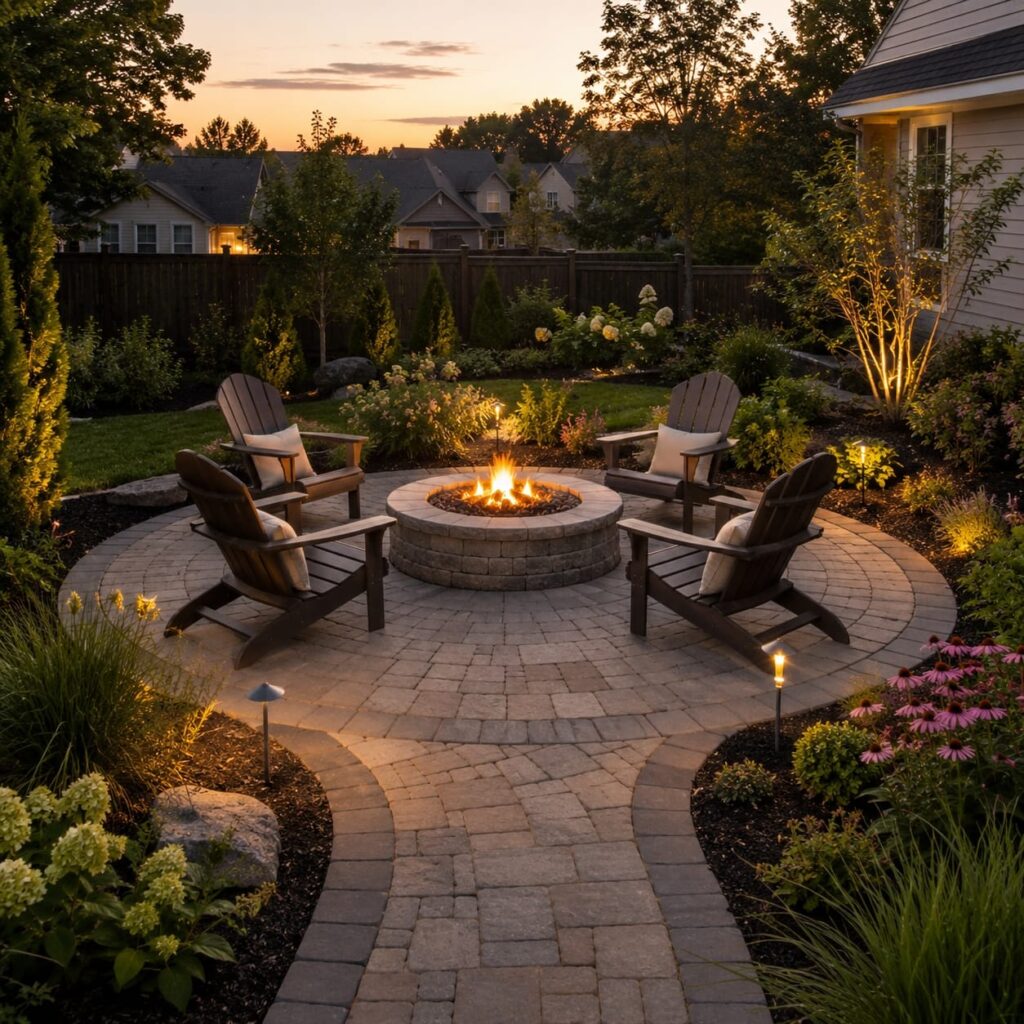
Fire pits need space around them. Smoke direction, seating distance, overhead trees, nearby fencing, and surface material all matter. Wood-burning fire pits may have different local restrictions than gas fire features.
If your patio will include gas, electrical, plumbing, or built-in cooking appliances, plan those details early. Retrofitting utilities later can be expensive and disruptive.
🪑 Plan Furniture Before Choosing Materials
Furniture is not an afterthought. It determines how much space you need, where people walk, and how the patio feels.
Measure the furniture you want, or at least use realistic dimensions. A large sectional, dining table, chaise lounge, and grill may not all fit comfortably on the same patio unless the space is designed for zones.
Think about furniture style too. Lightweight chairs may shift on gravel. Thin chair legs can catch in wide paver joints. Dark materials may get hot in full sun. Cushioned seating may need storage or a covered area during storms.
For a polished layout, create “rooms” outside: dining near the kitchen, lounge seating near shade, fire pit seating slightly away from traffic, and garden paths that connect everything.
🪨 Choose Materials That Fit Your Yard and Lifestyle
Patio materials should match your budget, design style, climate, and maintenance comfort. There is no single best material for every home.
Concrete
Concrete can be simple, clean, and cost-effective. It works well for modern layouts and large surfaces. It may crack over time, especially with poor base preparation or freeze-thaw conditions, but control joints and proper installation help.
Pavers
Pavers are popular because they come in many colors, shapes, and patterns. They can be repaired in sections if needed. The base and edge restraints are critical for long-term performance.
Natural stone
Natural stone can look beautiful and timeless. It often works well in garden-focused landscapes. It may cost more and can vary in texture, thickness, and slipperiness depending on the stone.
Brick
Brick gives a classic look and works especially well with traditional homes. It may require occasional maintenance if joints shift or weeds appear.
Gravel
Gravel can be budget-friendly and charming for informal seating areas or garden patios. It is not always ideal for dining chairs, wheelchairs, strollers, or furniture that needs a very stable surface.
💡 Add Lighting Early in the Plan
Patio lighting can turn a space from “nice during the day” into “usable after dinner.” It also improves safety around steps, edges, paths, and level changes.
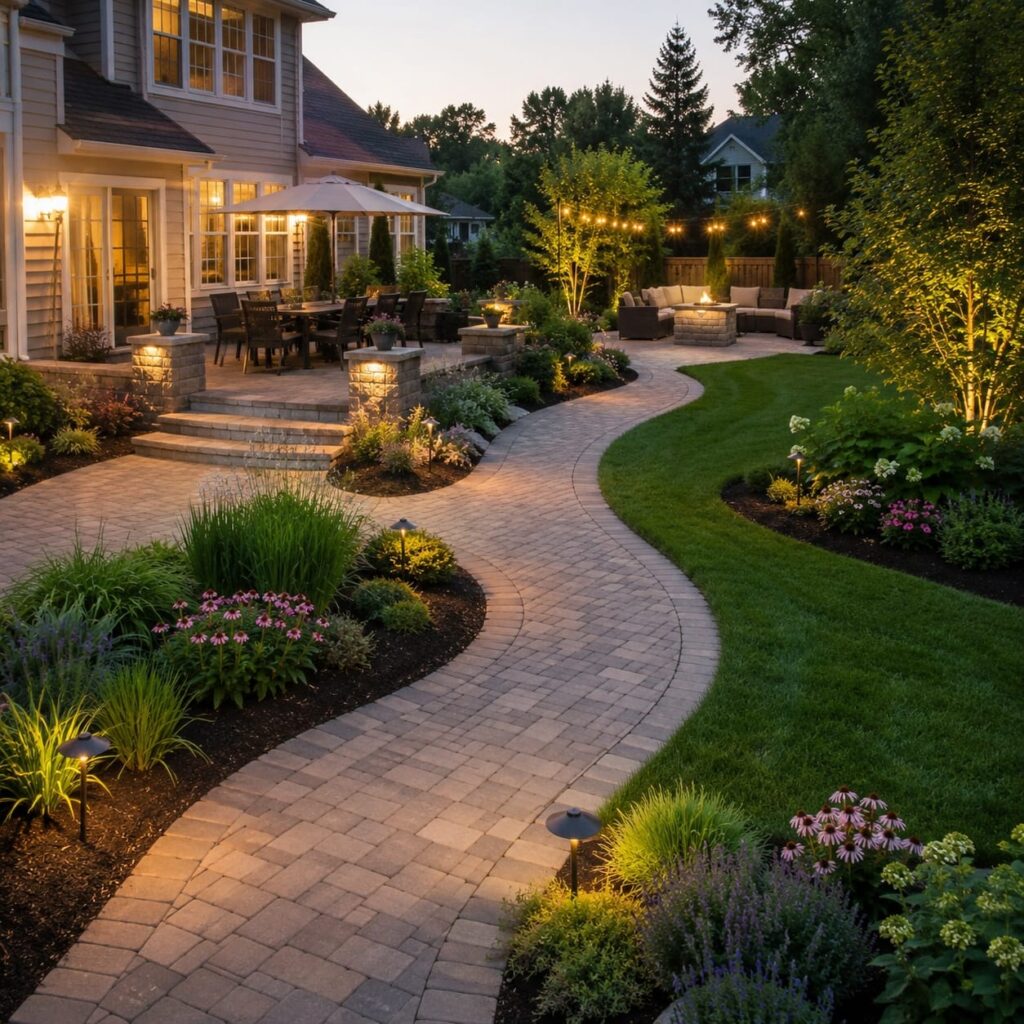
Consider a mix of lighting: path lights, step lights, wall lights, string lights, uplights for trees, and subtle fixtures around seating areas. Avoid making the patio feel like a parking lot. Soft layered lighting usually feels more comfortable.
Electrical work should be rated for outdoor use and installed according to local code. If you want outlets, built-in lighting, fans, heaters, or an outdoor kitchen, talk with a qualified electrician early.
🧭 Make the Patio Feel Connected to the Whole Yard
A patio should not feel like a random hard surface dropped into the grass. The best patios connect naturally to the rest of the backyard.
You can create that connection with:
- Walkways to the garden, gate, shed, pool, or lawn
- Planting beds around patio edges
- Steps or seat walls that handle grade changes
- Outdoor rugs and furniture zones
- Lighting that leads people through the space
- Repeating materials or colors from the home’s exterior
Softening the edges matters. Plants, mulch beds, boulders, low walls, or container gardens can help the patio feel like part of the landscape instead of a hard rectangle in the yard.
📋 Check Rules, Permits, and Practical Limits
Some patios are simple. Others may involve permits, zoning rules, HOA approvals, drainage regulations, setbacks, utilities, fire features, or retaining walls.
Before installation, check local requirements. This is especially important if the patio changes drainage, covers a large area, includes electrical or gas lines, sits near property lines, or connects to stairs, decks, pools, or structures.
It is also smart to locate underground utilities before digging. In the United States, homeowners can typically use local utility marking services before excavation. For complex projects, work with qualified professionals.
✅ A Practical Patio Planning Checklist
Before you finalize the layout, run through this checklist:
- Main purpose: dining, lounging, grilling, fire pit, garden seating, or multiple zones?
- Best location: close to the house, tucked in the garden, near the pool, or connected by a path?
- Traffic flow: can people move easily around furniture?
- Sun and shade: will the patio be comfortable when you actually use it?
- Drainage: will water move away from the house?
- Furniture fit: have you planned for chair clearance and walking room?
- Materials: do they match your climate, budget, and maintenance expectations?
- Future upgrades: lighting, pergola, outdoor kitchen, fire feature, or planting beds?
🌿 Build a Patio Around Real Life
A successful patio is more than a flat place to put furniture. It is a connection point between the house, the yard, and the way you spend time outside.
Start with real life: how you cook, where you sit, how people walk, when the sun hits, where water drains, and what parts of the yard already feel good. Then shape the patio around those clues.
When the layout works, the patio feels natural. You use it more often. Furniture fits. Guests know where to gather. The yard feels more organized. And that is the whole point — not just a prettier backyard, but a more usable one. ✨
❓ FAQ: Planning a Patio Layout
Where should a patio be placed in a backyard?
A patio should be placed where it supports how you use the yard. Many patios work well near the kitchen or living room, but garden patios, poolside patios, and fire pit patios can also make sense if they connect naturally to paths and seating needs.
How big should a backyard patio be?
The right size depends on the furniture and function. A small seating area needs much less space than a dining patio or outdoor kitchen. Always include room for chairs, walking paths, and movement around furniture.
Should a patio be level with the lawn?
Not always, but it should transition safely and comfortably. A slight slope is usually needed for drainage. Steps, edging, or retaining features may be needed if the yard has grade changes.
What patio shape is best?
Rectangular patios are efficient and easy to furnish, while curved or irregular patios can blend better with garden landscapes. The best shape depends on your house, yard layout, furniture, and traffic flow.
How do I make a patio feel connected to the backyard?
Use walkways, planting beds, lighting, repeated materials, container plants, and clear furniture zones. Softening patio edges with landscaping helps the space feel intentional rather than isolated.
Do I need a permit to build a patio?
It depends on your local rules and the project details. Permits or approvals may be needed for large patios, drainage changes, electrical work, gas lines, retaining walls, covered structures, or HOA-regulated properties.