Your biggest risk is not picking the wrong color, it is paying for a material that does not fit your yard, your climate, or your budget for the next five winters.
Deck boards, patio surfaces, and overhead structures all age differently. Some handle moisture better. Some need more sealing. Some look great on day one and start showing wear fast if they sit in full sun or freeze-thaw weather. Cost is only part of the job. So is maintenance, permit pressure, and how the material holds up around kids, pets, and muddy shoes.
A cheap material that needs constant upkeep is not cheap for long.
If you are comparing estimates right now, you need a way to sort real value from upsell. That starts with knowing what each material is good at, where it fails, and what it will cost you in the first year and the fifth.
Start with how you will use it
Material choice gets easier when you start with daily use, not product names. A space for morning coffee has different needs than a spot for grills, kids, and heavy foot traffic.
If you are building a 12 by 14 foot patio for quiet seating, the surface can be simpler. If you want a deck off the kitchen with a table, cooler, and people moving around, you need better wear resistance and a finish that can handle spills and dragging chairs.
Sun exposure matters too. Full afternoon sun can make some surfaces hot under bare feet. Shade from trees, a roof, or a pergola changes what feels comfortable in July and what still looks good after a few summers. If you are comparing overhead options, choosing between a pergola and a patio cover can affect both comfort and maintenance.
The right material is the one you can live with on your busiest week, not just your best day.
Be honest about upkeep. Some homeowners are fine sealing wood every couple of years. Others want a surface they can hose off and forget. That choice matters more than a small price difference up front.
Traffic matters too. A quiet side patio can handle lighter materials. A main backyard hangout near a door, grill, or pool needs something tougher. For a broader view of decks, patios and outdoor structures, compare how each option fits the way you actually use your yard.
Ask three plain questions: How many people will use it at once? How much sun and water will it get? How much maintenance will you really do in year three? Your answers will narrow the field fast.
Key takeaways
- Match material strength to how many people will use the space on busy weekends.
- Choose surfaces that stay comfortable in your yard’s sun, shade, and heat exposure.
- Pick a maintenance level you will actually keep up with after the first season.
Compare the main material families
Wood, composite, concrete, and pavers solve different problems. That is why two estimates can look close on paper and feel very different once you ask about upkeep, heat, and repair.
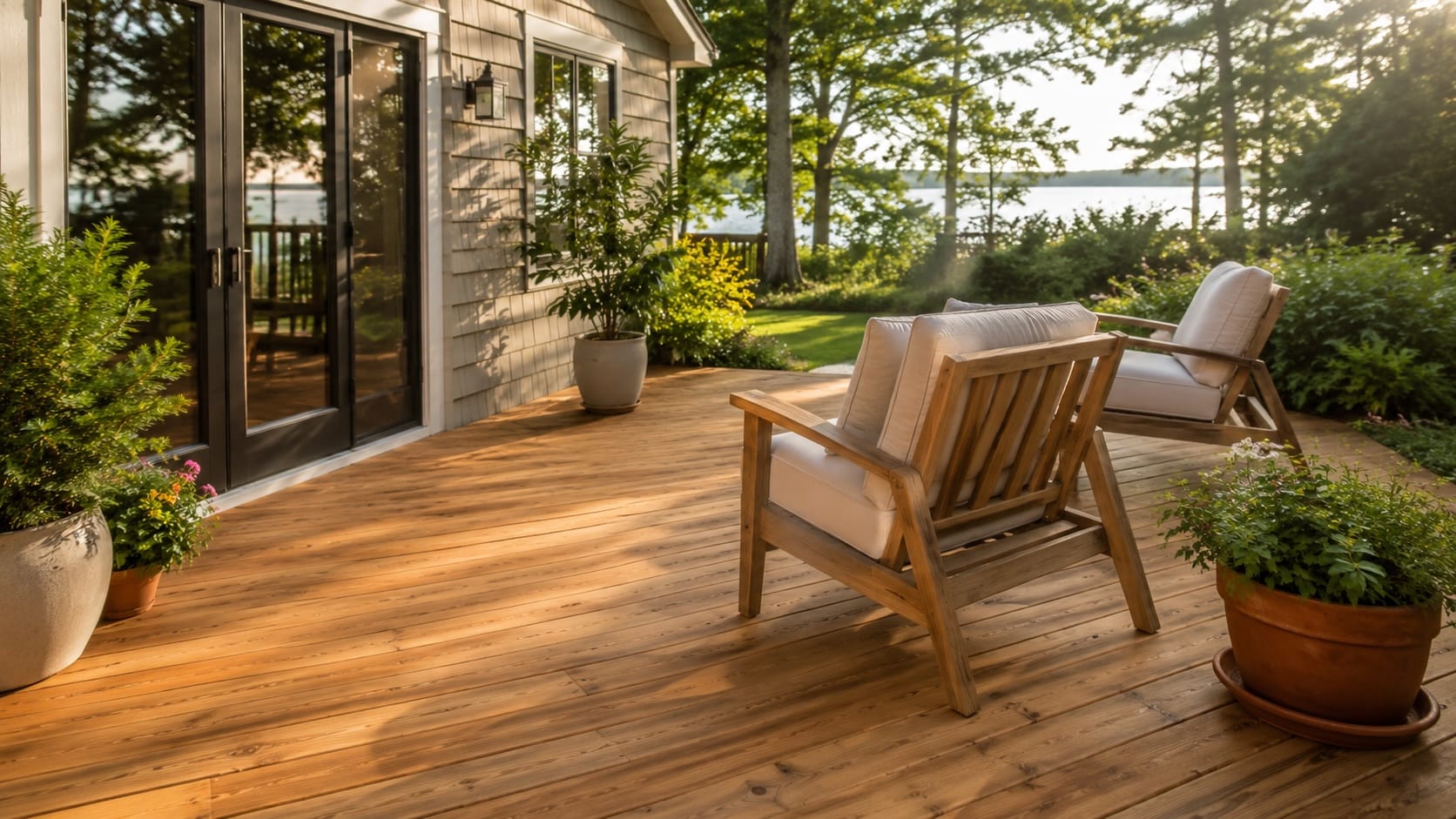
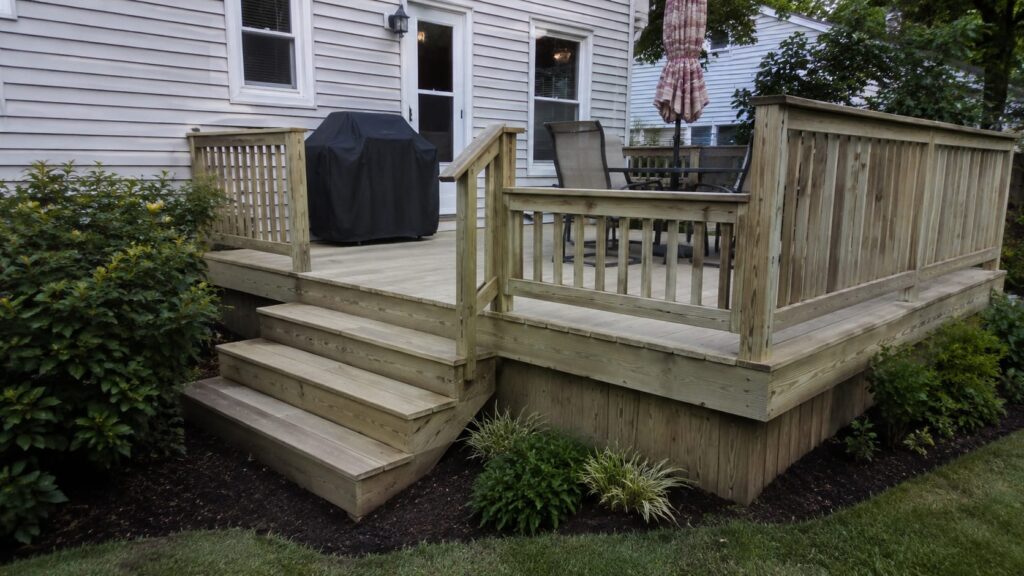
Wood decking usually has the lowest entry price for a raised deck, but it asks for more from you. Expect sealing, staining, or painting over time, plus some natural movement as boards dry out and weather. It can still be a smart choice if you want a classic look and you are willing to maintain it.
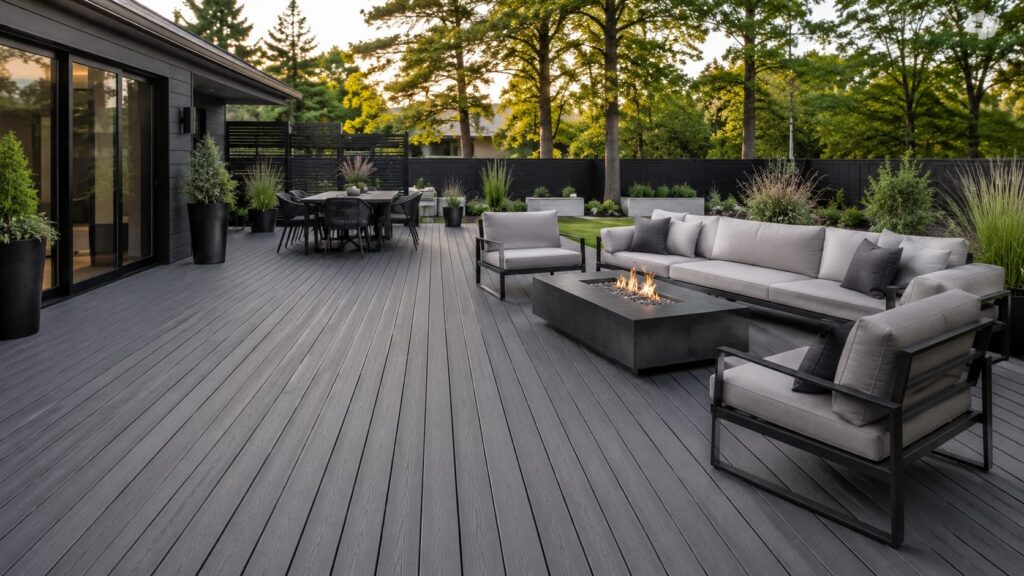
Composite decking costs more up front, often roughly $30 to $60 per square foot installed, but it usually needs less routine care. It resists rot and does not need staining. The trade-off is heat, color limits, and the fact that damaged boards are not always easy to blend in.
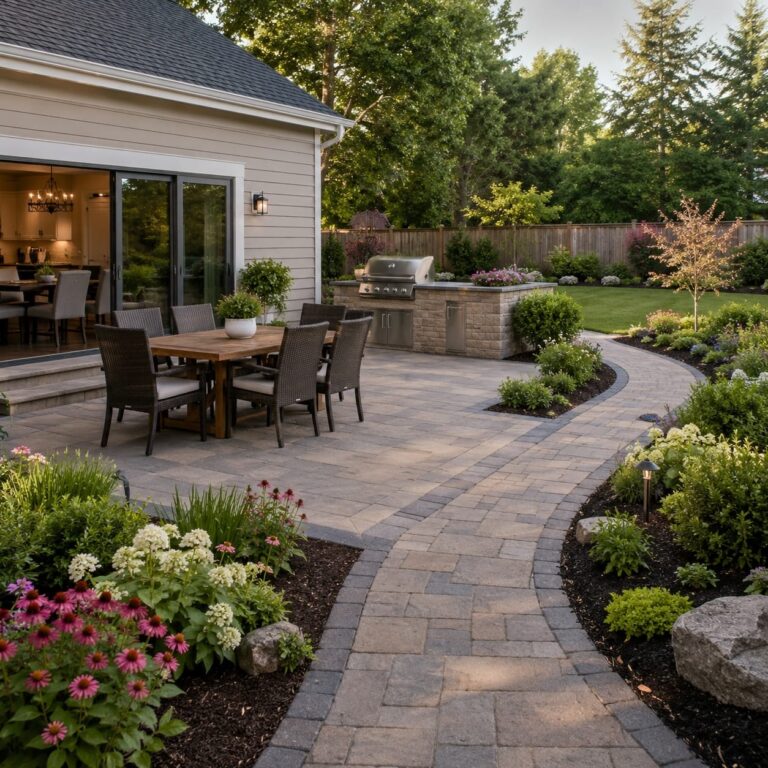
Patios built with concrete, pavers, or natural stone sit lower to the ground and often feel more stable under furniture. Concrete is usually the budget option. Pavers cost more, but they handle movement better and are easier to repair one section at a time. That matters after a hard freeze or a settling spot shows up.
If your yard has drainage issues, the cheapest surface is rarely the cheapest fix.
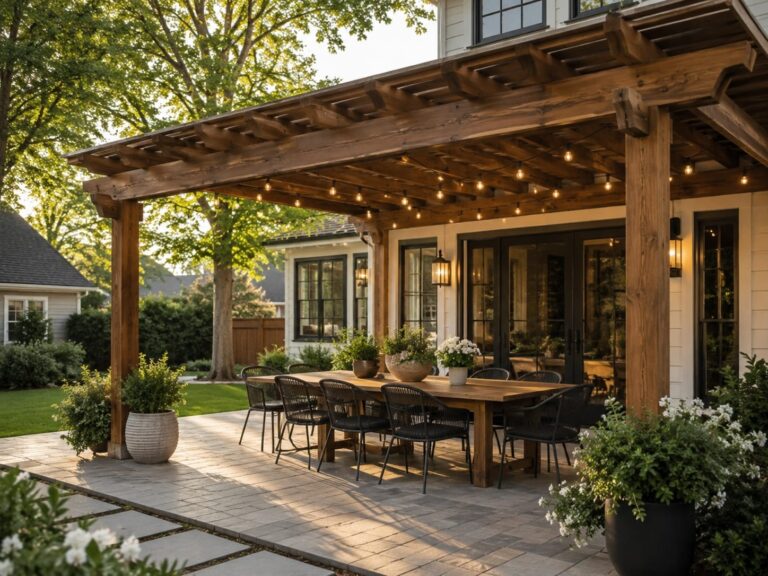
For an overhead structure, material choice changes again. Pressure-treated lumber can keep costs down, while aluminum or vinyl-clad options may cut maintenance. If you are still deciding on the shape of the project, the deck versus patio decision is worth sorting out before you compare finishes.
Think in three buckets: up-front cost, upkeep, and repairability. A material that is easy to patch can save you money even if the first quote is higher.
| Option | Typical cost | Best for |
|---|---|---|
| Pressure-treated wood deck | About $15 to $30 per square foot installed | Lower first cost, traditional deck look, owners who will maintain it |
| Composite deck | About $30 to $60 per square foot installed | Lower upkeep, busy family use, long-term value focus |
| Concrete patio | About $8 to $18 per square foot installed | Simple, durable ground-level space on a tighter budget |
| Paver patio | About $15 to $35 per square foot installed | Better repairability, stronger curb appeal, uneven yards |
Match material to climate and site
A material that works well in Phoenix can struggle in Minneapolis. Freeze-thaw cycles, heavy rain, coastal salt air, and long stretches of shade all change how a surface wears over time. Your yard’s climate matters as much as your budget.
In colder regions, water is the real enemy. If it gets into cracks and freezes, concrete can spall and pavers can shift. A well-built base and good drainage help more than a fancier finish. In wet or humid areas, wood needs more attention, and shaded spots can stay damp long enough to invite rot or slippery buildup. That is where “low maintenance” gets tested.
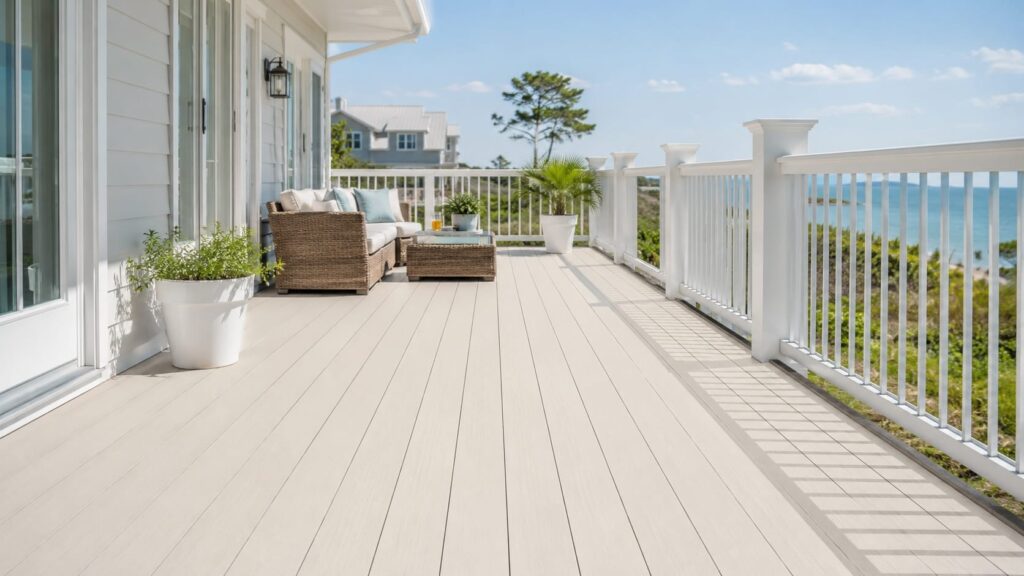
Sun exposure matters too. Dark composite boards can get hot under full afternoon sun, especially on a south-facing deck. Lighter colors and shaded layouts are easier on bare feet. In high-wind areas or open lots, lighter structures may need stronger fastening and more careful engineering. If you are comparing options across a few layouts, the deck versus patio decision starts to make more sense once climate enters the picture.
Soil and drainage shape the long-term result. Clay soil holds water. Sandy soil drains faster but may shift more. A patio or deck that sits on poor soil without the right prep can move, crack, or settle unevenly. Good drainage is not optional. It is part of the material choice.
A cheap surface over bad ground is still a bad project.
From the field
Two neighbors can ask for the same 12 by 16 foot deck and get very different numbers. One lot is flat, dry, and easy to reach with tools. The other has a slope, soft soil, and a narrow side yard that makes hauling materials slow. That is why I look at grade, drainage, access, and distance from the house before I talk about finish choices. The material matters, but the site usually decides how much labor the job really takes.
Understand what really drives cost
The sticker price on a deck, patio, or overhead structure only tells part of the story. A low material quote can still turn into a high project once you add framing, base prep, stairs, railings, and cleanup.
Labor often costs more than the surface itself. A simple concrete patio on open, level ground is usually cheaper to build than a raised deck with posts, footings, and railings. Once you need stairs, the price climbs. Same with tight access, steep grades, or a yard that needs excavation before anything can go in.
Framing matters too. For a deck, the hidden structure under the boards can drive a big share of the cost. Better framing, deeper footings, and stronger hardware help the project last, but they are not free. If you are comparing bids, ask what is included in the framing package and what is being treated as an upgrade.
- Base prep: grading, compacted stone, drainage work, and soil correction.
- Structure: footings, posts, beams, joists, and fastening hardware.
- Access: hauling materials through a side yard can add labor fast.
- Details: stairs, railings, trim, lighting, and skirting.
- Upkeep: sealing wood, resetting pavers, or replacing damaged boards later.
For a patio, the base is the make-or-break item. A thin base may look fine on day one and start moving after one hard winter. For a deck, the railing and stair package can change the budget more than the decking boards themselves. Ask for a line-item quote, not a lump sum, so you can see where the money is going.
Long-term upkeep should be part of the number you keep in your head. Wood usually needs more attention. Composite, pavers, and concrete each have their own trade-offs. the deck versus patio decision gets clearer once you price both the build and the maintenance.
A fair quote explains the site, not just the square footage. Two projects with the same size can land in very different price ranges if one needs more prep, more structure, or more finish work.
Check permits, HOA rules, and upkeep
Before you lock in a material, check the rules that can change the whole project. A raised deck, pergola, or covered structure may need a permit, especially if it has footings, railings, electrical work, or a roof. Some patios do not, but drainage changes or retaining walls can still trigger review.
HOA rules can be just as strict. They may limit color, height, railing style, or where the structure can sit in the yard. Do not assume a low-profile project gets a free pass. A simple-looking build can still need approval if it changes the home’s exterior appearance.
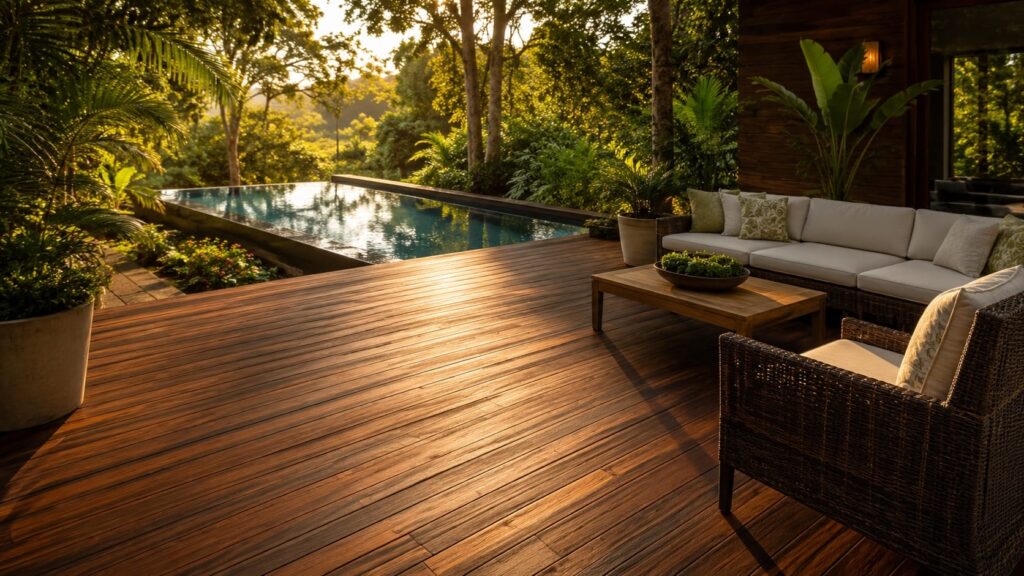
Maintenance is part of the material choice, not an afterthought. Wood usually needs sealing, staining, or board replacement over time. Composite cuts down on routine care, but it still needs cleaning and can scratch or fade. Concrete and pavers are durable, but joints, cracks, and settling may need attention after a few seasons. No material is truly zero-maintenance.
The best material on paper can be the wrong choice if your town, HOA, or future upkeep budget says otherwise.
If you want a covered area for shade or rain protection, compare it with the rest of your plan early. choosing between a pergola and a patio cover can affect permits, post size, and how much maintenance you take on later.
A good contractor should be able to tell you what needs approval, what does not, and what maintenance to expect in plain language. If they dodge those questions, that is a warning sign. Clear answers up front save money later.
Which material fits your project?
If you want the safest all-around choice, start with how long you plan to stay in the house. A material that looks good for five years is one thing. A material that still looks good after ten winters is another. Durability is not just strength, it is how well the surface handles sun, moisture, snow, and daily use without constant repairs.
For resale, buyers usually respond best to projects that look finished and easy to maintain. A clean paver patio, a solid wood deck with good upkeep, or a simple covered structure can all help. The wrong choice is the one that looks tired fast, like a wood surface that is already splitting or a patio that has settled unevenly. Cheap now can look expensive later.
Here is the practical way to think about it:
- Wood deck: good if you want a warmer look and accept sealing, staining, and board replacement over time.
- Composite deck: better if you want lower routine maintenance and a more consistent look, usually at a higher upfront cost.
- Patio with pavers or concrete: smart for ground-level spaces, especially if you want a durable surface with less framing.
- Pergola, gazebo, or cover: useful when shade matters more than a full roof, but posts, footings, and permits can add cost.
Match the material to the job, not the trend. A raised deck solves slope. A patio works well on flat ground. A structure adds comfort, but it also adds rules and upkeep. The best value is usually the one that fits your yard with the least forcing.
If a material needs a lot of extra work just to fit your site, the “better” option may be the more expensive mistake.
Does a more expensive material always last longer?
No, a higher price does not guarantee longer life. The installation matters just as much as the product. A well-built patio or deck with proper drainage, correct fasteners, and solid support can outlast a pricier system installed badly. Ask what protects the structure from water, movement, and sun damage.
What material gives the best resale value?
The best resale value usually comes from a project that looks clean, fits the house, and does not scare buyers with maintenance. In many neighborhoods, that means a low-maintenance deck, a well-drained patio, or a simple covered area. Overbuilding for the block can hurt more than help.
How do I choose between a deck and a patio?
Choose a deck if your yard slopes, your door sits above grade, or you need to build over uneven ground. Choose a patio if your site is flat and you want a lower-cost surface with less framing. The right answer often comes down to drainage, height, and how much structure your yard really needs.
What material is easiest to maintain?
Composite decking and well-installed concrete or pavers are usually easier to live with than wood. Wood needs more regular attention, especially in wet or sunny climates. Even low-maintenance options still need cleaning and occasional repairs, so the real question is how much upkeep you are willing to handle each season.
Should I pick the cheapest material and upgrade later?
Usually no, because the base, framing, and layout are harder to change later than the finish surface. If your budget is tight, it is smarter to build the right size and shape first, then choose a simpler finish. A solid small project is better than a larger one that starts failing early.