Your siding looks tired, but the real question is which fix gives you the biggest visible return without draining this year’s budget. Paint can freshen a house fast. New cladding can solve deeper wear. New siding sits in the middle, with more cost and more payoff if the old skin is failing.
The mistake is treating all worn exteriors the same. A house with sound boards and faded color needs a different answer than one with rot, swelling, or constant peeling. Good curb appeal starts with honest damage control.
If the surface is still doing its job, refresh it. If it is letting water in, you are past cosmetics.
That choice matters more when you are trying to protect resale value and avoid financing a project you do not need. The right move is the one that matches the house’s condition, your climate, and what you can realistically spend this year.
The fastest way to improve curb appeal
If your exterior is structurally sound, paint is usually the fastest visual win. Fresh color, clean trim, and crisp lines can make an older house look cared for in a weekend or two, especially when the siding itself is still flat, dry, and holding paint.
That said, paint is only a smart move when the surface is ready for it. If you have soft wood, bubbling paint, cracked panels, or water stains around windows, you are covering up a problem, not fixing it. That gets expensive later.
New siding makes sense when the existing exterior is beyond routine repair. Think repeated peeling, warped boards, rot near the bottom edge, or materials that have already been patched more than once. It costs more, but it can remove a lot of maintenance debt and improve resale appeal in one shot.
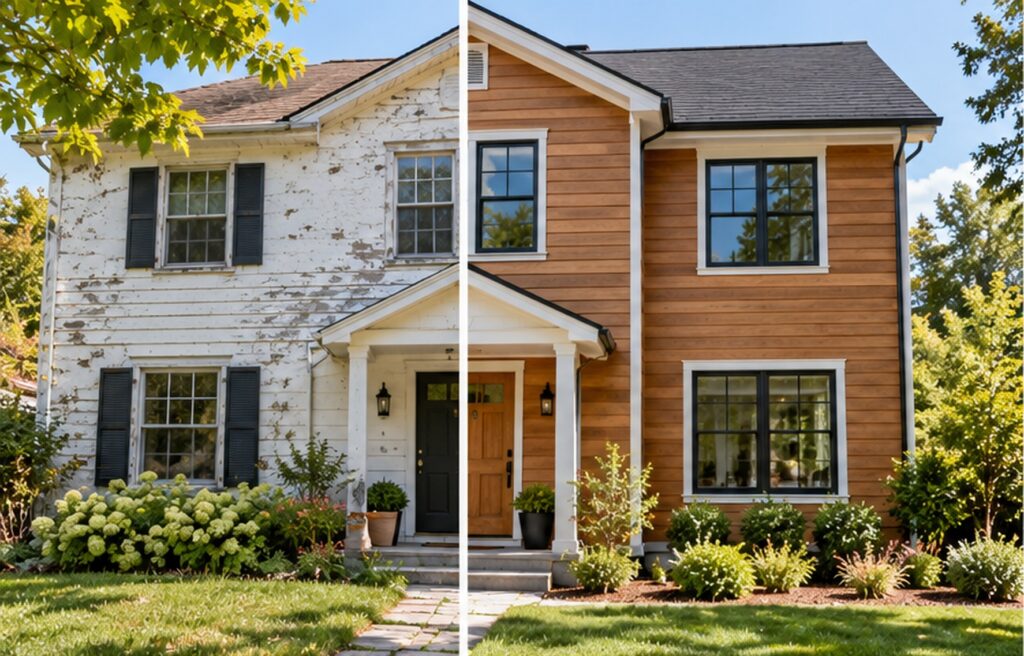
Cladding sits in a different lane. It can give a home a more modern look and add protection, but it usually costs more than paint and often more than a basic siding refresh. If you are trying to stay within this year’s budget, it is the option to compare carefully against the actual condition of what is already on the house.
The cheapest option is not the one with the lowest invoice, it is the one that does not force you to redo the work next year.
A practical way to choose is simple:
- Choose paint if the surface is sound and you want the biggest cosmetic change for the least money.
- Choose siding repair or replacement if you see rot, warping, or moisture damage that keeps coming back.
- Choose cladding if you want a stronger design change and the budget can handle a bigger project.
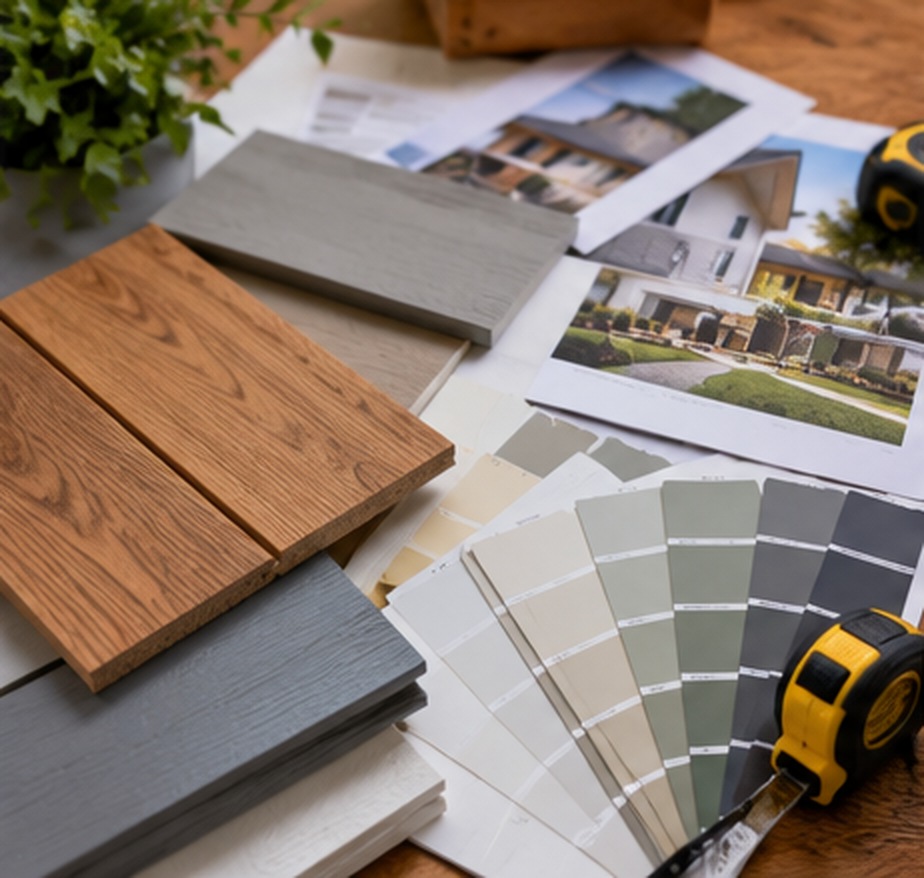
If you are trying to stretch dollars, focus first on the visible front elevation and pair the exterior work with small fixes like trim, shutters, and cleanup. That approach often beats a half-finished remodel. For more ideas, see improving curb appeal on a budget and the broader home exterior improvement guide.
Key takeaways
- Use paint when the siding is sound and you mainly need a fresh first impression.
- Replace or repair siding when moisture damage keeps returning after patch jobs.
- Choose cladding only if the budget allows a bigger change and better long-term protection.
How siding, paint, and cladding differ
Paint changes the color and finish of the surface you already have. It is the lightest refresh, and it works best when the siding is still solid, dry, and worth keeping.
Siding is the outer layer of the house itself. If the boards, panels, or shingles are worn out, cracked, swollen, or rotted, siding repair or replacement deals with the problem at the source instead of hiding it.
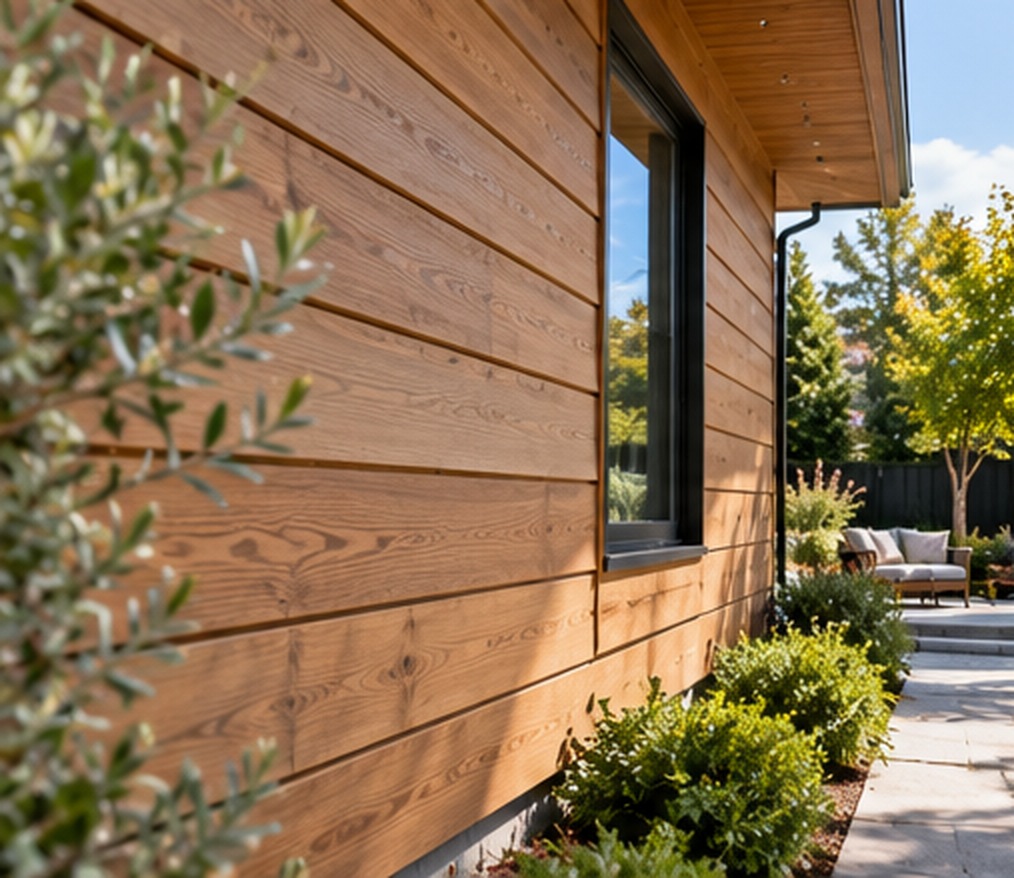
Cladding is an added outer covering placed over the existing wall or structure. Homeowners use it to change the look, improve protection, or create a more upscale finish. It is usually the biggest step of the three.
That difference matters because each option solves a different problem. Paint is for appearance. Siding is for worn materials. Cladding is for a larger design or protection upgrade.
If the surface is still doing its job, paint can buy you time. If the wall is failing, you need a real exterior fix.
For a homeowner working on a budget, the decision usually comes down to how much life is left in the current exterior and how much visible change you need this year. A house with sound siding and faded color may only need paint and trim cleanup. A house with repeated peeling, soft spots, or water stains is telling you something different.
That is why the right choice is not always the biggest project. Sometimes the smartest move is the smallest one that still addresses the actual condition of the house. If you are also weighing broader updates, the home exterior improvement category can help you compare options without jumping straight into a full remodel.
Before you decide, walk the front of the house in daylight and check the lower edges, window trim, and any spot that gets hit by roof runoff. Those are the places where paint fails first and siding problems usually show up.
What each option usually costs
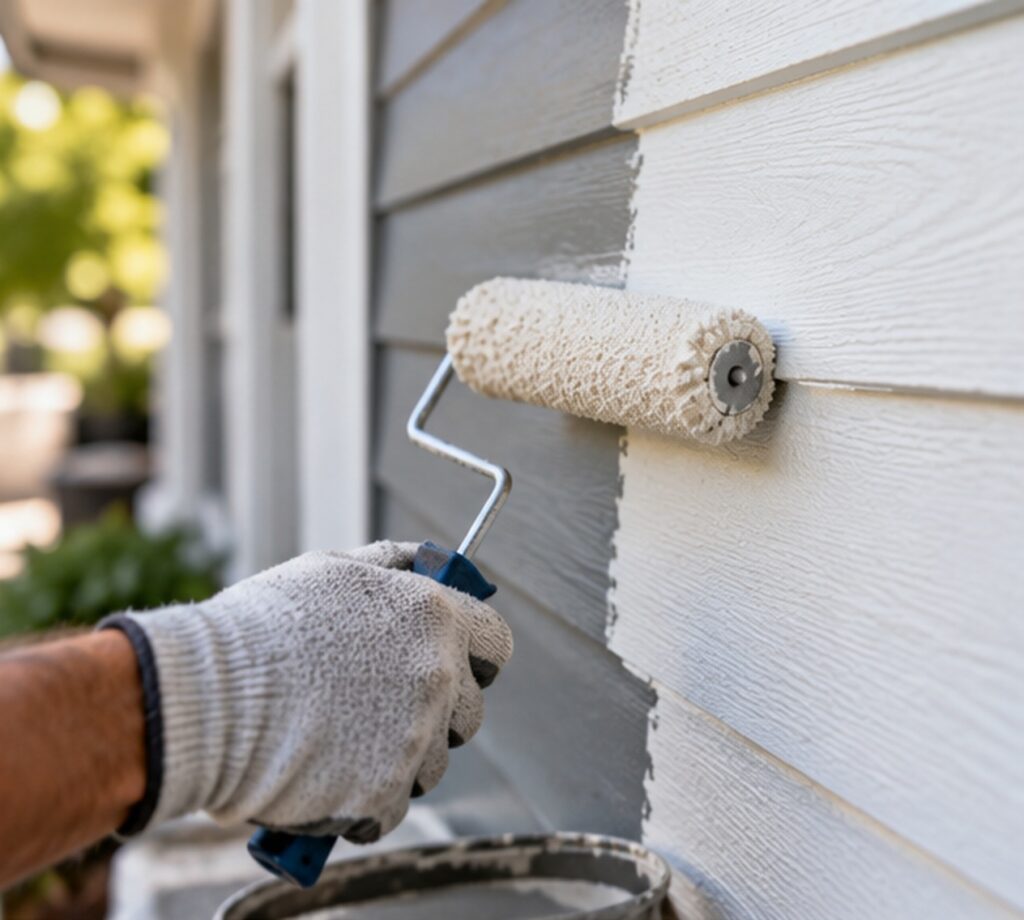
For most homeowners, the price gap between these choices is the whole decision. Paint is usually the lowest upfront cost, especially if you are doing a modest front elevation or hiring a crew for a simple house. The catch is prep. Scraping, sanding, caulking, and primer can take as much time as the finish coat.
Siding repair or replacement usually costs more because you are paying for materials, labor, and often disposal of the old exterior. Small repairs may fit a limited budget, but full replacement can move into the several-thousand-dollar range fast, depending on square footage and material. If the house has water damage, though, that money is buying you fewer surprises later.
Cladding tends to sit at the higher end. It can make sense on a home that needs a stronger design update or better weather protection, but it is rarely the first pick for a tight budget. You also need to plan for more prep and more coordination, especially if the work changes the wall thickness or trim details. That can affect doors, windows, and flashing.
A low bid can be misleading if it skips prep. On exteriors, prep is where a lot of the value lives.
Maintenance matters too. Paint needs the most frequent upkeep, especially in harsh sun, wet climates, or freeze-thaw areas. Siding and cladding can cost more at the start, but they may reduce your repaint cycle and cut down on patchwork. That is why a homeowner in a tough climate often thinks in years, not just this season.
If you are mapping out what fits this year, start with the surface condition, then match it to your budget. A sound exterior with faded color is a different job than a wall with soft spots or recurring peeling. If you are still sorting through options, improving curb appeal on a budget can help you stretch a smaller spend.
| Option | Typical cost | Best for |
|---|---|---|
| Paint | About $2,000 to $8,000 for many homes, less for small touch-ups | Sound siding that mainly needs a fresh look |
| Siding repair | A few hundred dollars to several thousand, depending on damage | Localized rot, cracks, or warped sections |
| Siding replacement | Often $8,000 to $25,000 or more | Widespread wear or repeated moisture problems |
| Cladding | Often $15,000 to $40,000 or more | Bigger design change and added protection |
When a field fix is enough
On a lot of houses, you do not need a full siding job to make the front look cared for. A good wash, fresh caulk, and a few repaired boards can carry a home a long way if the surface is still solid. That is especially true when the problem is mostly dirt, chalking paint, or old sealant that has shrunk at the joints.
Cleaning makes sense when the siding is intact but dull. Caulking helps when gaps are open around trim, windows, and small seams. Spot repair is the move when you have a cracked board, a loose panel, or a small area of rot that stops at the surface. That is repair work, not a rescue mission.
If the damage stays local, fix the problem and leave the rest alone. Replacing good material just because one corner looks tired is money you do not get back. A homeowner with a limited budget usually gets more visible value from careful prep and paint than from chasing a full tear-off too early.
- Use cleaning when the finish is dirty, faded, or mildew-stained.
- Use caulk when joints are open but the surrounding material is still firm.
- Use spot repair when the issue is small, stable, and easy to isolate.
- Use repainting when the siding is sound but the color has gone flat.
If you are trying to stretch one year of home improvement money, this is where discipline pays off. Keep the surfaces that are still doing their job, fix the weak points, and save replacement for the areas that are actually failing. That approach usually gives you the cleanest look for the least cash.
A house can look tired for years before it is truly worn out. The trick is knowing the difference between cosmetic aging and real failure.
From the field
The best exterior money is usually spent on the parts you do not notice from the street. If the gutters overflow, the drip edge is short, or water is running behind the trim, fresh paint will not hold for long. I have seen homeowners repaint the same wall twice because the leak was never fixed. Get the drainage and roof edge right first, then the finish work lasts instead of peeling back with the next storm.
Signs you should replace instead
Some exteriors are past the point where another coat of paint makes sense. If the siding is soft, swollen, or pulling away from the wall, the problem is usually deeper than color. That is especially true after years of water getting in behind the surface.
Rot near the bottom edges, around windows, or at rooflines is a red flag. So is repeated peeling in the same spots, even after good prep. If paint keeps failing on one wall, there is usually a moisture path behind it that needs to be fixed first.
Warped panels are another clue. A board that cups, bows, or no longer sits flat can point to heat damage, trapped moisture, or poor fastening. Paint will not straighten a wall.
Watch for these signs:
- Soft wood that gives when pressed with a screwdriver.
- Cracks, gaps, or seams that keep opening after caulking.
- Stains that come back after cleaning and drying.
- Panels that buckle, ripple, or pull loose in more than one area.
- Peeling paint that returns within a year or two.
If the damage is spread across several sides of the house, replacement starts to make more sense than patchwork. The same goes for homes where moisture has already reached the sheathing or framing. At that point, you are not just improving curb appeal, you are protecting the structure.
For homeowners trying to stay on budget, this is the hard call. A few isolated repairs may be enough, but widespread failure usually means you are spending money twice. If you are still weighing a smaller refresh against a bigger project, improving curb appeal on a budget can help you sort the quick wins from the jobs that need real replacement.
When the wall keeps failing in the same place, the surface is usually telling you the truth.
Questions homeowners ask first
Most exterior decisions come down to three things: how tired the house looks, how much maintenance you can handle, and what your local rules allow. A simple paint job can be the smartest move on a sound wall. Replacement makes sense when the surface is failing, not just faded. That difference saves a lot of regret.
Is paint enough to improve resale value?
Yes, if the siding is still solid and the problem is mostly color, chalking, or minor wear. Fresh paint can make a house read as cared for from the curb, which matters to buyers. It will not fix rot, warped boards, or moisture damage, so use it on a sound shell, not on a wall that is already failing.
Will new siding give a bigger return than repainting?
Sometimes, but only when the old siding is too far gone or looks uneven across the whole house. New siding can help a home feel more current, yet it costs far more and may not pay back dollar for dollar. If your budget is tight, paint usually gives the better short-term visual return.
Do HOA rules affect what I can do?
Yes. Many HOAs control color, material, sheen, and even trim details. Some require approval before you paint or replace siding, and some limit cladding choices. Check the rules before you buy materials. Changing the exterior first and asking later is a bad bet.
Do I need a permit for siding or cladding work?
Often, yes, especially for full replacement, structural repairs, or changes that affect fire ratings and moisture barriers. Simple painting usually does not need a permit, but local rules vary. If you are replacing damaged sections near windows, roofs, or framing, call the building department before work starts.
Does climate change the best choice?
Absolutely. Sun-heavy climates punish paint faster, while wet or freeze-thaw regions can expose weak siding joints and hidden rot. In humid areas, trapped moisture matters more than color. In colder zones, repeated expansion and contraction can open seams. The right choice depends on what your house has been dealing with year after year.
The best-looking exterior is the one that matches the house underneath it, not the one that only looks good for one season.