Your older home probably does not need a full makeover, it needs the right visible fixes in the right order. A fresh look comes fastest from the parts people see first, the front door, trim, lighting, and any worn surfaces that make the house feel dated.
The hard part is that budget dollars disappear fast on repairs you cannot see from the curb. Rot, peeling paint, cracked walkways, and tired gutters all matter, but they do not always change the look of the house much. That is where a lot of homeowners get stuck.
A modern-looking exterior usually comes from fewer materials, cleaner lines, and less visual clutter, not from buying the most expensive finish.
The goal is to spend on the updates that make the biggest difference from the street, while keeping one eye on resale, HOA rules, and the repairs that keep getting more expensive if you wait.
Start with the changes people notice first
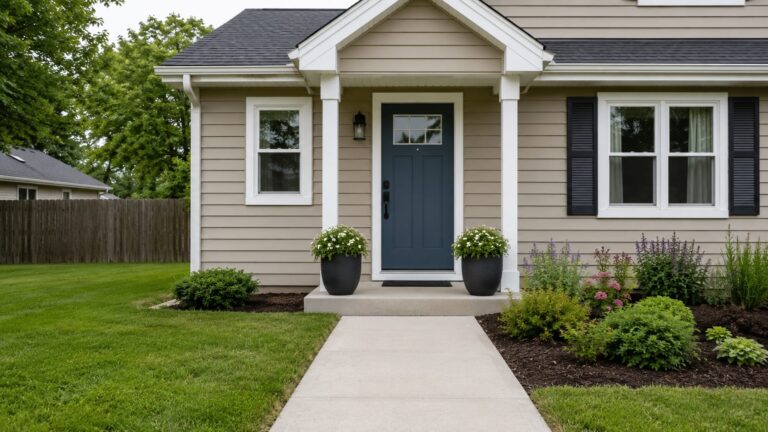
If your budget is tight, spend where the eye lands from the street. The front door, porch light, trim color, and the edge of the planting bed usually do more for first impressions than a bigger project hidden around the side.
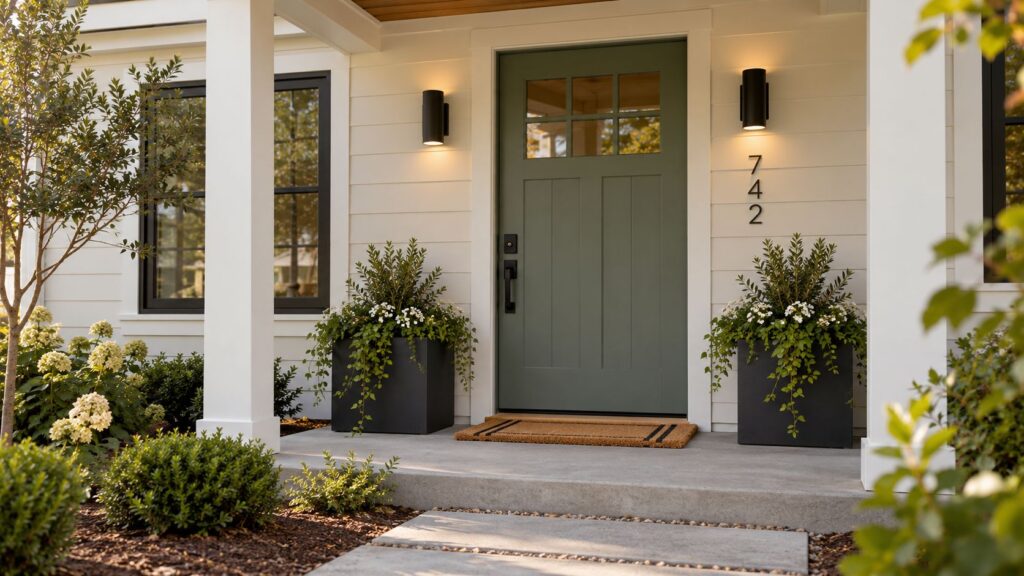
A tired door can make the whole house feel older. A clean coat of paint, new hardware, and a solid house number are small jobs, but they change the entry fast. If the door is in good shape, this is one of the best places to put a few hundred dollars instead of a few thousand.
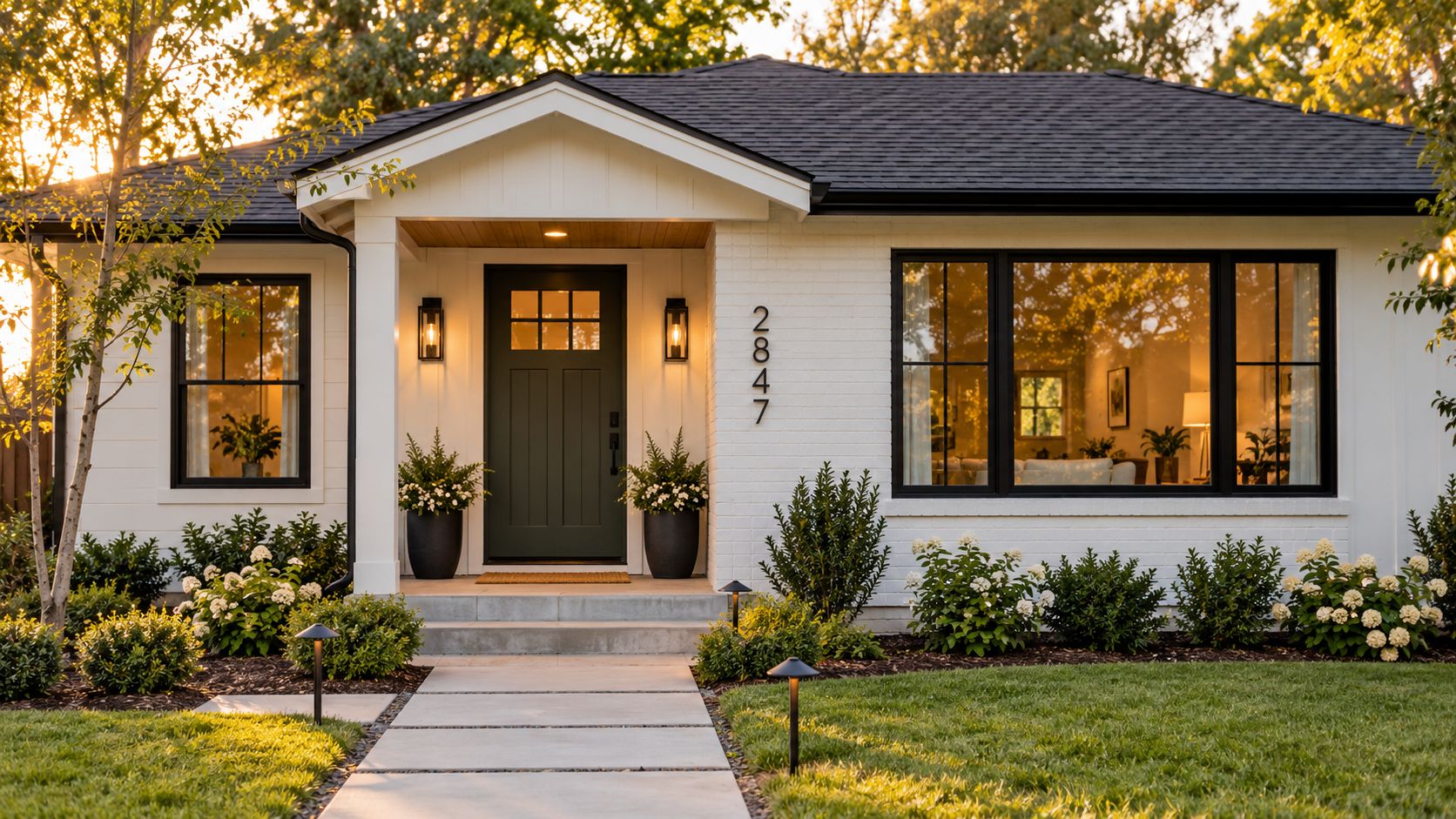
Lighting matters for the same reason. A dated fixture or one burned out for months sends the wrong message. Swap in simple fixtures with clean lines, and make sure the bulbs are the same color temperature on both sides of the entry. Mixed lighting makes a house look patched together.
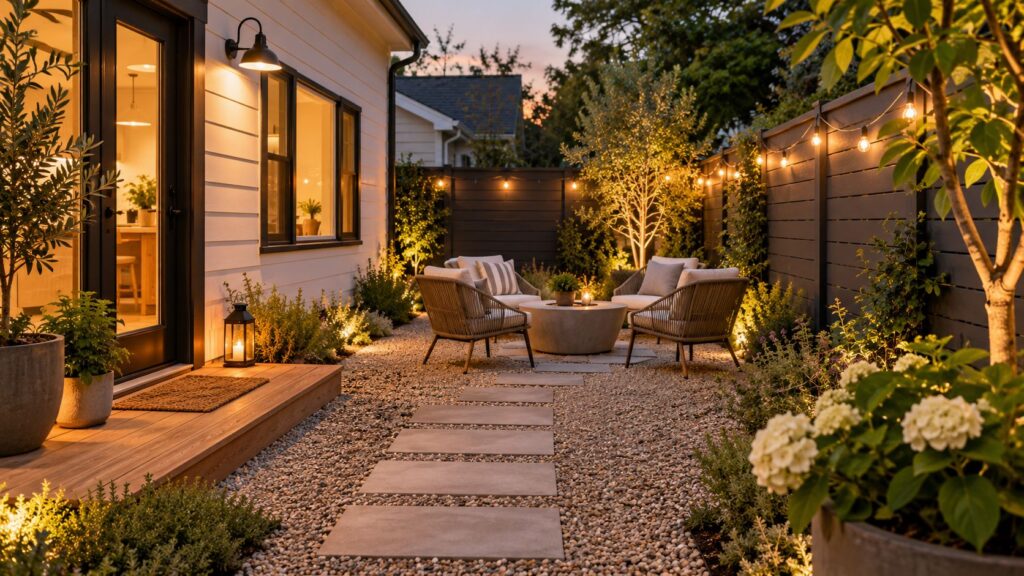
Trim is next. Peeling fascia, faded shutters, and messy caulk lines draw attention because they break up the home’s shape. Fresh trim paint in a crisp white or a muted contrast color can make older siding look cleaner without changing the structure. If you need help deciding what to skip and what to fix first, improving curb appeal on a budget is a good place to sort that out.
The cheapest way to modernize an older exterior is usually to reduce visual noise, not add more things.
Landscaping edges do the same kind of work. A sharp line between lawn and bed, trimmed shrubs, and a few feet of fresh mulch make the property look maintained. You do not need a full redesign. You need clear edges, healthy plant spacing, and nothing blocking the front windows or walkway.
Before you spend on decorative upgrades, check the basics around the entry. If a porch rail is loose, a step is cracked, or water pools by the foundation, fix that first. Clean details matter, but so does showing buyers and neighbors that the home is cared for.
Key takeaways
- Paint the front door first if it is faded, scratched, or visually lost.
- Use matching, simple light fixtures to make the entry feel cleaner and newer.
- Sharp bed edges and trimmed shrubs improve curb appeal faster than extra decor.
Use color and contrast to modernize
Older homes often look dated because the colors fight each other. Too many trim colors, busy shutters, and mismatched accents make the exterior feel heavier than it needs to be. A tighter palette usually fixes that faster than a bigger project.
Start by limiting the house to one main body color, one trim color, and one accent color for the door or hardware. That simple setup works on brick, siding, stucco, and wood. It also makes the house read as one clean shape instead of a bunch of separate parts.
High contrast can help, but it has to be used with restraint. Crisp white trim on a dark body color feels current. Soft gray trim on beige siding can work too. What usually looks tired is strong contrast everywhere, especially when shutters, gutters, and porch details all shout at once.
Modern exterior color schemes usually feel calmer, not louder.
If your home has decorative trim that does not serve much purpose, paint it to blend in. If the windows, fascia, and soffits are already simple, keep them that way. Clean lines matter more than trendy color names. Busy color choices make older details stand out in the wrong way.
For many homes, the safest move is to keep the body neutral and use one stronger accent at the front door. That gives you a current look without risking a full repaint that feels too trendy next year. If you are sorting out where to spend first, improving curb appeal on a budget can help you weigh color against other visible fixes.
Before you choose paint, check the roof color, stone, brick, and neighborhood style. Those fixed materials set the limits. A good palette works with what is already there, not against it. That is how you make an older house feel more current without making it look overdone.
Compare low-cost updates by impact
Once the front entry is under control, the next step is choosing the fix that gives you the most visible return for the money. A full exterior repaint may sound appealing, but it is not always the smartest first move. Some updates change how the house reads from the street without draining your budget.
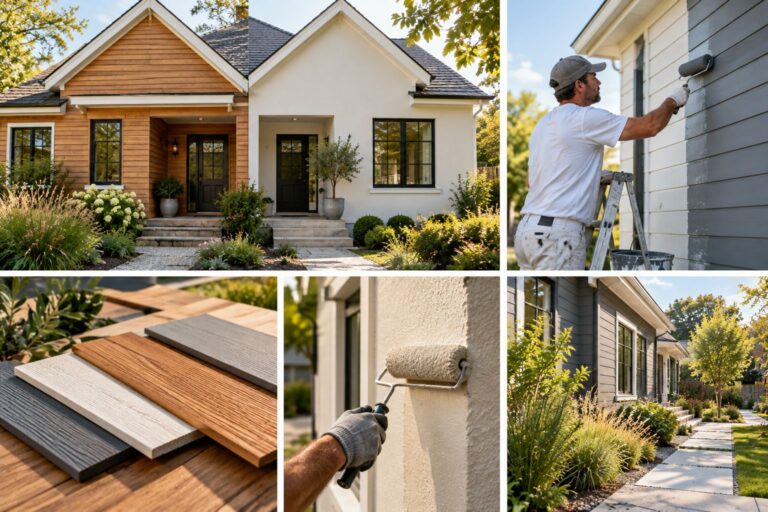
Simple maintenance usually gives the best value. Power washing, fresh caulk, and repainting trim can make an older home look cared for right away. These jobs do not change the layout, and that is the point. They clean up the details people notice at a glance.
Paint has a bigger visual payoff, but it also takes more time and money. If the siding is in decent shape, repainting the body or just the trim can be enough. If the paint is failing everywhere, though, you may be paying to cover up repairs that should come first. There is no shortcut around rotten wood.
Landscaping is another place where modest spending goes a long way. A few shrubs, fresh mulch, and cleaner bed lines can frame the house better than a pile of decor ever will. For homeowners trying to stretch a limited budget, improving curb appeal on a budget can help you sort the quick wins from the nice-to-haves.
The best low-cost project is the one that removes age, wear, or clutter without creating new maintenance.
If you are deciding between projects this year, think in this order: fix damage, clean what is dirty, then update what still looks dated. That keeps you from spending money on cosmetics while water, rot, or failed caulk keep getting worse.
| Option | Typical cost | Best for |
|---|---|---|
| Power washing and cleanup | $150 to $500 | Fast visual lift before listing or hosting guests |
| Trim paint and caulk touch-ups | $300 to $1,200 | Older homes with peeling edges or faded details |
| Front walk and bed cleanup | $200 to $1,000 | Homes with messy edges, overgrown shrubs, or weak curb appeal |
| Exterior repaint of a section or whole house | $1,500 to $6,000+ | Homes with good structure but tired color or worn finish |
Fix the details that make homes feel dated
Some homes look old because of the big stuff. Others look old because of a handful of small parts that do not match, sag, or shine in the wrong way. That is good news if your budget is tight, because these details are often cheaper to correct than siding or windows.
Shutters that are too small, too wide, or purely decorative can age a front elevation fast. So can house numbers that are hard to read from the street, porch lights that belong on a garage, and door hardware that has seen better days. These are small items, but they carry a lot of visual weight.
If your gutters are bent, stained, or a different color from everything else, they pull attention for the wrong reason. Mismatched fixtures do the same thing. A black mailbox, brushed nickel door handle, and faded brass light all on one front porch can make the entry feel pieced together instead of intentional.
Start with the parts people see in a few seconds:
- Replace bent or rusty house numbers with clean, easy-to-read ones.
- Swap out one or two porch lights if they are too ornate or badly faded.
- Remove shutters that do not fit the windows, or repaint them so they blend better.
- Touch up gutters, downspouts, and trim where peeling paint makes the edge look tired.
- Match front door hardware and mailbox finish if the old pieces clash hard.
You do not need a full design overhaul to make a house feel more current. You need fewer visual interruptions. One clean finish, one consistent metal color, and one readable front entry can do more than a pile of decorative extras.
If you are planning these fixes alongside other projects, keep the work in order and avoid spending twice on the same area. For a broader view of what pairs well with these updates, home exterior improvements can help you compare the visible fixes with the structural ones.
A front elevation usually looks dated because of cluttered details, not because every part is old.
From the field
The highest-return exterior work is rarely the flashy work. If the gutters are leaking, the roof edge is soft, or water is running behind trim, that damage keeps moving no matter how nice the paint looks. I have seen homeowners repaint a wall, then have to open it back up a couple of years later because the real problem was never addressed. Fix the water first, then the finish work lasts.
Plan updates around budget and local rules
Once you know what looks tired, line up the work in the order that protects your money. Start with anything that keeps water out, then handle paint, fixtures, and other visible updates. That keeps you from spending on finish work before the house is sound.
Check the rules before you buy materials. HOA neighborhoods often limit paint colors, fence styles, light fixtures, and even mailbox changes. Some towns also require permits for decks, porches, new windows, or exterior electrical work. A five-minute call can save you from tearing out work later.
Climate matters too. In wet regions, paint and caulk fail faster if surfaces stay damp. In hot sun, dark finishes can fade and certain vinyl or composite parts move more. If you live where winters are rough, look for materials that handle freeze-thaw cycles without cracking. Your local weather will outlast your paint choice.
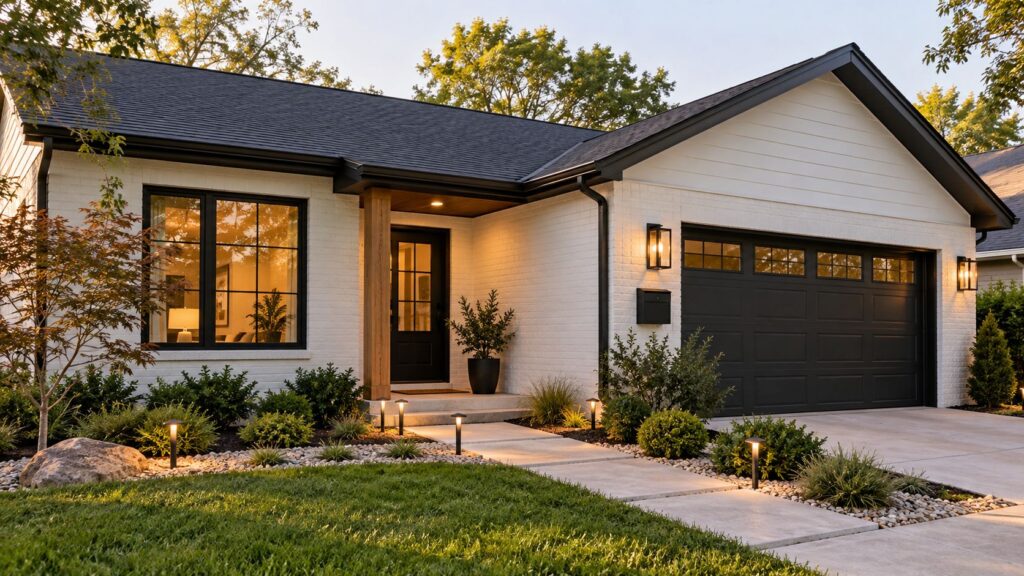
If you are working with a limited budget, stop before the project starts to sprawl. A good rule is to finish the front entry, trim, and one visible side before moving to less noticeable areas. That gives you a clean result without chasing every surface on the house.
Use this order when the budget is tight:
- Repair leaks, rot, loose trim, and failed caulk.
- Confirm HOA rules and permit needs.
- Choose one paint color family and one metal finish.
- Update the front entry first, then the most visible elevations.
- Leave low-visibility repairs for a later season if they are sound for now.
Stop when the house looks coordinated. You do not get extra resale value just because every part is new. Clean lines, matched finishes, and no obvious damage usually do more than another round of add-ons.
The smartest budget is the one that fixes what is failing, then quits before the house starts collecting expensive extras.
If you want a bigger picture before you commit, planning an exterior renovation can help you sort the work into practical stages.
What should you fix first?
Start with the things that protect the house, then move to the parts people see from the street. Water damage, rotted trim, failed caulk, and loose flashing should come before any paint or decorative change. If a surface is soft or leaking, a cosmetic update just covers a problem for a while.
After that, fix the biggest visual distractions. On older homes, that usually means mismatched trim, worn front doors, tired porch lights, and heavy or broken shutters. You do not need to modernize every inch at once. One clean front entry can shift the whole look.
A practical order is simple:
- Repair leaks, rot, and peeling areas that expose bare wood.
- Clean, repaint, or replace the front door and nearby trim.
- Swap dated light fixtures, numbers, and hardware if they clash.
- Unify color choices so the house reads as one design, not a collection of fixes.
- Leave low-visibility areas for later if they are stable and dry.
A house usually looks outdated because of worn details and mixed finishes, not because it lacks one big expensive feature.
If you are trying to modernize without a full renovation, focus on restraint. Fewer colors, cleaner lines, and less visual clutter usually help more than adding new trim or extra decoration. That is especially true on older homes with good bones but tired surfaces.
How to make an old house exterior look modern?
Use a simple color palette, clean up the entry, and remove anything that looks fussy or mismatched. Straight lines and consistent finishes make an older home feel more current. A fresh front door, updated lights, and repaired trim can change the first impression without touching the whole exterior.
What devalues a house the most?
Visible damage and deferred maintenance hurt value fastest. Rot, roof issues, peeling paint, broken gutters, and water stains tell buyers the house may need more work than they can see. Outdated style matters, but damage suggests real costs. That usually gets more attention than cosmetic age.
What makes a home look outdated?
Too many competing materials, heavy trim, faded finishes, and old-fashioned fixtures make a home feel stuck in another decade. Small details matter a lot. Shutters that do not fit, brass hardware that clashes, and dark, worn paint all add up quickly. The eye reads that as neglect, even if the structure is fine.
How to make an old house look modern without renovation?
Update the parts you can reach without opening walls. Paint trim and siding in a tighter palette, replace dated lights and hardware, clean the exterior well, and remove clutter near the entry. If the house is sound, these low-cost changes can make it feel more current without financing a larger project.