A small or medium backyard can feel tricky at first. You want a place to relax, maybe eat outside, grow a few plants, let the kids or dog move around, and still avoid making the space feel crowded. That is a lot to ask from one yard.The good news? A beautiful backyard does not need to be huge. In fact, smaller yards often become the most comfortable outdoor spaces because every corner has a purpose. With the right layout, smart planting, good lighting, and a few practical design choices, your backyard can feel bigger, calmer, and much more useful. 🌿This guide walks through backyard design ideas for small and medium-sized homes, with realistic tips for American homeowners who want style, comfort, and everyday function without overcomplicating the project.
Quick Summary
A small or medium backyard works best when each zone has a clear job: relaxing, dining, planting, playing, or storage. Focus on scale, traffic flow, shade, privacy, and low-maintenance materials before buying furniture or plants.
- Start with function: decide how you want to use the backyard before choosing decor.
- Use smart zoning: patios, paths, planters, rugs, and lighting can separate spaces without walls.
- Keep maintenance realistic: choose plants, surfaces, and features that fit your climate and schedule.
🌿 Start With How You Actually Use the Backyard
Before thinking about pavers, pergolas, fire pits, or furniture, ask a simpler question: what do you want the backyard to do?
For some homeowners, the backyard is mostly a quiet place for morning coffee. For others, it is a family hangout, a dog-friendly space, a weekend grilling zone, or a low-maintenance garden. A yard that looks great in photos can still feel frustrating if it does not match daily life.
For most small and medium-sized homes, it helps to choose two or three main priorities. Trying to fit everything into a limited space usually creates clutter. A compact yard with a dining corner, privacy planting, and a small lawn may work better than a yard squeezed with a fire pit, play area, garden beds, storage shed, oversized sectional, and outdoor kitchen.
Think about:
- Daily use: coffee, reading, pets, kids, gardening, or quick meals outside.
- Weekend use: grilling, entertaining, games, or relaxing with friends.
- Maintenance level: do you enjoy yard work, or do you want something easy?
- Privacy needs: nearby neighbors, street views, or second-story windows.
- Climate: hot summers, cold winters, heavy rain, drought, wind, or shade.
Once those answers are clear, design decisions become much easier.
📐 Use Zones to Make a Small Backyard Feel Bigger
One common mistake is treating a small backyard as one open leftover space. Surprisingly, dividing it into smaller zones can make it feel larger because the eye has places to land.
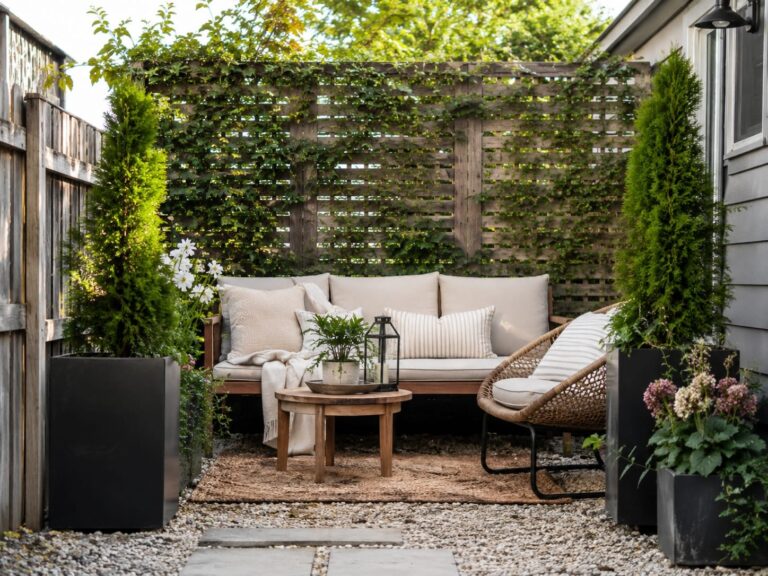
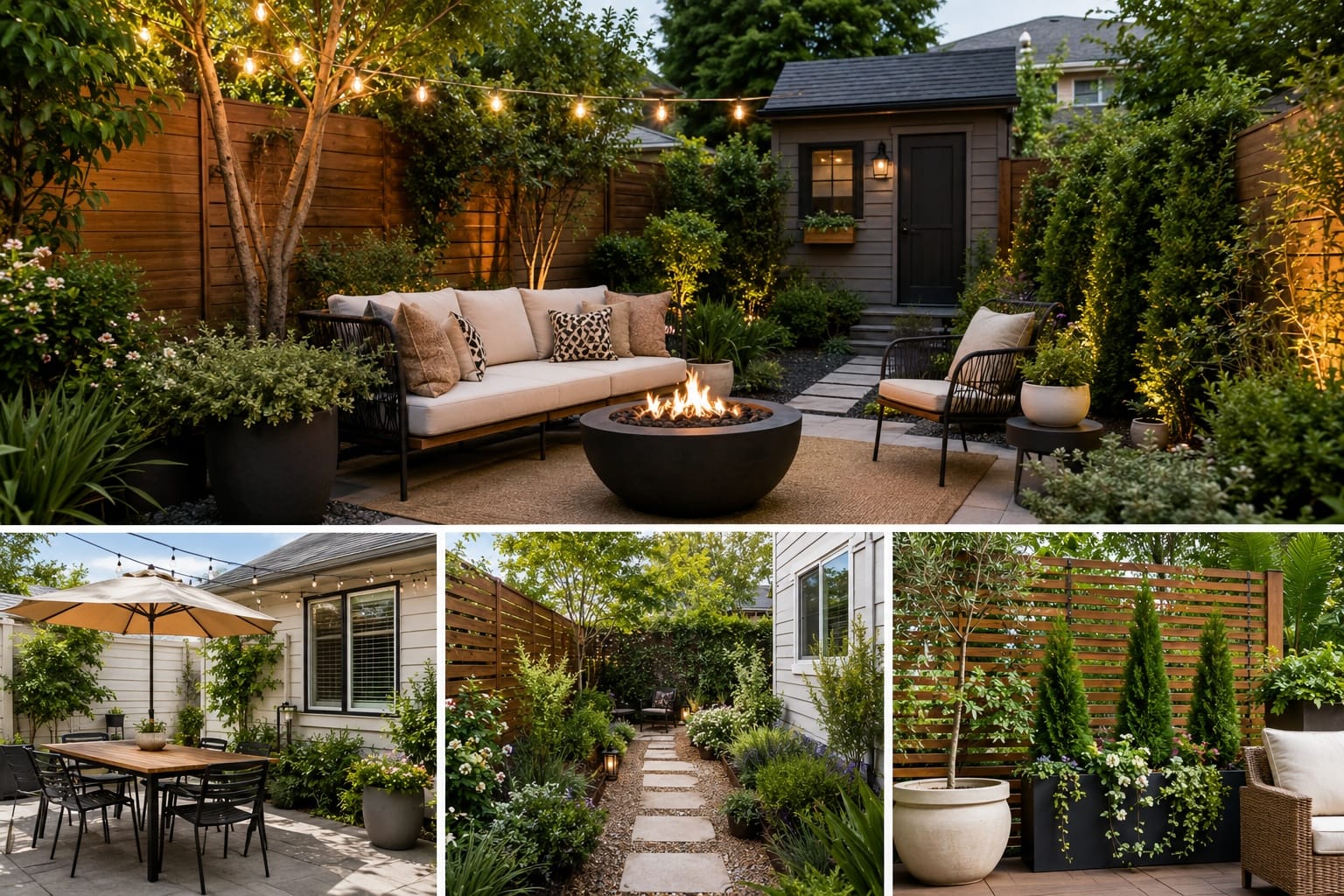
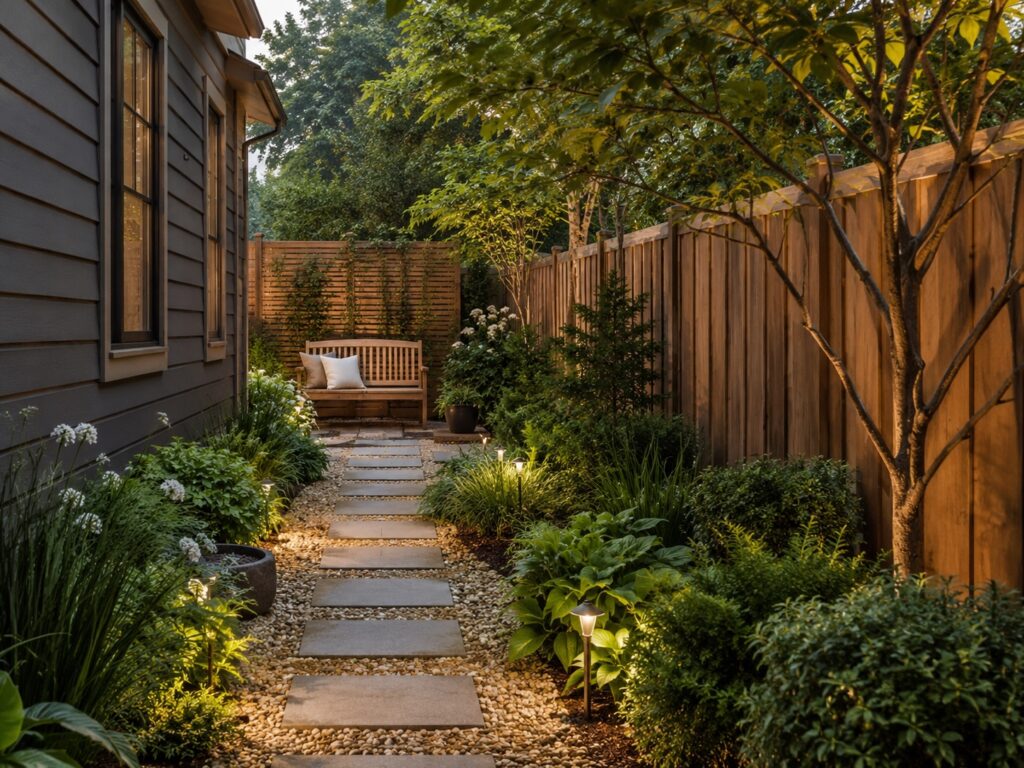
You do not need walls or major construction. Simple visual cues can create zones: an outdoor rug under a seating area, gravel around raised beds, a paver patio for dining, or a stepping-stone path leading to a bench.
Create a Simple Seating Zone
A seating area is often the heart of the backyard. In a small yard, choose furniture that fits the scale. A loveseat and two chairs may work better than a large sectional. Folding chairs, stackable stools, and benches with storage can also help.
Place seating where it feels comfortable, not just where there is empty space. If the afternoon sun is intense, add shade. If neighbors are close, use tall planters, a trellis, or privacy screen nearby.
Add a Dining Corner Without Overcrowding
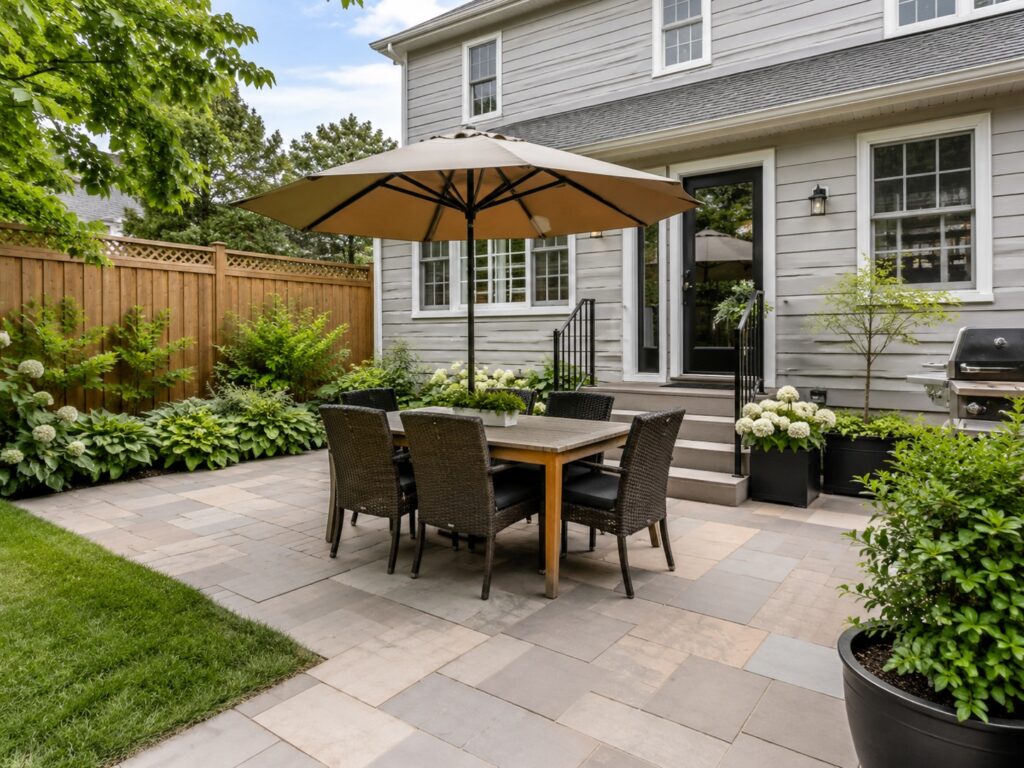
You do not need a full outdoor dining room. A round bistro table, slim rectangular table, or built-in bench can create a pleasant eating area without taking over the yard.
For medium-sized backyards, consider placing the dining zone closer to the house. It makes carrying food easier and keeps the deeper part of the yard open for lawn, plants, or lounging.
Guide Movement With a Path
A path gives structure to the yard and makes the space feel intentional. Gravel, stepping stones, concrete pavers, brick, or flagstone can all work depending on your style and budget.
Curved paths can soften a narrow yard, while straight paths look clean and modern. Just keep the path wide enough for comfortable walking, especially if it connects a patio to a gate, shed, or garden bed.
🪴 Choose Plants That Add Privacy, Texture, and Depth
Plants do a lot of heavy lifting in backyard design. They soften fences, cool hard surfaces, create privacy, attract pollinators, and make even a simple patio feel alive.
In a small or medium backyard, layering matters. Instead of lining up one type of shrub along the fence, mix plant heights and textures. Use low plants near the front, medium shrubs behind them, and taller plants or small trees toward the back.
Use Vertical Planting When Space Is Limited
Vertical gardening is one of the best backyard ideas for small homes. Trellises, wall planters, hanging baskets, and climbing vines add greenery without using much floor space.
Good options may include climbing roses, clematis, jasmine, native vines, or espaliered fruit trees, depending on your region. Always check what grows well in your USDA zone and whether a vine is considered invasive in your area.
Pick Small Trees Carefully
A small tree can transform a backyard. It gives shade, height, seasonal color, and a stronger sense of enclosure. But choose carefully. Some trees grow much larger than expected or have aggressive roots that may interfere with patios, foundations, or utilities.
For many yards, compact ornamental trees, dwarf fruit trees, serviceberry, Japanese maple, crape myrtle, or redbud may be worth considering, depending on climate and local conditions.
Keep Lawn Areas Intentional
A small patch of lawn can be useful for pets, kids, or visual softness. But tiny awkward strips of grass are often hard to mow and water efficiently.
If your lawn area is too small to be practical, consider replacing part of it with groundcovers, mulch beds, gravel, native planting, or a patio extension. Less lawn can sometimes mean more usable yard.
☀️ Add Shade Without Making the Yard Feel Closed In
Shade is not just a comfort feature. In many US climates, it decides whether the backyard gets used in July or ignored until fall.
For small yards, the trick is adding shade without making the space feel dark or boxed in. A full roof structure may be too heavy visually, while a lighter solution may feel just right.
| Shade Option | Best For | Pros | Things to Consider |
|---|---|---|---|
| Patio Umbrella | Small seating or dining areas | Affordable, movable, easy to store | May need a heavy base in windy areas |
| Shade Sail | Modern patios and play areas | Lightweight look, covers flexible shapes | Needs secure anchor points and proper tension |
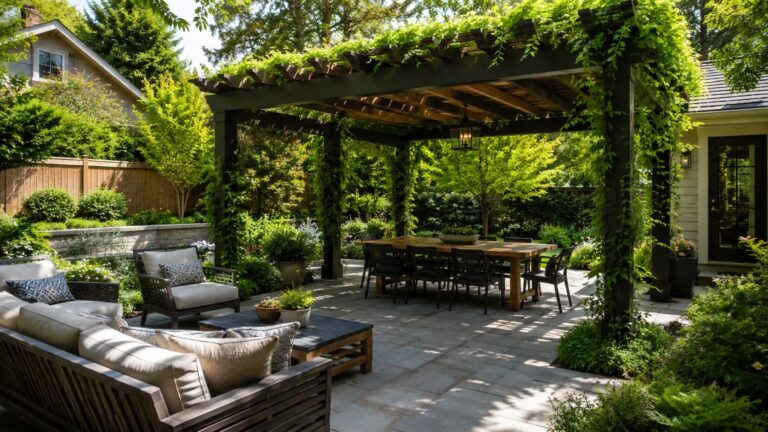
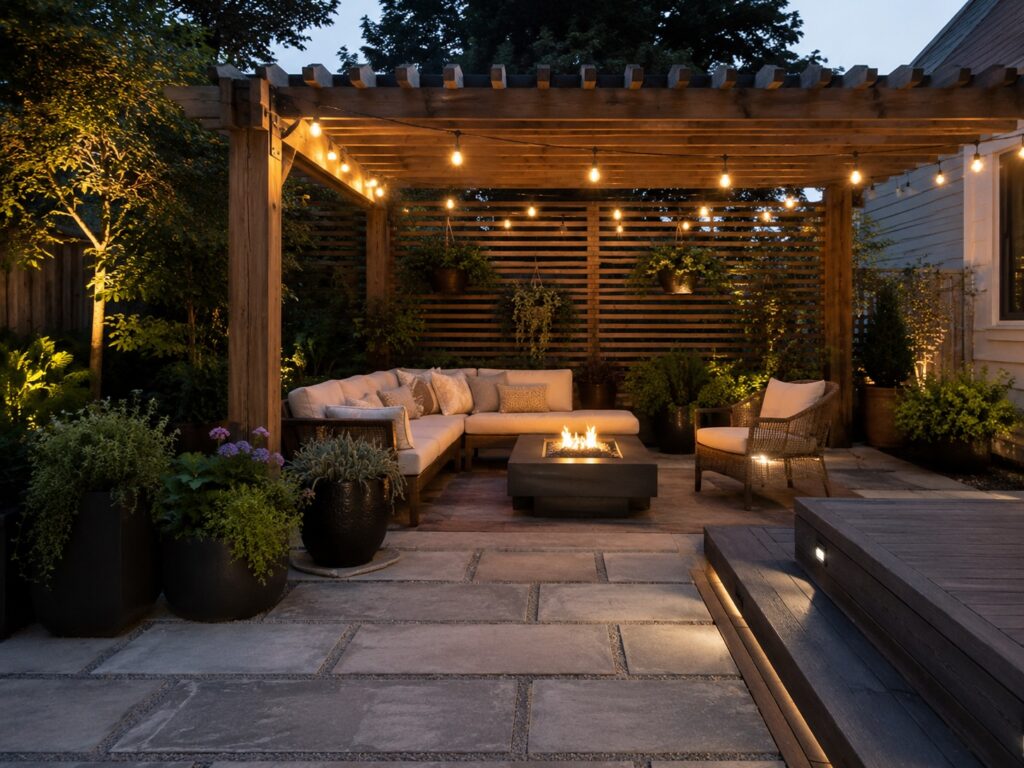
| Pergola | Medium patios and outdoor rooms | Adds structure, style, and partial shade | May require permits depending on size and location |
| Small Tree | Natural shade and garden character | Beautiful, cooling, improves privacy over time | Takes time to grow and needs the right placement |
| Retractable Awning | Back doors, decks, and attached patios | Shade when needed, open sky when not | Higher cost and may need professional installation |
For built structures like pergolas, patio covers, or attached awnings, check local building rules and HOA guidelines before installation. Requirements can vary widely by city, county, and neighborhood.
🪑 Pick Furniture That Fits the Scale
Outdoor furniture can make or break a small backyard. Oversized pieces may look inviting in a showroom but feel bulky at home.
Choose furniture with slimmer frames, raised legs, and flexible layouts. Pieces that let you see more floor area often make the yard feel more open. Built-in benches can also save space along fences or retaining walls.
Good small-backyard furniture ideas include:
- Round tables: easier to move around than sharp-cornered tables.
- Benches with storage: helpful for cushions, garden tools, or kids’ toys.
- Stackable chairs: practical when you entertain occasionally.
- Modular seating: flexible for different layouts.
- Lightweight side tables: easy to move for drinks, books, or planters.
Try to leave comfortable walking space around furniture. A patio that technically fits a table may still feel cramped if chairs cannot pull out easily.
💡 Use Lighting to Create Evening Comfort
Lighting is one of the easiest ways to make a backyard feel finished. It also helps small spaces feel cozy instead of cramped.
Layered lighting works best. That means combining a few types of light rather than relying on one bright fixture. String lights over a patio, low path lights along a walkway, wall sconces near the back door, and small uplights near plants can create a warm atmosphere.
Solar lights are simple and budget-friendly, though quality varies. Low-voltage landscape lighting usually performs better and lasts longer, but it may require more planning. For electrical work, especially hardwired fixtures, it is smart to work with a qualified electrician.
Aim for soft, warm lighting. Bright white lights can make a backyard feel harsh and less relaxing.
🧱 Mix Hardscaping and Greenery
Hardscaping includes patios, paths, walls, decks, gravel areas, and built-in features. Greenery includes lawn, trees, shrubs, flowers, and groundcovers. A good backyard design usually balances both.
Too much hardscape can feel hot and flat. Too much planting can feel messy or reduce usable space. The right mix depends on your climate, lifestyle, and maintenance goals.
For Low-Maintenance Yards
Consider a larger patio or gravel seating area with drought-tolerant plants, mulch beds, and a few statement containers. This can reduce mowing and watering while still feeling inviting.
For Family-Friendly Yards
Keep a flexible open area if kids or pets need room to move. Use durable surfaces, rounded edges where possible, and plants that can handle a little activity nearby.
For Garden-Focused Yards
Raised beds, vertical planters, and narrow planting borders can fit surprisingly well into small spaces. Just make sure there is enough room to walk, water, prune, and harvest comfortably.
🏡 Add Privacy Without Building a Fortress
Privacy is one of the biggest concerns for small and medium-sized backyards, especially in suburban neighborhoods where fences, windows, and patios are close together.
The goal is not always total screening. Sometimes partial privacy is enough to make the yard feel comfortable.
Try combining several light-touch solutions:
- Tall planters near seating areas
- Lattice panels with climbing plants
- Outdoor curtains on a pergola
- Mixed shrubs along the fence
- A decorative privacy screen behind a dining area
Before adding a tall fence or permanent screen, check local fence-height rules and HOA guidelines. Also consider your neighbors. A friendly conversation can prevent misunderstandings, especially if the change affects views or sunlight.
🔥 Consider One Focal Point, Not Five
Every backyard benefits from a focal point. It gives the space personality and helps the design feel pulled together.
For a small yard, one strong focal point is usually enough. This might be a fire pit, water feature, specimen tree, colorful planter wall, outdoor fireplace, built-in bench, or dining pergola.
A fire pit can be wonderful, but it needs safe clearance from structures, fences, trees, and furniture. Local fire rules may also apply, especially in dry or wildfire-prone areas. If space is tight, a small gas fire table may be more practical than a large wood-burning setup.
A water feature can create a calming sound and help mask neighborhood noise. Even a small fountain near a seating area can make the backyard feel more peaceful. Just remember that water features need cleaning and winter care in colder climates.
🧰 Plan Storage So Clutter Does Not Take Over
Small backyards get messy fast when there is nowhere to put things. Cushions, garden tools, toys, hoses, grill supplies, and outdoor games all need a home.
Instead of adding storage as an afterthought, build it into the design. A storage bench, slim deck box, small shed, wall hooks, or hidden storage under built-in seating can keep the yard clean without using too much space.
If you need a shed, choose the smallest size that truly works. Place it where it is accessible but not the main thing you see from inside the house.
🌎 Design for Your Climate, Not Just the Photo
Backyard inspiration photos are helpful, but they do not always match real life. A lush English-style garden may struggle in a hot, dry region. A gravel-heavy desert yard may feel out of place in a rainy climate. A shade-loving plant may burn in full afternoon sun.
For most homeowners, the best backyard design is local. Use plants that fit your region, materials that handle your weather, and features that match how long your outdoor season lasts.
In hot areas, prioritize shade, drought-tolerant plants, light-colored surfaces, and efficient irrigation. In rainy areas, focus on drainage, slip-resistant surfaces, and plants that tolerate moisture. In colder climates, choose durable materials that handle freeze-thaw cycles and plan where furniture or planters will go in winter.
🌟 Bringing It All Together
A small or medium-sized backyard does not need to feel limited. It just needs a clear plan.
Start with how you want to live outside. Then create simple zones, choose appropriately sized furniture, layer plants for depth and privacy, add shade where it matters, and use lighting to make the space inviting after sunset.
The best backyard design is not the one with the most features. It is the one you actually use. A quiet bench under a small tree, a compact patio for dinner, a few containers of herbs, and soft lighting can be more enjoyable than a crowded yard packed with every trend.
Keep it practical, keep it comfortable, and give every square foot a reason to be there. Your backyard may be smaller than the dream-home version, but with thoughtful design, it can still become your favorite “room” of the house. 🌱
❓ FAQ: Backyard Design Ideas for Small and Medium-Sized Homes
What is the best layout for a small backyard?
The best layout usually includes two or three clear zones, such as a seating area, planting area, and small open space. Keep pathways simple, use furniture that fits the scale, and avoid crowding the yard with too many features.
How can I make my backyard look bigger?
Use layered planting, diagonal or curved paths, light-colored surfaces, vertical gardens, and furniture with slim profiles. Keeping clutter hidden and creating a clear focal point can also make the space feel larger.
Is a patio better than a lawn for a small backyard?
It depends on how you use the space. A patio is often better for dining and entertaining, while a lawn may be useful for pets or children. Many small yards work well with a mix of patio, planting beds, and a small lawn area.
What are low-maintenance backyard ideas?
Low-maintenance ideas include native plants, mulch beds, drip irrigation, gravel paths, composite decking, durable patio pavers, and fewer small lawn strips. Choose materials and plants that match your local climate.
Do I need a permit for a pergola or backyard structure?
In many areas, permits depend on the size, height, location, and whether the structure is attached to the home. Check with your local building department and HOA before installing pergolas, patio covers, sheds, or large decks.