Your online presence is costing you jobs if a homeowner cannot tell, in 30 seconds, what you do, where you work, and why they should trust you.
Most contractors do good work and still lose calls because the website is thin, the photos are old, or the last update was three years ago. That is not a branding problem. It is a trust problem. Homeowners are comparing you to the next company on their phone while standing in the driveway, and they want simple proof you will show up, do the job right, and answer the phone.
They are not looking for fancy. They are looking for clear service areas, recent work, and signs you are still active. A plain site with current photos, real contact info, and a few solid details will beat a polished mess that feels abandoned.
If your online presence looks ignored, some customers will assume your business is ignored too.
Simple pages get more calls
Homeowners do not want to hunt for basic details. They want to know, fast, if you handle their kind of job, if you work in their town, and how to reach you without a hassle.
That is why simple pages win. A short service page with what you do, where you work, and how to contact you often gets the call before a fancy site does. If someone needs a fence repair, lawn cleanup, or patio work, they should not have to guess.
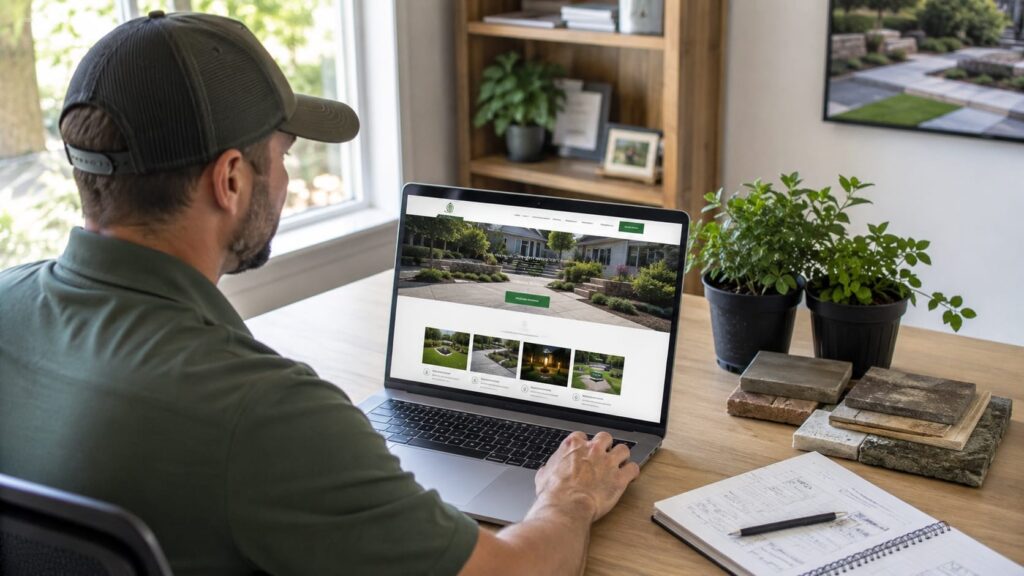
Keep the path obvious. Put your phone number in the header, list your service area in plain language, and show one clear form. If you do landscaping, a homeowner should see that right away, along with a few photos of real jobs. If you want a deeper example, look at a clear website for a landscaping business.
If a homeowner has to click around to figure out whether you fit the job, they will call the next contractor.
This is especially true on a phone, where people are comparing three or four companies in a few minutes. A simple page loads faster, reads faster, and feels easier to trust. That matters more than clever copy.
You do not need ten pages and a pile of marketing language. You need one clear answer to three questions: do you do this work, do you work here, and can I reach you today?
Key takeaways
- Put your main service, city, and phone number at the top of every page.
- Use plain job labels like lawn mowing, mulching, or fence repair, not vague phrases.
- Show current photos and a short service area list so homeowners know you are active.
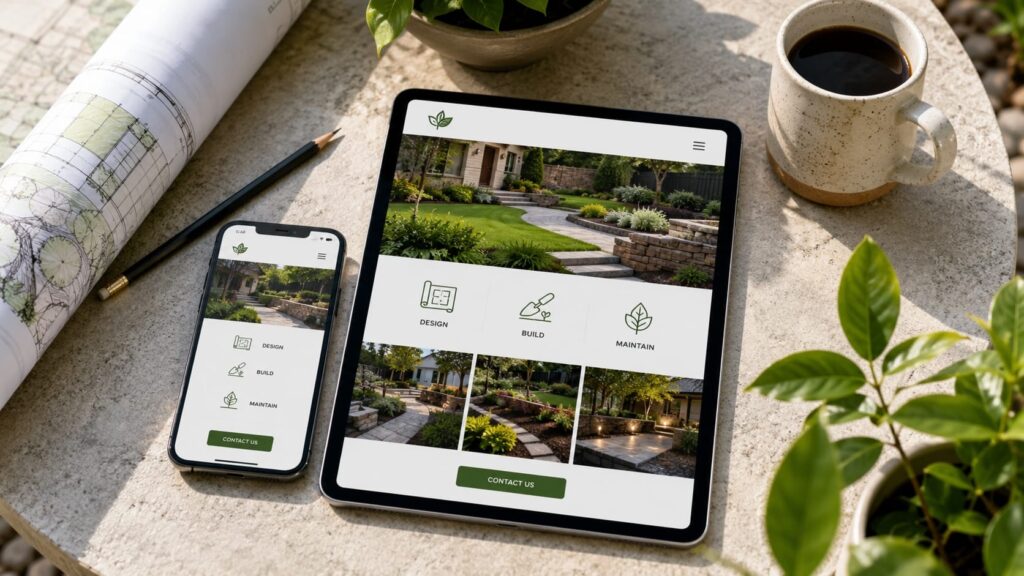
What homeowners check first
Most homeowners scan the same few things before they call: photos, reviews, service area, and a phone number they can find fast. If those pieces are missing or buried, the job gets passed to somebody else.
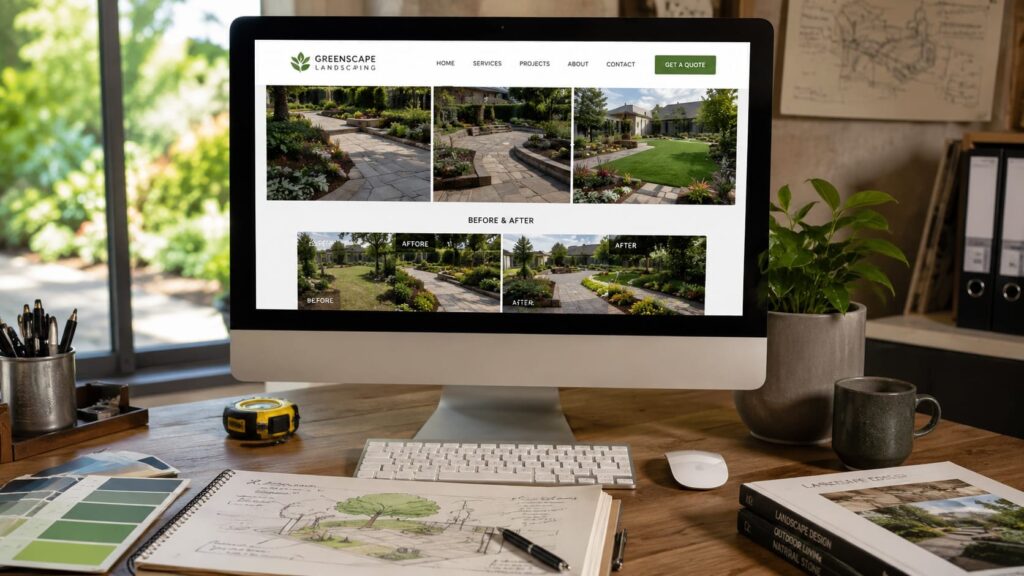
Photos do the heavy lifting. They should show real work, not stock images or the same truck shot from five years ago. A few clear before-and-after pictures from jobs in your area tell people you are active and you do the kind of work they need.
Reviews matter too, but only if they look real and recent. A handful of honest reviews from the last year beats a page full of old praise. Homeowners are looking for signs that you still answer calls, still show up, and still finish jobs without drama.
Your service area should be plain. List the towns, neighborhoods, or counties you actually cover. If you only work within 30 minutes of home base, say that. If you do not handle steep slopes, HOA-heavy properties, or certain repair types, make that clear before someone wastes time calling.
A homeowner does not need a perfect website. They need proof you are real, reachable, and still working jobs this season.
Contact details should be impossible to miss. Put the phone number near the top, use a working email, and make sure the form actually sends. If your last update says “spring specials” and it is November, that hurts trust fast. Old pages feel like abandoned equipment.
If you want a good model for clear service pages, look at a clear website for a landscaping business. The point is not fancy design. The point is to make a homeowner feel safe enough to call.
A simple website beats a busy one
A clean contractor site works like a good bid sheet. The homeowner sees the job, the price range, and the next step without having to sort through noise. A cluttered site does the opposite. It hides the phone number, buries the service area, and makes the whole business feel harder to deal with.
Speed matters here. A page with a few clear photos and short text loads fast on a phone. That gives you a better shot at keeping the visitor long enough to earn the call. A slow site with big sliders, pop-ups, and ten menu items often loses people before they ever see what you do.
Clarity also cuts down on bad leads. If you spell out your main services, the towns you cover, and the type of work you do not take, you get fewer wasted calls. That saves time for you and the homeowner. It also makes your business look organized, which is half the battle.
A homeowner will forgive a plain website. They will not forgive a site that feels abandoned or hard to use.
Outdated pages send the wrong signal. Old project photos, dead links, and a copyright line from 2019 make people wonder if you are still active. A simple site with current work, current hours, and current contact info feels alive. That is the kind of proof that gets a homeowner to pick you over the next name on the list.
If you want a practical example of how this looks for your trade, see a clear website for a landscaping business. The point is not to impress people. The point is to make it easy for them to trust you fast.
| Option | Typical cost | Best for |
|---|---|---|
| Simple one-page contractor site | $500 to $2,500 | Clear services, phone calls, and fast mobile use |
| Busy multi-page site with extras | $2,500 to $8,000 | Businesses with time to manage more content and updates |
| Outdated site left alone | $0 now, but leads can slip away | No one, except a business that does not need new work |
Updated listings keep you visible
Your Google Business Profile and directory listings do a lot of quiet work. They help people find you when they search by town, trade, or “near me,” and they also back up what a neighbor says when they refer you.
The basics matter more than most owners think. Business name, phone number, hours, and service area should match everywhere. If one listing says you close at 5, another says 6, and your website says “open daily,” that creates doubt. A homeowner may not say it out loud, but they notice.
Keep your hours real. If you do not answer the phone on Saturday, do not list Saturday hours just to look open. If you only take estimates in the morning, say that. The same goes for your service area. List the towns and neighborhoods you actually cover, not the whole county because it sounds bigger.
Directory listings help too, but only if they are clean. Old addresses, wrong suite numbers, and a disconnected cell number can send a lead nowhere. That kind of mistake is common after a move or a number change, and it costs real calls. People will not hunt you down twice.
- Use the same business name on every listing.
- Keep one main phone number and answer it.
- Update hours before the season changes.
- Match your service area to the jobs you want.
A homeowner does not study your listing like a contractor does. They scan it, check for confusion, and move on if anything feels off.
If you want a stronger local setup, compare your listings with being easier to find online. The goal is simple. Make it easy for a referral, a search result, and a phone call to point to the same business.
From the field
Most homeowners are not sitting there comparing your craftsmanship to three other contractors online. They cannot tell that from a listing. What they can tell is whether they understand your service area, your hours, and how to reach you without guessing. A plain profile with real photos and the right phone number usually beats a prettier page that leaves them confused.
What to keep current every month
You do not need to rebuild your whole online presence every month. You just need to keep the parts that affect trust from going stale.
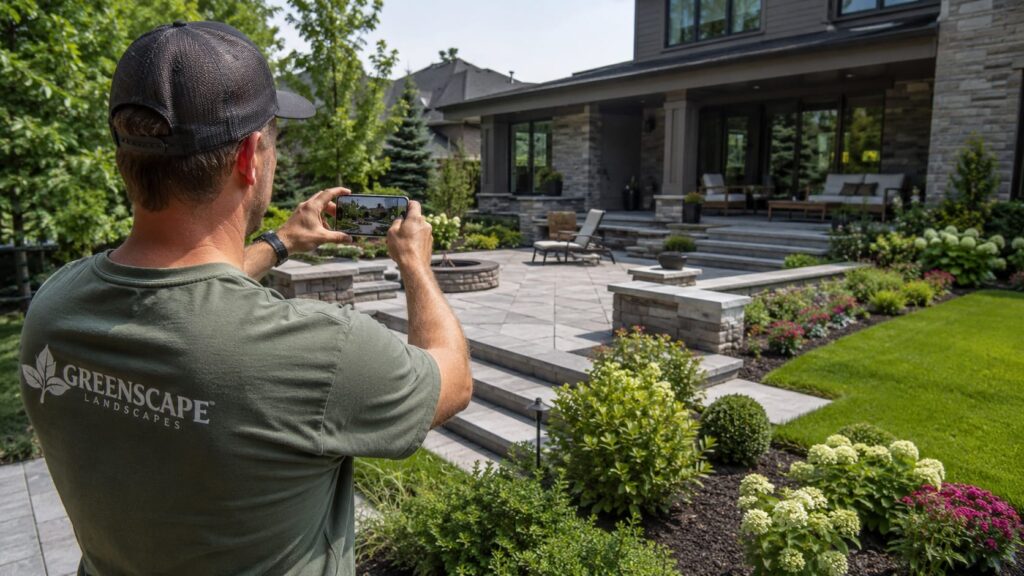
Start with fresh photos. Add a few from a recent job, even if it is a small cleanup, mulch install, fence repair, or roof repair. Homeowners want proof that you are active now, not last season. One good phone photo from a real job beats a polished stock image every time.
Then check reviews and replies. Thank the people who left a review. If someone had a complaint, answer it like you would on the job site, calm and direct. Silence looks worse than a short, honest response.
Your service pages should also match the work you actually want. If you stopped offering sprinkler installs, remove it. If you now handle spring cleanups or storm damage, add that page or update the old one. This helps a homeowner know, in ten seconds, if you are the right fit.
A site does not need more pages. It needs fewer wrong ones.
Once a month, check your hours, license info, insurance note if you list one, and your service area. That matters more when the season changes. Spring and fall schedules shift fast, and winter weather can change how fast you return calls. If you serve an HOA-heavy area, make sure your wording still fits the rules people care about.
- Add 2 to 4 new job photos.
- Reply to every new review.
- Remove services you no longer offer.
- Update hours before busy season changes.
- Confirm license and contact details are still correct.
If you want a cleaner system for local visibility, keep your updates aligned with being easier to find online. The work is small. The payoff is that your business still looks active when a homeowner is ready to call.
Common questions about online presence
Keep it simple, keep it current, and keep it honest. That is what usually gets a homeowner to call.
A contractor does not need to look fancy online. They need to look reachable, real, and ready to work.
How do you maintain an online presence?
Maintain it by keeping your business name, phone number, hours, service area, and photos accurate across your website and listings. Check them every month, and update them when your schedule, crew, or services change. Small, steady updates work better than a big refresh once a year. A stale page feels abandoned fast.
Why is it important to have an online presence?
It matters because many homeowners will look you up after a referral or before they call. If they cannot find you, or what they find is thin and outdated, they move on. A basic online presence gives them proof that you are a real business, active now, and worth trusting with their driveway, yard, or roof.
Why is it important to maintain a professional online presence?
A professional online presence helps people feel confident before the first phone call. Clean photos, correct contact details, and clear service pages show that you pay attention to details. That matters more than clever wording. If your online info is messy, a homeowner may assume your jobsite work will be messy too.
What are three benefits of a professional online presence?
First, it helps you get found in local searches. Second, it makes referrals easier to convert because people can verify your work and contact details. Third, it saves time by answering basic questions before anyone calls. Those three things can turn a quiet week into a booked schedule without adding much overhead.
What should you update first if your online presence is outdated?
Start with your phone number, hours, service area, and recent job photos. Then check your reviews, license info, and any services you no longer offer. Those items shape trust fast. If a homeowner sees wrong contact info or old work, they may never get far enough to ask for an estimate.