An exterior renovation can start with one simple idea: “Let’s make the house look better.” Then, a few conversations later, you are comparing siding samples, window styles, gutter colors, porch railings, driveway repairs, permits, contractor estimates, and a budget that suddenly feels a little too flexible.
That is why planning matters. A home exterior renovation is not just about choosing materials that look nice. It affects curb appeal, weather protection, energy efficiency, drainage, maintenance, safety, and sometimes even local code compliance. Done well, it can make your home more attractive and easier to care for. Done in the wrong order, it can create delays, surprise costs, and work that has to be redone. 🏡
This guide walks through what homeowners should think about before starting exterior renovation work, from priorities and budget to permits, contractors, materials, weather, and long-term maintenance.
Quick Summary
Before starting an exterior renovation, define your goals, inspect the condition of the home, set a realistic budget, check permits, plan the project order, and choose materials suited to your climate and maintenance expectations.
- Start with function: fix structural, moisture, roofing, siding, drainage, and safety issues before cosmetic upgrades.
- Plan the sequence: roofing, siding, windows, gutters, decks, paint, landscaping, and hardscaping should be coordinated.
- Prepare for surprises: exterior work can reveal hidden damage, so budget and timeline flexibility are important.
🏠 Start With Your Main Renovation Goals
Before calling contractors or choosing colors, get clear on why you want to renovate. Are you trying to improve curb appeal? Fix damage? Reduce maintenance? Prepare to sell? Improve energy efficiency? Make the entry safer? Add outdoor living space?
Your goal affects almost every decision. A homeowner preparing to sell may focus on visible repairs, fresh paint, landscaping, and entry updates. A homeowner planning to stay for 15 years may care more about durable materials, better drainage, new windows, and long-term maintenance.
Try writing down your top three priorities. For example:
- Repair damaged siding and trim
- Improve curb appeal at the front entry
- Reduce future maintenance with better materials
This simple list helps you avoid getting distracted by every possible upgrade. Exterior renovation projects can expand quickly if you do not define what matters most.
🔍 Inspect the Exterior Before Choosing Materials
A renovation plan should begin with the condition of the house, not the color palette. Walk around the home slowly and look for signs of damage, wear, water issues, and safety concerns.
Pay close attention to:
- Roof age, missing shingles, leaks, or sagging areas
- Siding cracks, rot, warping, fading, or loose panels
- Peeling paint or soft trim boards
- Gutters that leak, sag, overflow, or drain toward the foundation
- Window and door gaps, drafts, rot, or failing caulk
- Porch, deck, stair, and railing safety
- Foundation cracks, pooling water, or soil erosion
- Driveway, walkway, and step damage
Cosmetic work should not cover up bigger problems. Painting over rotten trim, installing new landscaping over poor drainage, or replacing siding while ignoring roof leaks can create more expensive issues later.
💧 Deal With Water Problems Early
Water is one of the biggest enemies of a home exterior. Before you spend money on beautiful finishes, make sure water is moving where it should.
Look at how rainwater leaves the roof, moves through gutters, exits downspouts, and flows across the yard. Downspouts should generally direct water away from the foundation. Soil should slope away from the house where possible. Walkways, patios, and driveways should not send water toward the home.
If you see standing water, basement dampness, erosion, overflowing gutters, or stains below roof edges, address those issues before cosmetic upgrades. Depending on the situation, you may need gutter repairs, downspout extensions, grading improvements, French drains, or professional drainage help.
A fresh exterior looks much better when it is not fighting water damage every season. 💧

💰 Build a Realistic Exterior Renovation Budget
Exterior renovation budgets can be tricky because projects often overlap. Replacing siding may reveal rotten sheathing. Painting trim may require carpentry repairs. Updating a porch may require railing changes to meet code. Landscaping may need drainage work first.
Start with a target budget, but add a contingency. For many homeowners, setting aside an extra 10% to 20% for surprises is wise, especially on older homes or projects involving demolition.
Your budget should include more than labor and materials. Also plan for:
- Permits and inspections
- Design or engineering help if needed
- Dumpster or debris removal
- Temporary protection for landscaping
- Possible repairs discovered during work
- Paint, sealants, flashing, fasteners, and trim details
- Lighting, hardware, house numbers, gutters, or accessories
A cheaper estimate is not always the better estimate. Make sure each bid includes the same scope, materials, preparation, cleanup, and warranty details.
📋 Decide What Must Be Done First
Project order matters. Doing work in the wrong sequence can waste money. For example, installing new landscaping before major siding work may lead to trampled plants. Painting trim before replacing gutters may create touch-up problems. Building a new patio before fixing drainage may cause puddling or settling.
Here is a general planning sequence that often makes sense:
| Project Area | Best Time to Plan | Why It Matters | Common Mistake |
|---|---|---|---|
| Roofing | Early in the project | Protects the home before siding, paint, and interior work | Updating siding while ignoring roof leaks |
| Windows and doors | Before siding or major trim work | Affects flashing, trim, insulation, and exterior finish details | Replacing siding first, then cutting into finished work later |
| Siding and trim | After structural and moisture issues are addressed | Defines the main exterior appearance and weather barrier | Choosing color before confirming repairs and material needs |
| Gutters and drainage | Before final landscaping | Controls water movement around the home | Installing plants or mulch before fixing runoff |
| Walkways, patios, and landscaping | After heavy exterior work | Finishes the exterior and improves curb appeal | Completing soft landscaping before construction traffic ends |
Every home is different, but the principle is the same: protect the structure first, then finish the appearance.
🧱 Choose Materials for Your Climate, Not Just the Look
Exterior materials have to handle sun, rain, wind, humidity, pests, snow, salt air, freeze-thaw cycles, and daily temperature changes. A material that performs well in Arizona may not be ideal in coastal Maine. A dark color that looks sharp online may absorb heat in a sunny climate.
Think about how materials will age where you live. Wood siding and trim can be beautiful, but they usually need more maintenance. Fiber cement, vinyl, engineered wood, metal, brick, stucco, and stone veneer all have different strengths, installation requirements, and upkeep needs.
Ask practical questions before choosing:
- How often will this need painting, sealing, or cleaning?
- Does it handle moisture well?
- Will the color fade quickly in strong sun?
- Can damaged sections be repaired easily?
- Does it fit the architecture of the house?
- Will it work with the roof, windows, gutters, and landscaping?
The best exterior material is not always the most expensive one. It is the one that fits your home, climate, budget, and maintenance comfort.
🎨 Plan Colors as a Complete Exterior Palette
Exterior colors should be chosen as a group. Siding, trim, roof, gutters, garage door, front door, shutters, stone, brick, and hardscaping all affect the final look.
Bring samples outside and view them at different times of day. Colors can look warmer, cooler, darker, or brighter depending on sun, shade, and surrounding materials. Test paint samples on several sides of the house if possible.
A simple exterior palette often works best:
- Main color: siding, stucco, or primary exterior surface
- Trim color: windows, fascia, columns, railings, or accents
- Accent color: front door, shutters, or selected details
If your home has brick or stone, treat those as fixed colors. Choose siding and trim that complement them rather than compete with them.
🪟 Think About Windows and Doors Early
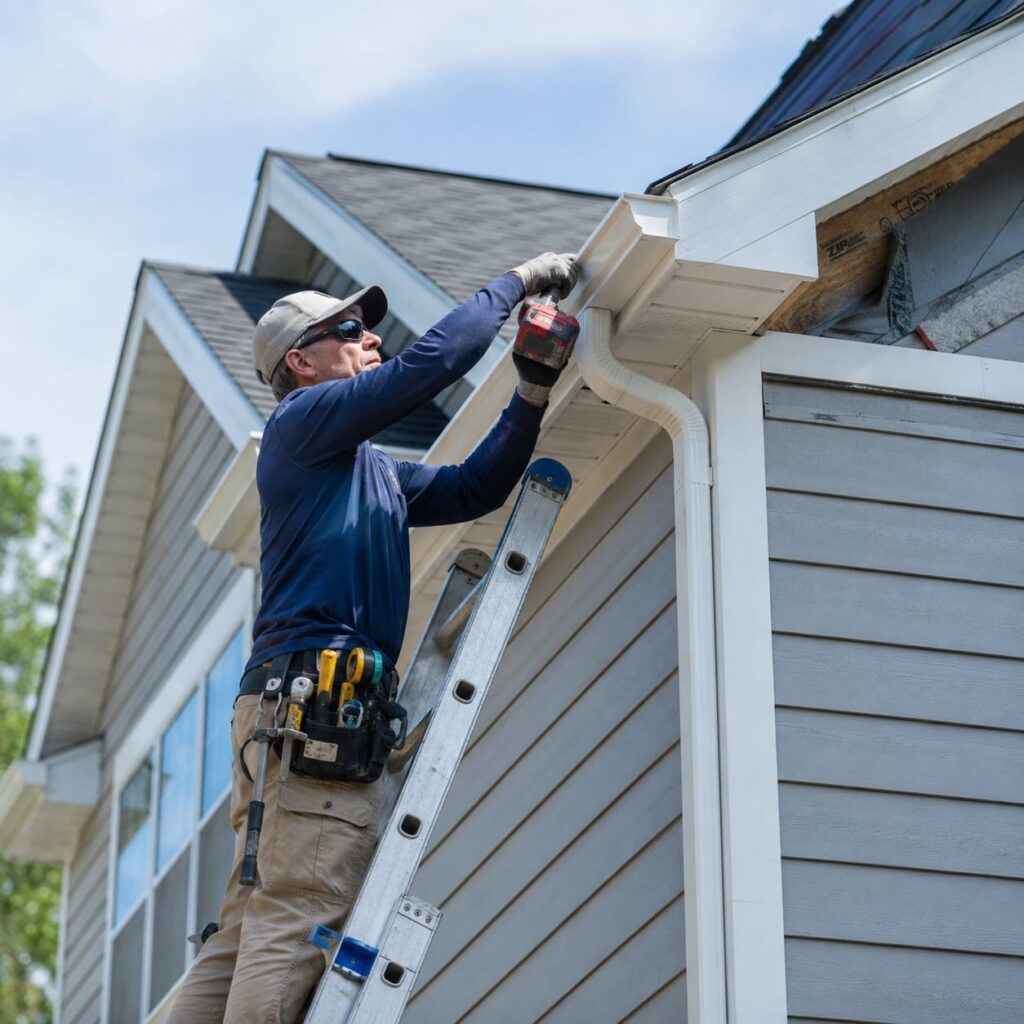
Windows and doors affect curb appeal, comfort, energy use, and weather protection. If they are part of your renovation, plan them before siding, trim, or paint.
Replacing windows after new siding is installed can mean cutting into recently finished work. The same is true for exterior doors. Proper flashing, sealing, and trim details are important for preventing leaks and drafts.
Window style also affects the home’s character. Grilles, frame color, trim width, and proportions all matter. A modern black-frame window can look great on some homes but may feel out of place on others. Choose upgrades that fit the architecture, not just current trends.
🛠️ Check Permits, Codes, and HOA Rules
Exterior renovation work may require permits, especially for structural changes, roofing, window and door changes, decks, porches, electrical work, drainage changes, additions, or major siding replacement. Requirements vary by city, county, and state.
If you live in a homeowners association, review the rules before ordering materials. HOAs may regulate exterior colors, roofing materials, siding types, fences, lighting, driveway changes, porch additions, and landscaping.
Skipping approvals can create expensive problems. You may be asked to stop work, pay fines, redo work, or replace materials. Check first, even if the project seems straightforward.
👷 Choose Contractors Carefully
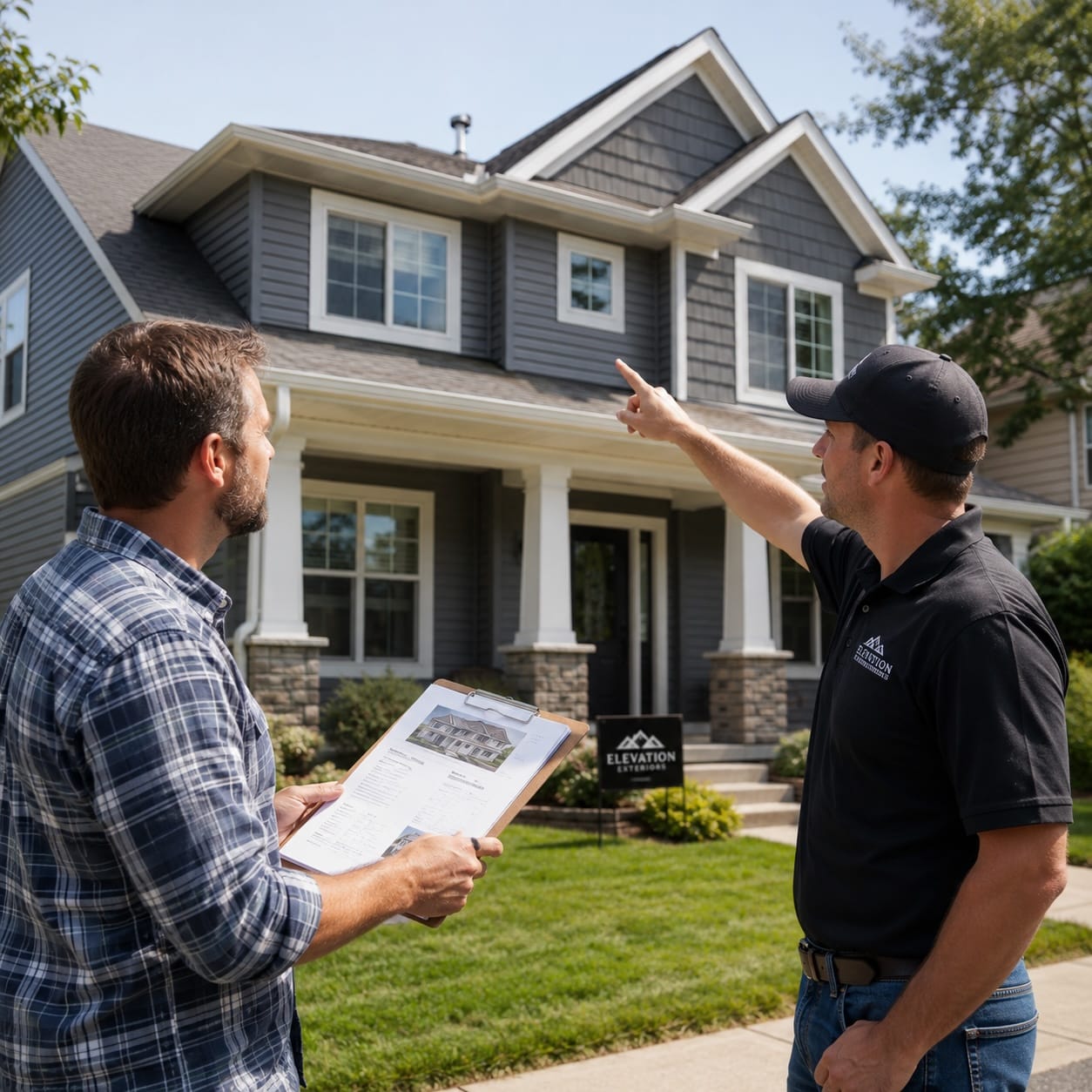
The contractor you choose can make or break an exterior renovation. Good exterior work requires more than making things look nice. It requires proper installation, water management, structural understanding, and attention to details that may be hidden behind finished surfaces.
When comparing contractors, ask about:
- Licensing and insurance where required
- Experience with your type of project
- Written estimates and detailed scope
- Material brands and installation methods
- Timeline and crew availability
- Cleanup and property protection
- Warranties on labor and materials
- How change orders are handled
Be cautious with vague estimates. “Replace siding” is not enough detail. What siding? What underlayment? What trim? What happens if rot is found? Are gutters included? Is painting included? Clear scope prevents confusion.
📆 Plan Around Weather and Season
Exterior renovation is weather-dependent. Rain, snow, wind, extreme heat, and freezing temperatures can delay work or affect installation quality.
Some projects are seasonal. Exterior painting usually needs proper temperature and dry conditions. Roofing may be harder during severe winter weather. Concrete, masonry, and some sealants have temperature requirements. Landscaping may establish better in spring or fall depending on your climate.
Talk with your contractor about timing. Ask what happens if weather delays the schedule and how exposed areas will be protected during work.
🌳 Protect Landscaping and Outdoor Features
Exterior work can be tough on your yard. Ladders, scaffolding, dumpsters, material deliveries, and foot traffic can damage grass, shrubs, irrigation lines, walkways, lighting, and garden beds.
Before work begins, identify what needs protection. Move planters, outdoor furniture, decor, hoses, tools, and fragile items. Ask the contractor where materials will be stored and where workers will access the property.
If you have irrigation, landscape lighting, or underground pet fencing, mark those systems before digging or heavy work begins. A little preparation can prevent accidental damage.
🚪 Do Not Forget the Entry Experience
Exterior renovation is not just about the broad surfaces. The entry experience matters because it is where people interact with the home up close.
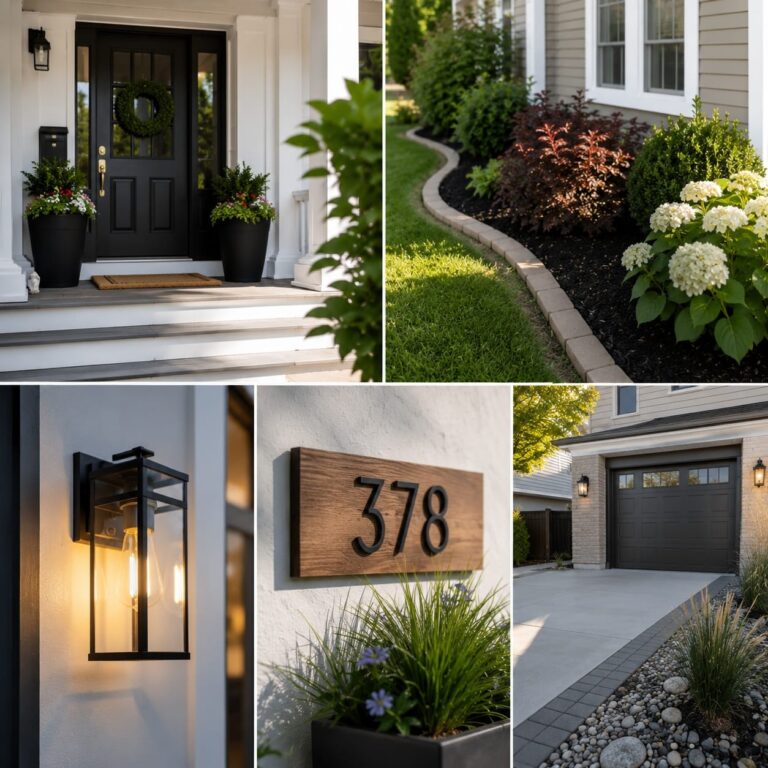
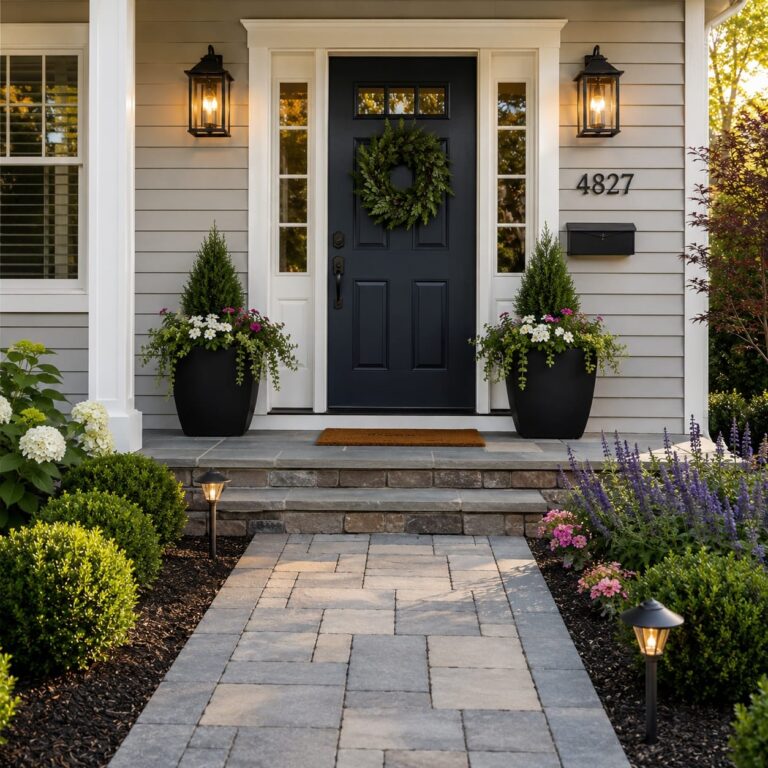
Think about the front door, porch, steps, railing, lighting, house numbers, doorbell, mailbox, welcome mat, and planters. These details are smaller than siding or roofing, but they shape first impressions.
A renovated exterior can still feel unfinished if the front entry is ignored. On the other hand, a well-designed entry can make even a modest renovation feel more polished.
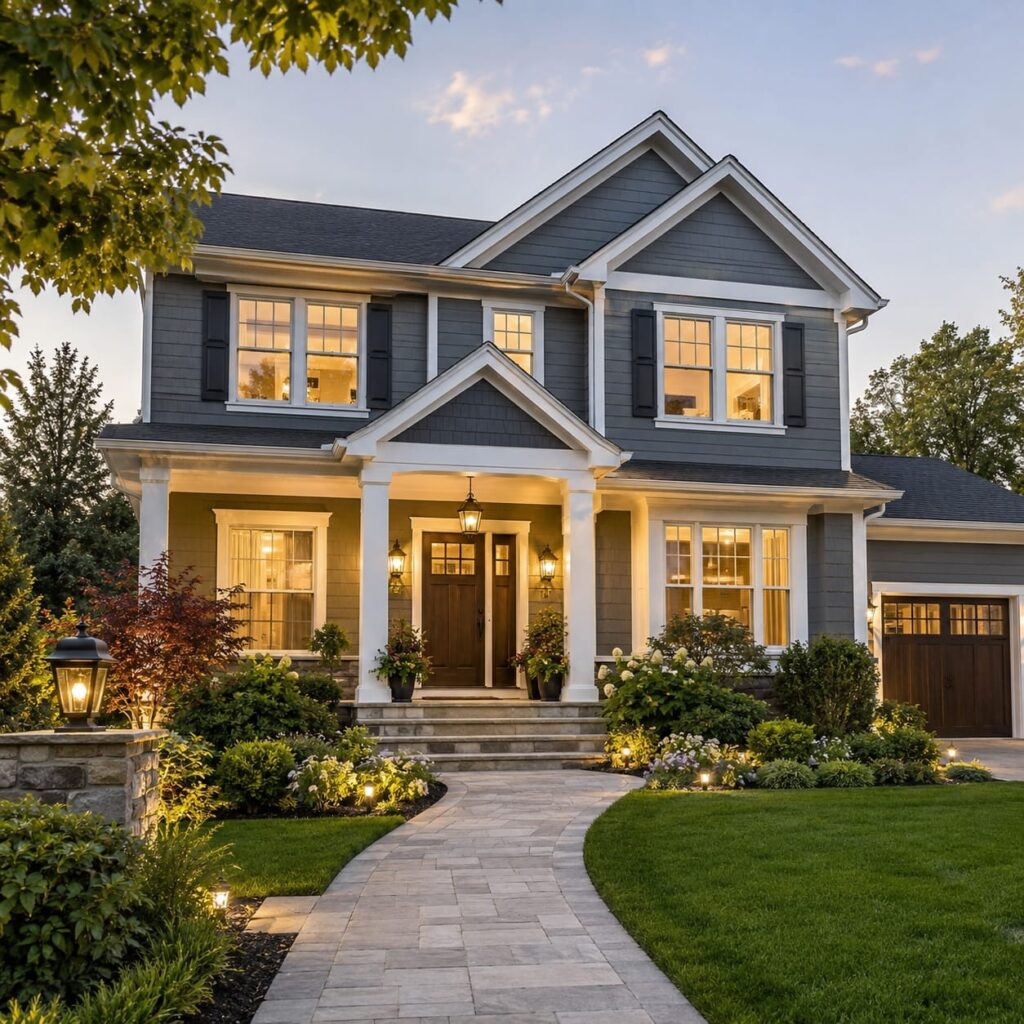
🔌 Plan Electrical and Exterior Lighting Early
Outdoor lighting, outlets, cameras, doorbells, holiday light outlets, landscape lighting, and garage lighting are easier to plan before exterior surfaces are finished.
If you are replacing siding, renovating a porch, or upgrading the entry, think about electrical needs at the same time. Adding wiring later may require cutting into finished materials.
Common exterior electrical upgrades include:
- New porch and garage lights
- Motion lights or security lighting
- Video doorbells or cameras
- Weatherproof outlets
- Landscape lighting transformers
- Ceiling fans for covered porches
Electrical work should be done according to local code by qualified professionals where required.
🧹 Understand Cleanup and Daily Disruption
Exterior renovation may not disrupt your kitchen like an interior remodel, but it still affects daily life. You may deal with noise, dust, blocked driveways, temporary loss of access, pets reacting to workers, and materials stored around the property.
Ask your contractor what to expect day to day. Will the driveway be usable? Where will the dumpster go? Will doors or windows be temporarily unavailable? How will nails, debris, and sharp materials be cleaned up?
If you work from home, have small children, or own pets, plan around the noisiest phases of work.
🧾 Get Everything in Writing
A written agreement protects both the homeowner and the contractor. It should clearly describe the project scope, materials, payment schedule, timeline, warranties, change order process, cleanup, and responsibilities.
Make sure product names, colors, quantities, and finish details are documented. If you approve a specific siding profile, window color, roof shingle, trim size, or door hardware, it should be written down.
Verbal agreements are easy to forget or misunderstand. Exterior renovations involve too many details to rely on memory.
✅ Pre-Renovation Checklist for Homeowners
Before work starts, run through this checklist:
- Define your goals: curb appeal, repairs, resale, comfort, or lower maintenance?
- Inspect the exterior: look for roof, siding, trim, drainage, window, and safety issues.
- Set a budget: include a contingency for hidden damage or changes.
- Check rules: confirm permits, HOA approvals, and local requirements.
- Plan the sequence: handle roofing, windows, siding, gutters, and landscaping in the right order.
- Choose materials: match them to climate, style, and maintenance expectations.
- Hire carefully: compare detailed estimates, not just prices.
- Prepare the property: move furniture, protect plants, and clear access areas.
🏡 A Better Renovation Starts Before the Work Begins
An exterior renovation can make your home look better, perform better, and feel better to come home to. But the best results usually come from careful planning before anyone starts tearing off siding or ordering materials.
Start with the condition of the house. Solve moisture and safety issues first. Plan the project sequence. Choose materials that fit your climate. Check permits and HOA rules. Hire qualified professionals. Budget for surprises. Then layer in the visual details that make the home feel finished.
Good planning does not remove every surprise, but it helps you make smarter decisions when surprises happen. And that is what turns an exterior renovation from stressful guesswork into a project that actually improves your home for years to come. ✨
❓ FAQ: Planning an Exterior Renovation
What should I do first in an exterior renovation?
Start with an inspection and identify any functional issues, such as roof leaks, rotten trim, damaged siding, poor drainage, unsafe steps, or failing gutters. Repairs and water management should come before cosmetic upgrades.
Do I need permits for exterior renovation work?
It depends on your location and project. Roofing, structural changes, siding replacement, windows, decks, porches, electrical work, and drainage changes may require permits. Check with your local building department and HOA before starting.
Should I replace windows before siding?
In many cases, yes. If windows are being replaced, it is often better to do them before new siding and trim so flashing and finish details can be installed properly.
How much should I budget for unexpected exterior repairs?
Many homeowners set aside an extra 10% to 20% of the project budget for hidden damage or changes. Older homes or projects involving demolition may need more flexibility.
What exterior upgrades improve curb appeal the most?
Visible updates like siding repairs, fresh paint, a better front door, updated lighting, clean landscaping, repaired walkways, and a well-designed entry often make a strong curb appeal impact.
How do I choose the right exterior materials?
Choose materials based on your climate, home style, budget, and maintenance expectations. Consider moisture, sun exposure, pests, freeze-thaw conditions, and how often the material will need cleaning, painting, or sealing.