People notice the outside of a home before they notice anything else. The front door, siding, walkway, lighting, porch, landscaping, driveway, and even the mailbox all work together to create that first impression. Sometimes a house does not need a major renovation. It just needs the right exterior updates in the right places.
Curb appeal matters whether you are preparing to sell, planning long-term upgrades, or simply tired of pulling into a driveway that feels a little neglected. The good news? You do not have to remodel the entire exterior at once. A few focused improvements can make a home look cleaner, more welcoming, and better maintained. 🏡
Here are practical home exterior improvement ideas that can boost curb appeal, improve everyday enjoyment, and help your property feel more polished from the street.
Quick Summary
Improving curb appeal is about making the exterior look clean, intentional, and well maintained. Start with visible updates like paint, lighting, landscaping, the front door, house numbers, and walkway improvements before moving into larger projects.
- Start simple: cleaning, trimming, painting, and lighting can change the look quickly.
- Focus on the entry: the front door, porch, steps, and walkway shape the first impression.
- Plan bigger upgrades carefully: siding, roofing, windows, and driveways can add impact but require more budget and planning.
🎨 Refresh the Front Door
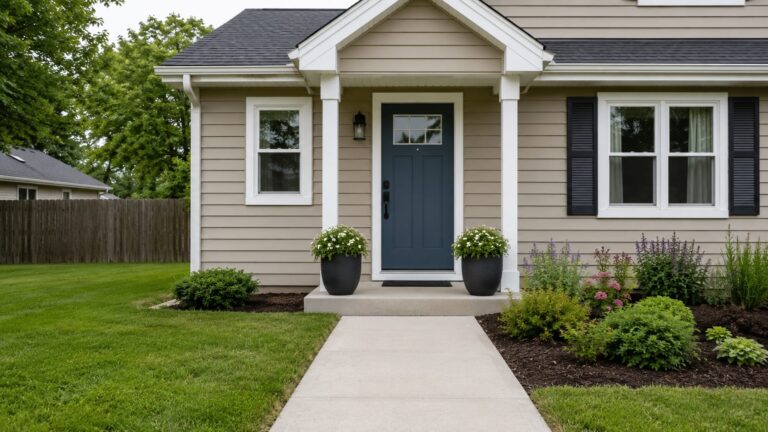
The front door is one of the easiest places to make a strong visual change. It is small enough to update without taking on the whole exterior, but important enough to affect the entire look of the home.
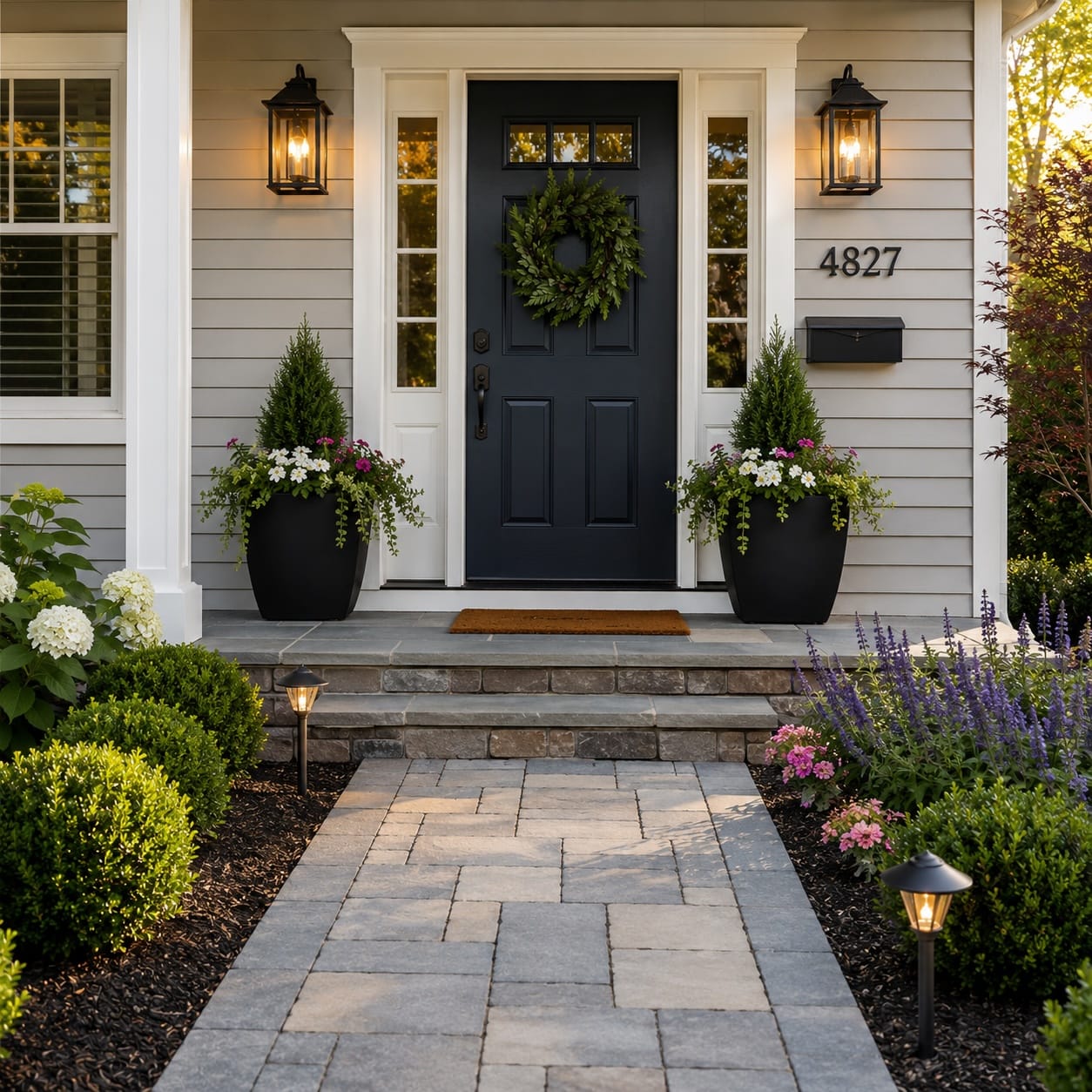
A fresh coat of paint can make an older entry feel new again. Deep navy, classic black, warm red, forest green, and soft sage are popular choices, but the best color depends on your siding, trim, roof, and overall style.
If the door itself is damaged, warped, drafty, or outdated, replacement may make more sense than painting. A new door can improve appearance, comfort, and security. Just make sure the style fits the home. A sleek modern door may look great on a contemporary house but feel out of place on a traditional cottage.
Small entry details that matter
- Replace worn door hardware
- Add a clean welcome mat
- Install updated house numbers
- Use matching or coordinated finishes
- Add planters near the entrance
The goal is simple: make the entrance feel cared for before anyone even rings the bell.
💡 Upgrade Exterior Lighting
Outdoor lighting improves curb appeal and makes the property feel safer and more welcoming. Old builder-grade fixtures, dim bulbs, or mismatched lights can make a home look dated even when the exterior is in good shape.
Start with the front porch or entry lights. Choose fixtures that match the scale of the home. One common mistake is installing lights that are too small. A larger fixture often looks more balanced beside a front door or garage.
Then look at path lighting, garage lights, landscape uplighting, and motion lights. Soft lighting along a walkway can make the home feel inviting at night. Uplighting on trees or architectural details can add depth without feeling flashy.
For electrical work, outdoor fixtures, and hardwired lighting, use products rated for exterior use and work with a qualified electrician when needed.
🌿 Improve the Landscaping Around the House
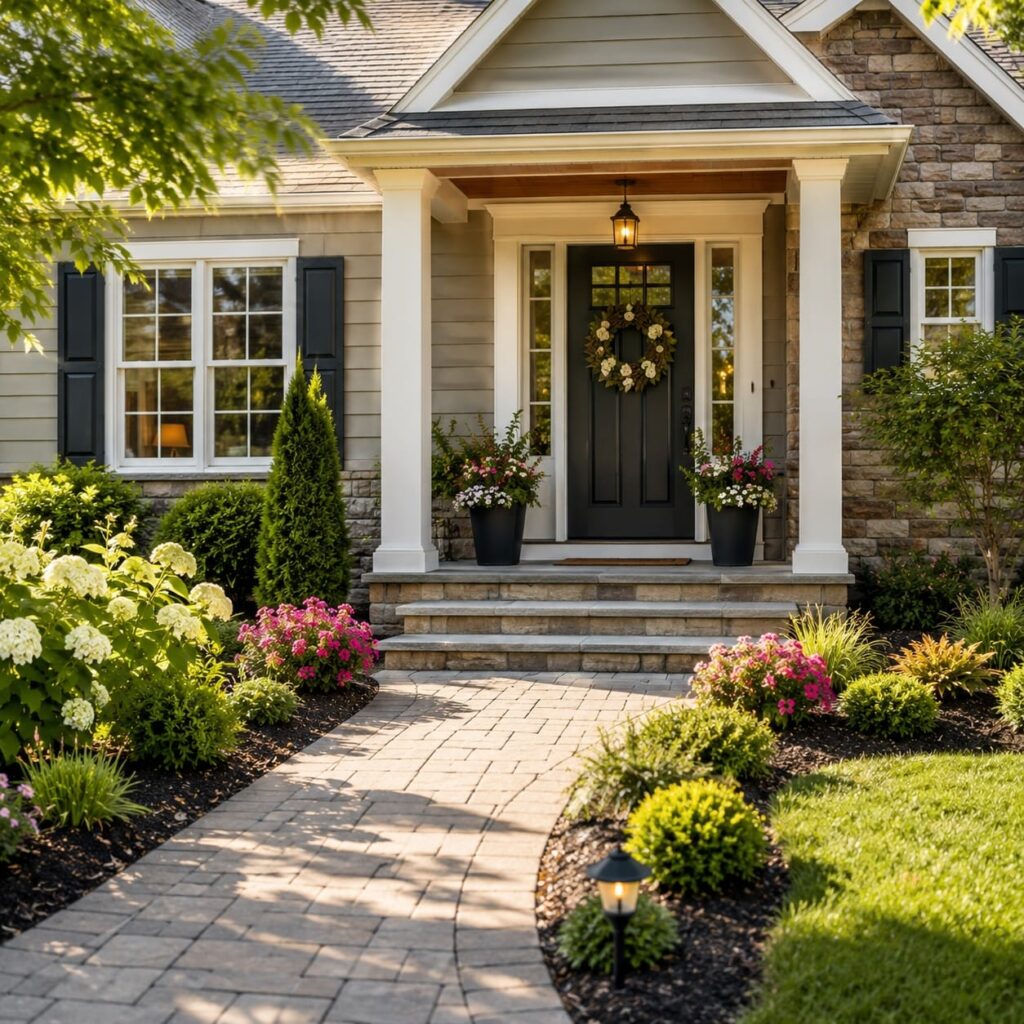
Landscaping frames the home. Even a beautiful exterior can look unfinished if the shrubs are overgrown, beds are empty, or mulch has faded to gray.
You do not need an elaborate garden to improve curb appeal. Clean lines and healthy plants go a long way. Start by trimming shrubs away from windows, removing dead plants, edging beds, and refreshing mulch or stone.
Then add structure. Evergreens, ornamental grasses, small flowering shrubs, and layered perennials can make the front yard look more intentional. For most homeowners, low-maintenance plant choices are better than high-maintenance designs that look good for one month and messy the rest of the year.
Simple landscaping upgrades
- Edge garden beds for a cleaner boundary between lawn and planting areas.
- Add fresh mulch to make beds look finished and help retain soil moisture.
- Use layered planting with taller plants in back and lower plants in front.
- Keep windows visible so the home looks open and maintained.
- Choose plants suited to your climate so they stay healthy with less effort.
A neat front yard often does more for curb appeal than an expensive but poorly maintained landscape.
🚪 Make the Porch Feel Welcoming
If your home has a porch, stoop, or covered entry, treat it like a small outdoor room. Even a tiny porch can feel more inviting with the right details.
Start by clearing clutter. Remove broken pots, faded decor, old seasonal items, and anything that makes the entrance feel crowded. Then add only what fits: a pair of planters, a bench, a small chair, a lantern, or a simple wreath.
Porch railings, steps, columns, and trim should also be clean and in good repair. Peeling paint or loose boards are easy to notice from the street. If the porch looks tired, the whole house can feel neglected.
🧼 Clean Before You Replace
Before spending money on big upgrades, clean the exterior. Dirt, mildew, pollen, algae, cobwebs, and stains can make materials look older than they are.
Power washing can refresh siding, walkways, patios, fences, and driveways, but it must be done carefully. Too much pressure can damage siding, wood, mortar, paint, or older surfaces. In some cases, soft washing is a safer option.
Also clean windows, gutters, light fixtures, and the garage door. These details may seem small, but together they make the exterior look sharper.
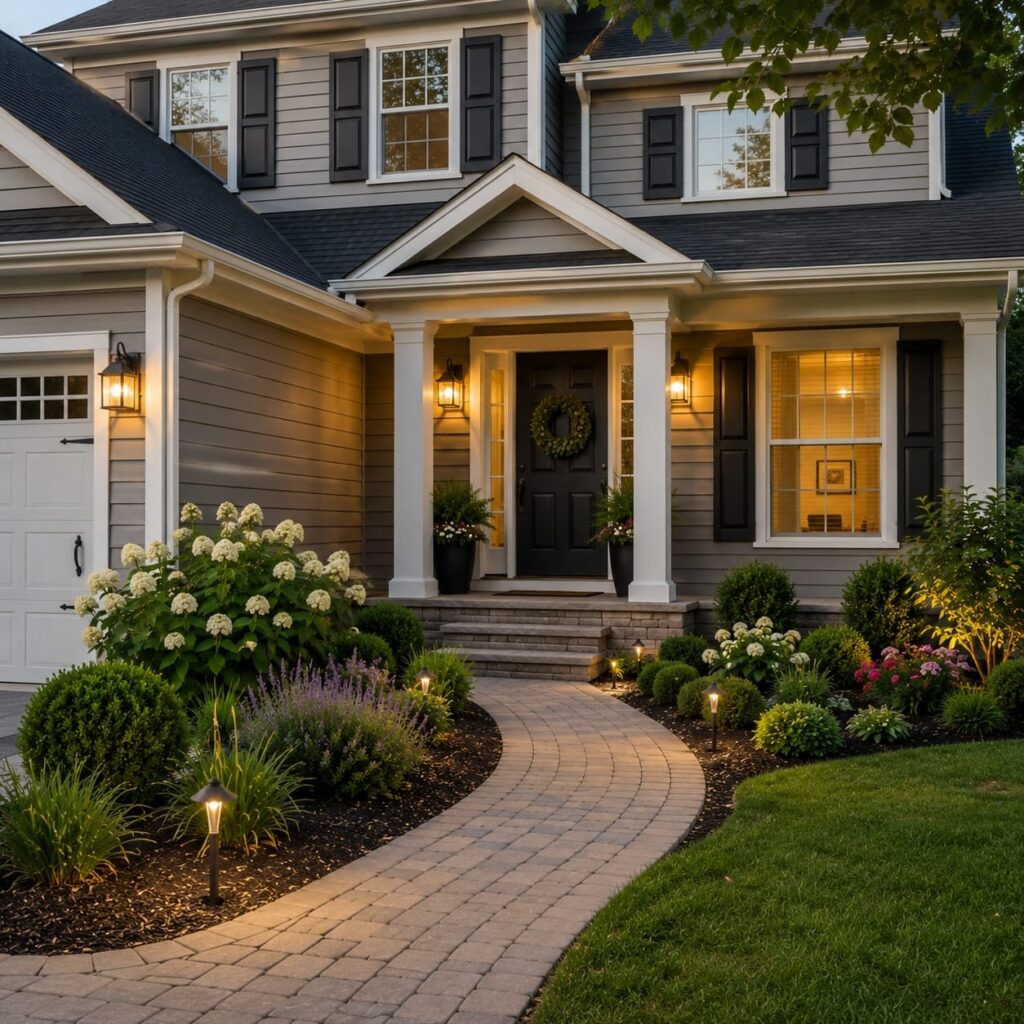
🏠 Update Siding, Trim, or Exterior Paint
Siding and paint have a huge impact on curb appeal because they cover so much visual space. If your siding is faded, cracked, stained, or mismatched, the home may look older than it really is.
A full siding replacement can be a major investment, but smaller updates may still help. Repainting trim, replacing damaged boards, touching up shutters, or choosing a new accent color can freshen the exterior without changing everything.
If you are repainting the entire home, test colors outside before committing. Paint looks different in full sun, shade, cloudy weather, and evening light. Also consider roof color, brick, stone, landscaping, and neighboring homes.
For older homes, check whether existing paint may contain lead before sanding or scraping. Safe handling matters, and professionals may be needed depending on the age and condition of the home.
🪟 Refresh Windows and Shutters
Windows affect both curb appeal and comfort. Dirty glass, broken screens, peeling trim, and faded shutters can make the exterior look tired.
Start with cleaning and repairs. Wash the windows, fix torn screens, repaint trim, and remove shutters that are damaged or incorrectly sized. Shutters should look like they could actually cover the window, even if they are decorative.
If windows are drafty, damaged, or inefficient, replacement may be worth considering. That is a larger project, but it can improve appearance and energy performance. Be sure to choose styles that fit the architecture of the home.
🚗 Improve the Driveway and Walkways
Driveways and walkways guide people to the house. Cracks, stains, weeds, uneven pavers, and poor lighting can drag down curb appeal even when the house itself looks good.
For a simple refresh, clean the surface, remove weeds, edge along the driveway, and repair minor cracks where appropriate. For larger issues like sinking, drainage problems, or major cracking, professional evaluation may be needed.
A front walkway should feel clear and intentional. If guests have to guess where to enter, the layout may need improvement. Paver borders, stepping stones, lighting, or a widened path can make the entrance feel more welcoming.
| Improvement | Best For | Typical Impact | Planning Tip |
|---|---|---|---|
| Front door paint | Fast visual refresh | High curb appeal boost for modest effort | Choose a color that works with siding, trim, and roof |
| Exterior lighting | Entry, walkways, garage, landscaping | Improves safety and nighttime appearance | Use weather-rated fixtures and avoid harsh glare |
| Fresh landscaping | Front beds, foundation areas, walkway edges | Makes the home look maintained and welcoming | Pick climate-appropriate, low-maintenance plants |
| Driveway repair | Cracks, stains, uneven surfaces | Improves the approach to the home | Address drainage issues before resurfacing |
| Siding or trim update | Faded or damaged exterior surfaces | Can dramatically change the home’s appearance | Test colors outdoors and consider long-term maintenance |
📬 Replace Small Exterior Features
Small features can quietly age a home. A rusty mailbox, faded house numbers, cracked doorbell, old porch light, bent gutter extension, or worn garage keypad may not seem important alone. Together, they send a message that the exterior has not been updated in a while.
Replacing these details is often affordable and satisfying. Try to coordinate finishes where possible. For example, black house numbers, black door hardware, and black light fixtures can create a clean, unified look.
Do not overdo it, though. Curb appeal usually looks best when the details feel consistent, not busy.
🚿 Repair or Upgrade Gutters
Gutters are not the most glamorous exterior feature, but they matter. Sagging, leaking, clogged, or mismatched gutters can make a home look neglected and may contribute to water problems around the foundation.
Clean gutters regularly, check downspouts, and make sure water is directed away from the house. If gutters are damaged or undersized, replacement may be worth considering.
Color also matters. Gutters that blend with trim or fascia often look cleaner. In some homes, contrasting gutters can work, but they should feel intentional.
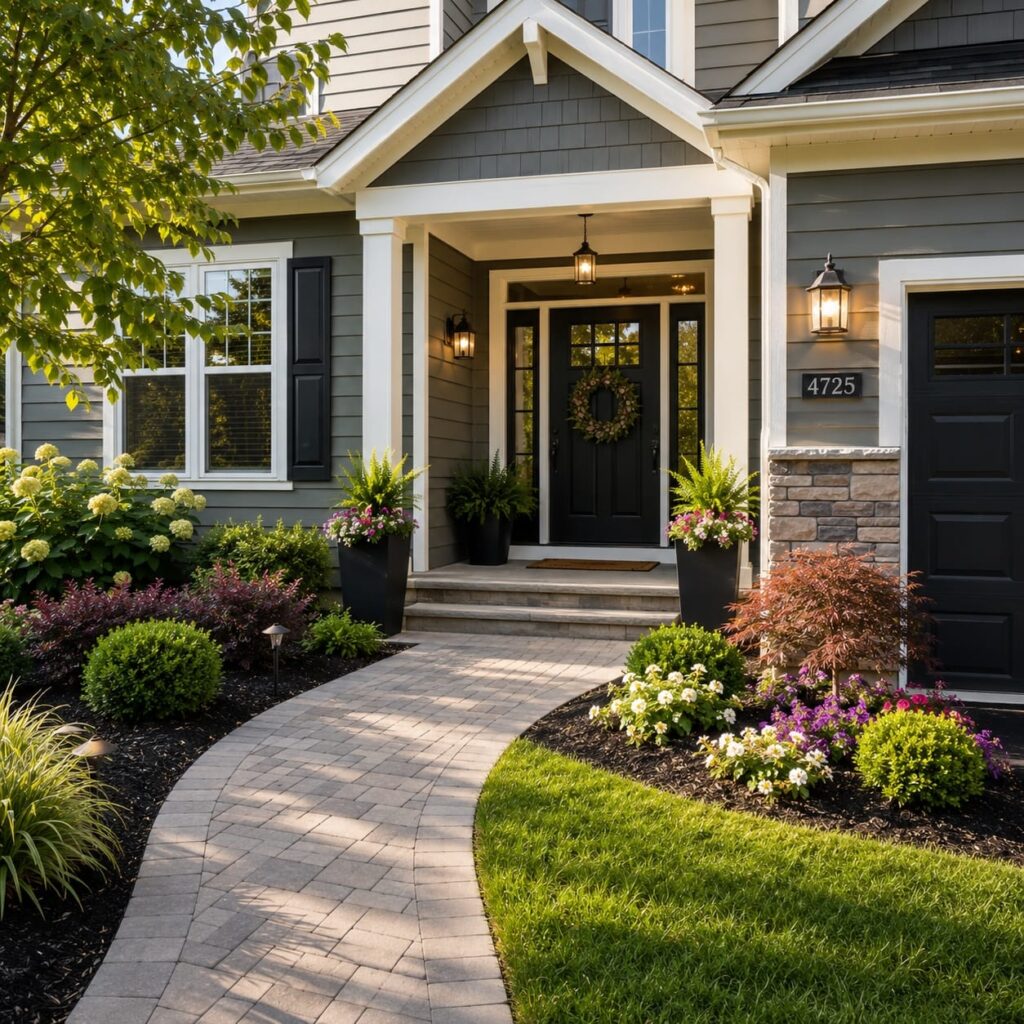
🚪 Give the Garage Door Some Attention
On many homes, the garage door takes up a large part of the front exterior. If it is dented, faded, dirty, or outdated, it can dominate the view from the street.
A fresh coat of paint, new hardware, decorative hinges, or updated lighting can help. If the door is damaged or no longer works well, replacement may improve both appearance and function.
For homes with front-facing garages, choose a color that complements the exterior rather than screaming for attention. In many cases, the garage should support the design, while the front entry remains the focal point.
🌸 Add Color With Containers and Seasonal Plants
Container plants are one of the easiest ways to add curb appeal without redesigning the whole landscape. Use them near the front door, porch steps, garage, walkway, or driveway entrance.
For a polished look, choose containers that match the home’s style. Large planters usually look better than several tiny pots scattered around. Use a mix of height, texture, and color, but keep the arrangement simple enough to maintain.
Seasonal color can be fun, but rely on strong permanent landscaping as the foundation. Annual flowers are the accent, not the whole design.
🧱 Add Architectural Interest
Some homes look flat from the street because the exterior lacks depth or detail. Architectural upgrades can help, but they should match the style of the home.
Ideas include:
- Adding or updating porch columns
- Installing window boxes
- Adding trim around windows or doors
- Using stone or brick accents
- Adding a small portico over the front door
- Replacing plain railings with a more attractive style
These upgrades can make a big difference, but proportion matters. Oversized trim, fake shutters, or stone accents used randomly can look awkward. When in doubt, keep details simple and consistent.
🌙 Think About Curb Appeal at Night
Many homeowners focus only on daytime curb appeal. But homes are often seen in the evening too, especially in winter when it gets dark early.
Walk to the street after sunset and look back at your house. Is the entry visible? Are steps safe? Are the house numbers easy to read? Are there dark corners that feel unwelcoming?
Warm, well-placed lighting can make the home feel inviting without overlighting the yard. Path lights, porch lights, garage sconces, and subtle landscape lighting can all work together.
🛠️ Prioritize Repairs Over Decoration
Decor can help, but repairs should come first. A new planter will not hide rotting trim. A painted door will not solve cracked steps. Fresh mulch will not make damaged gutters disappear.
Before adding decorative upgrades, look for basic repair needs:
- Peeling paint
- Rotting wood
- Loose railings
- Cracked steps
- Damaged siding
- Clogged or leaking gutters
- Broken exterior lights
Fixing these items protects the home and improves curb appeal at the same time.
✅ A Simple Curb Appeal Improvement Plan
If you are not sure where to start, use this order:
- Clean first: wash siding, windows, walkways, porch, lights, and driveway.
- Repair visible damage: address paint, trim, gutters, steps, and railings.
- Refresh the entry: paint the door, update hardware, add lighting, and use planters.
- Improve landscaping: trim, edge, mulch, and add reliable plants.
- Upgrade larger features: siding, windows, driveway, garage door, or roofing when budget allows.
This approach keeps you from spending money on decorative extras while bigger visual problems remain unresolved.
🏡 Small Exterior Improvements Can Change the Whole Feel
Curb appeal is not about making a home look perfect. It is about making it look cared for, welcoming, and consistent. A clean walkway, healthy landscaping, fresh paint, updated lighting, and a strong entry can completely change the way a home feels from the street.
Start with the areas people see first: the front door, porch, walkway, lighting, and landscaping. Then build toward larger exterior improvements as your budget and priorities allow.
With a thoughtful plan, even modest updates can make your home exterior feel brighter, cleaner, and more inviting every time you pull into the driveway. ✨
❓ FAQ: Home Exterior Improvement and Curb Appeal
What exterior improvement gives the fastest curb appeal boost?
Painting the front door, updating exterior lighting, cleaning the walkway, trimming landscaping, and adding fresh mulch can quickly improve curb appeal without a major renovation.
Does landscaping really increase curb appeal?
Yes. Healthy, well-maintained landscaping helps frame the home and makes the exterior look more polished. Even simple edging, pruning, and fresh mulch can make a noticeable difference.
Should I paint or replace my front door?
If the door is structurally sound, painting may be enough. If it is warped, damaged, drafty, or outdated, replacement may be the better long-term choice.
What should I fix before selling a house?
Focus on visible repairs first: peeling paint, broken lights, damaged trim, cracked steps, overgrown landscaping, dirty siding, and worn entry details. Buyers often notice these items quickly.
Are exterior lighting upgrades worth it?
In many cases, yes. Exterior lighting improves safety, highlights the entry, and makes the home look more welcoming at night. Choose properly scaled, weather-rated fixtures.
How can I improve curb appeal on a small budget?
Clean the exterior, paint the front door, replace house numbers, add planters, refresh mulch, trim shrubs, and update old light fixtures. These smaller upgrades can create a strong visual improvement.