Your backyard probably does not need a full renovation, it needs one or two fixes that make it comfortable to use. Most unused yards fail for simple reasons, like bad shade, awkward seating, muddy ground, or a layout that looks fine on paper and feels wrong at 5 p.m.
The hard part is that Pinterest rarely shows the trade-offs. A pretty patio still gets skipped if it is too hot, too far from the kitchen, or sits on a slope that holds water after rain. Pretty does not equal usable.
The first job is not to make the yard look finished. It is to make one part of it feel easy enough to sit in for 20 minutes.
That is where most homeowners should start, with the spot you actually live in, the weather you get, and the budget you can live with.
Start with the part you use
Walk your yard at the time you usually would use it, after work, before school, or on a weekend morning. Pay attention to where you naturally step, sit, and set things down. That is the real starting point, not the prettiest corner.
If you carry drinks from the kitchen, the path to that spot matters. If you watch kids or a dog, the view from the door matters. If you avoid the yard because it feels exposed, privacy and shade may matter more than new furniture.
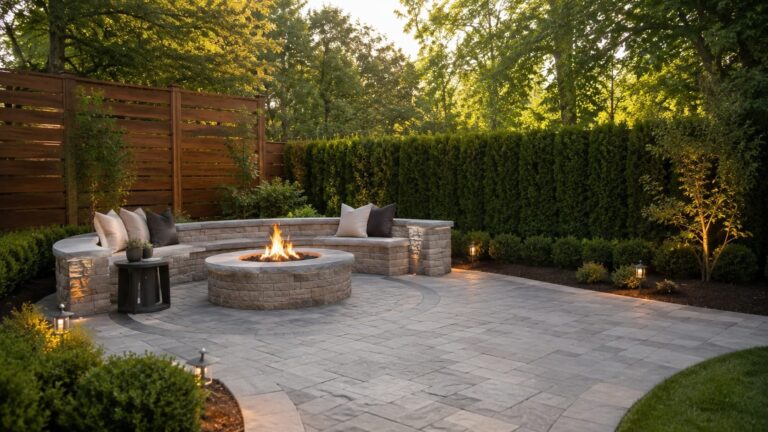
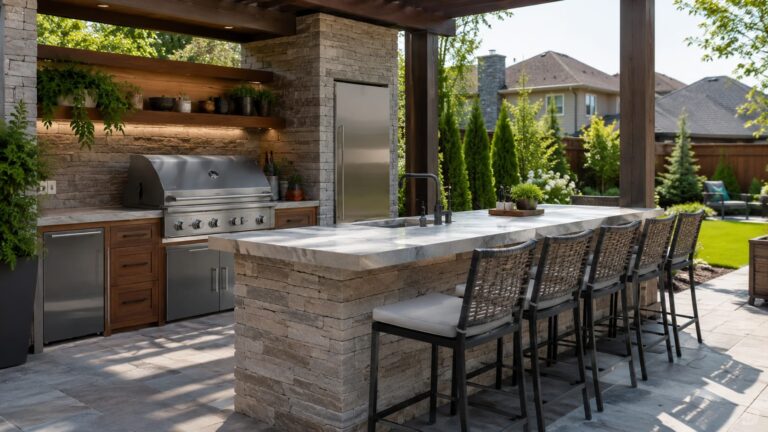
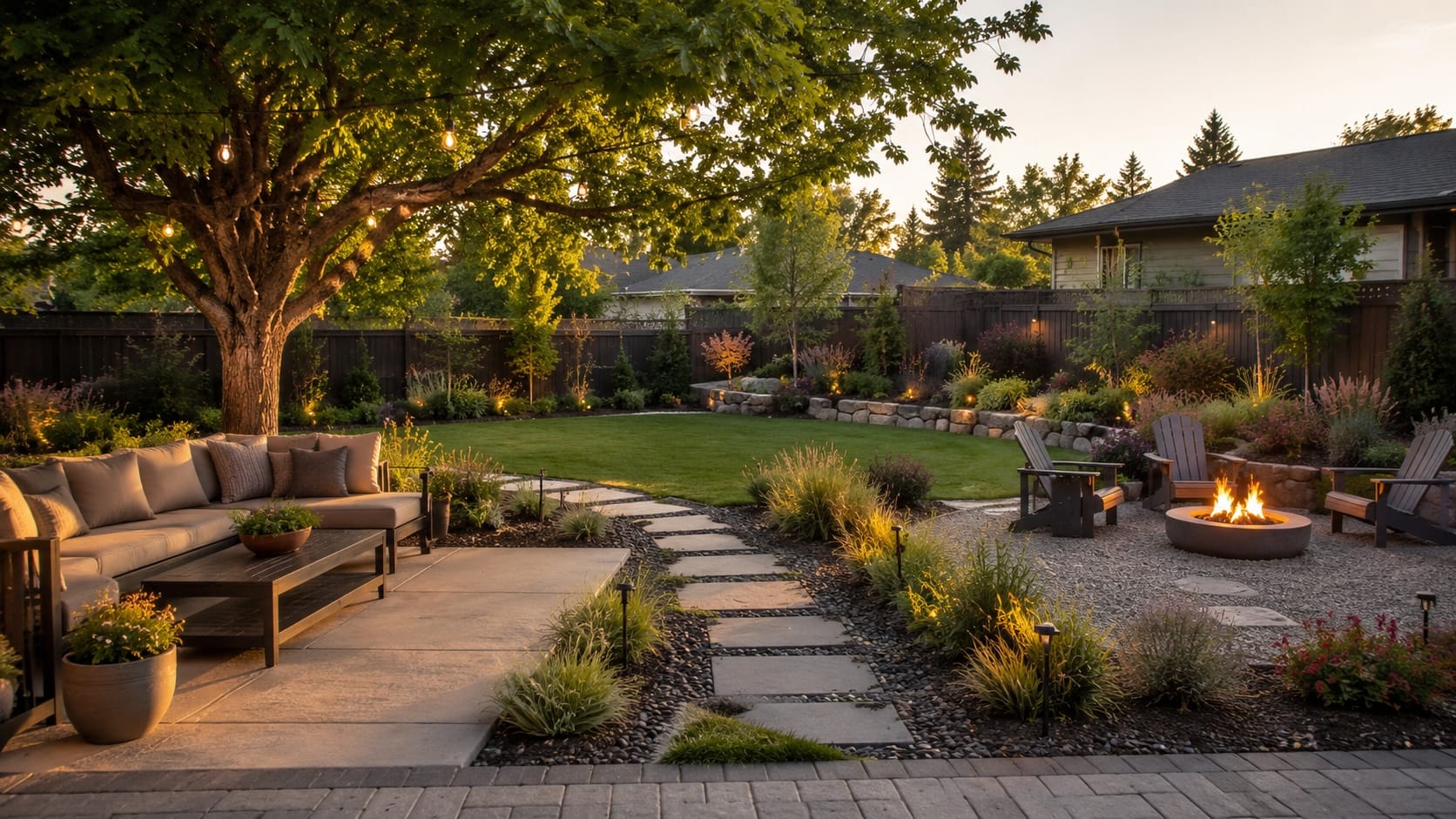
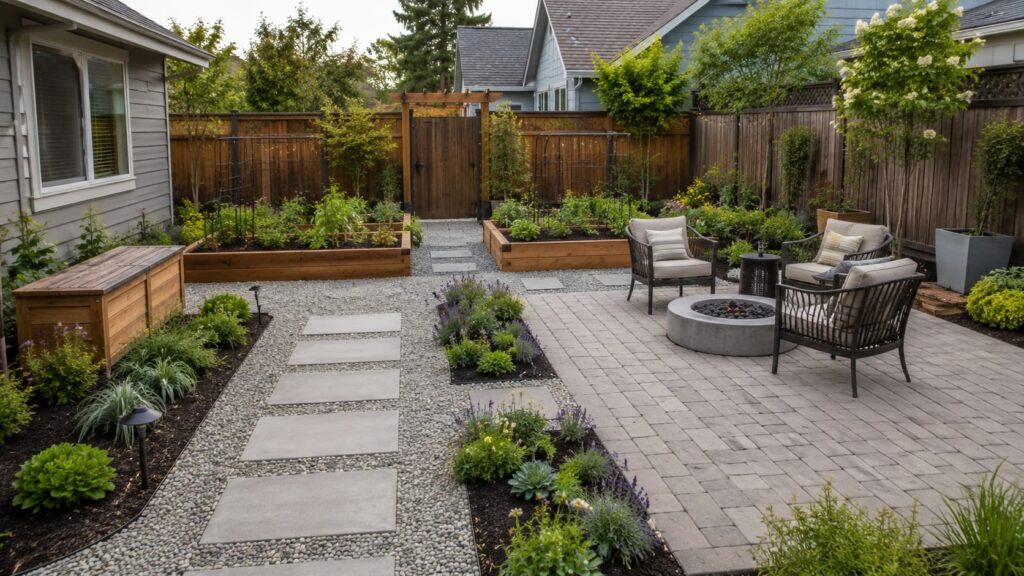
A lot of budget backyard ideas work because they fix one daily annoyance first. A small paver landing near the back door, a gravel seating pad, or a simple umbrella can make one area usable without touching the whole yard. If you need a broader plan, planning an outdoor living space can help you sort the order of work.
The best first project is usually the one that removes friction, not the one that looks biggest in a photo.
Keep the first fix small enough to finish. For many yards, that means one zone, one surface, and one comfort upgrade. You do not need to solve the whole yard to start using it.
If your lot is tight, uneven, or awkward, start with the area you already cross every day. That may be the side yard, the space off the deck, or the strip outside the back door. The goal is to make one spot feel easy, then build from there. For more layout help, see backyard design ideas for smaller homes.
Key takeaways
- Choose the spot you already use most, then improve that area first.
- Fix the path, surface, or shade before spending on decorative features.
- Start with one small zone you can finish within your budget and weekend time.
Small fixes that change the feel fast
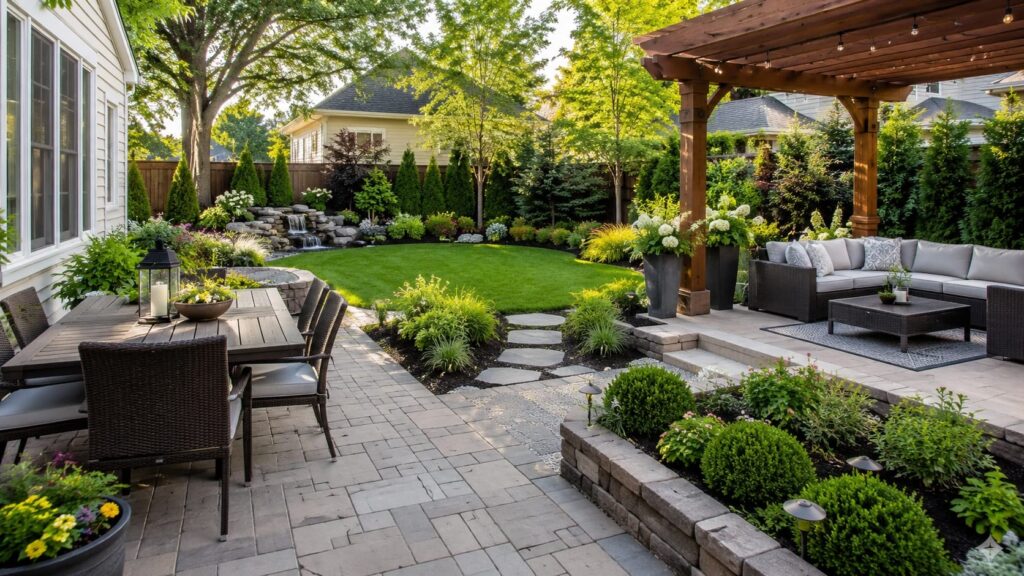
You do not need heavy construction to make a yard feel better. A few low-cost upgrades can change how clean, calm, and usable it feels the same weekend you do them.
Start with the edges. Trim back overgrown plants, pull weeds along fences, and clear dead leaves from corners and beds. When the border of the yard looks cared for, the whole space reads as intentional. Clean edges make small yards feel bigger.
Next, look at the ground where people actually stand. A hose washed patio, a swept gravel strip, or a few stepping stones can make movement feel easier. If the surface is muddy or lumpy, fix that before buying decor. Comfort starts under your feet.
Lighting helps more than most homeowners expect. A few solar path lights, string lights under a covered area, or simple wall lights near the door can make the yard feel usable after dinner. You are not trying to light a stadium. You are trying to make the space feel safe and calm.
Shade matters just as much. A market umbrella, a shade sail, or even a well-placed potted tree can turn a hot corner into a place you will actually sit. In many yards, that is a better use of money than a bigger table. If you are still sorting priorities, planning an outdoor living space can help you decide what comes first.
A yard usually feels better when you remove friction before you add features.
For seating, make it easier to use. Add cushions that can handle weather, a small side table, or a bench with a flat landing spot nearby. People sit longer when they have somewhere to set a drink, a book, or a phone.
If you want one simple order of work, use this:
- Clean the edges and remove clutter.
- Fix the surface where you walk or sit.
- Add one source of shade.
- Make seating easier to use.
These are modest changes, but they add up fast. They also fit real budgets, real weekends, and real yards with HOA rules, awkward lots, or no appetite for a full rebuild.
Match the plan to your lot
A good backyard fix has to fit the lot you already have. A 10 by 12 foot side yard needs a different plan than a wide suburban lawn, and a shady yard in Atlanta will not behave like a dry yard in Phoenix. Sun, drainage, and privacy shape what will actually get used.
Start with the hard limits. If water pools after rain, skip anything that needs a perfect base until you solve drainage. If the afternoon sun hits hard, shade comes before nicer furniture. If your HOA limits visible structures, that rules out some fences, sails, and sheds before you spend a dollar. Cheap ideas get expensive when they do not fit the lot.
Climate matters too. In colder USDA zones, you want materials that handle freeze and thaw. In hotter regions, dark pavers and metal seating can get uncomfortable fast. If you are comparing options for a small or awkward yard, backyard design ideas for smaller homes can help you think in tighter footprints.
The right upgrade is the one that works in your weather, on your soil, and under your local rules, not the one that looks best on a screen.
If you want a simple way to choose, think in terms of use, not style. A patio helps when you need a flat place to sit. A screen or hedge helps when the yard feels exposed. Gravel or stepping stones help when the ground is muddy or uneven. For a broader layout approach, planning an outdoor living space gives you a better order for those decisions.
| Option | Typical cost | Best for |
|---|---|---|
| Gravel seating pad | $500 to $2,000 | Uneven yards, quick drainage, low-maintenance use |
| Paver patio | $2,500 to $8,000 | Flat, durable seating area with a cleaner look |
| Shade sail or umbrella | $150 to $1,500 | Hot, sunny yards where comfort is the main issue |
| Privacy screen or hedge | $300 to $3,000 | Close neighbors, exposed patios, HOA-sensitive lots |
A contractor’s field notes on what works
The easiest way to waste money outside is to buy a feature before you solve the basic use problem. A pretty bench does not help if the ground is soft, the path is muddy, or the space feels too exposed to relax in.
Before you spend on anything, walk the yard at the time you would actually use it. Morning shade, afternoon heat, and where you step in from the house tell you more than a mood board ever will. Real use beats good-looking ideas every time.
Skip the big purchases that depend on perfect conditions. A full patio, built-in seating, or a permanent structure can wait if you still need to figure out drainage, privacy, or how close the spot is to the back door. That distance matters more than most people expect.
Use this quick test before you commit:
- Can you carry a drink, plate, or hose to the spot without a hassle?
- Does the area stay dry enough after rain to use again the next day?
- Will you sit there in July, not just in April?
- Can you keep it clean without turning it into a weekend chore?
If the answer is no to two or more of those, hold off. A smaller upgrade that gets used is a better buy than a larger one that sits empty.
That is why simple projects often win. A flat surface, a little shade, and a clear path from the kitchen usually do more than decorative extras. If your yard is tight, backyard design ideas for smaller homes can help you stay realistic about scale.
I have seen plenty of nice-looking patios that never got used because nobody checked the sun, the walk from the door, or where people would actually sit for more than ten minutes.
From the field
The projects that get used every day usually solve three things first, shade, seating, and the walk from the kitchen door. Too many homeowners buy furniture before they check where the afternoon sun lands, and that is how a nice patio ends up empty from May through September. If the space is uncomfortable for half the day, the rest of the design does not matter much. Start with the part that makes people stay.
Keep the yard easy to live with
A backyard gets used more when it is simple to keep up. That starts with fewer high-maintenance plants and more things that can handle your climate without constant trimming, spraying, or replacement. In much of the US, that means choosing plants suited to your USDA hardiness zone and your sun exposure, not just what looked good at the garden center.
Keep the planting beds clean and deliberate. A few shrubs, clumping grasses, or native perennials are easier to manage than a crowded mix of flowers that need weekly attention. More variety is not always more relaxing.
Surfaces matter too. If you are tired of mud, weeds, or leaves getting tracked everywhere, use materials that make cleanup easier. A compacted gravel path, a simple paver landing, or a mulched bed with a clear edge can cut down on sweeping and muddy shoes. If the yard drains poorly, fix that before adding anything decorative.
Try to remove the spots that create chores:
- Low corners that hold water after rain.
- Overgrown beds that need constant cutting back.
- Loose edging that lets mulch spill into the lawn.
- Furniture sitting directly on bare soil or uneven grass.
Small changes help more than you think. A hose bib near the main use area, a storage bin for cushions, and a path that stays clear all season make the yard feel less like work. If you are planning the bigger picture, planning an outdoor living space can help you keep the layout practical from the start.
The easiest yard to enjoy is usually the one that asks the least from you on a busy week.
If your yard feels like a list of chores, simplify it. A comfortable backyard should give you a place to sit, not another project to manage.
What homeowners ask first
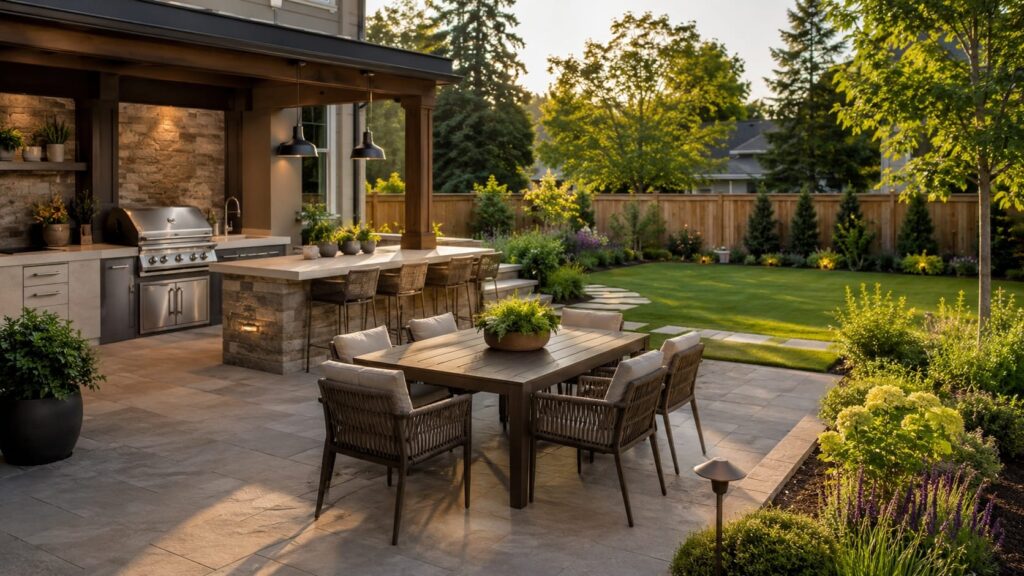
A cheap backyard upgrade usually starts with one usable zone, not a full makeover. For many homes, that means a level sitting area, a couple of chairs, and one source of shade. Fix comfort first, then add plants or decor later. If the space feels good to use, you will spend money in the right places.
The upgrades that add the most value are the ones people can use every week. A simple patio, a clear path from the back door, better lighting, and privacy where it matters all make the yard feel finished. Fancy features are optional. A yard that works in July and after dark usually feels more valuable than one with a big showpiece.
Low-maintenance choices are the safest bet if you do not want another weekend job. Think native or climate-fit plants, mulch instead of bare soil, and materials that do not need constant washing or sealing. A small planting bed with clean edges is easier to keep up than a crowded border that needs trimming every two weeks.
A backyard looks unfinished when the eye sees a lot of pieces, but the body still has nowhere comfortable to sit.
Some design mistakes make a yard feel tacky fast. Too many materials, mismatched furniture, fake focal points, and random decor all fight each other. So do tiny items spread everywhere with no clear layout. A better rule is simple: repeat a few materials, keep the palette calm, and leave open space where people actually move.
How to transform a backyard cheaply?
Start with cleanup, a defined sitting area, and one or two upgrades that solve real problems. Paint tired furniture, add mulch, edge the beds, and use potted plants where you need color without a long-term commitment. A small gravel or paver pad can cost far less than a full patio and still make the yard usable.
What adds the most value to a backyard?
Usable space adds the most value. A level patio or landing, shade, privacy, and lighting usually matter more than decorative features. Buyers and homeowners both respond to yards that feel easy to sit in, easy to reach from the house, and easy to maintain through the season.
How to make your backyard maintenance free?
You cannot make it truly maintenance free, but you can make it low effort. Choose tough plants, reduce lawn area, use mulch or ground cover, and keep the layout simple. Add drip irrigation if watering is a problem. The goal is fewer chores, not zero chores, because zero is not realistic outdoors.
What design mistakes make a backyard look tacky?
Overcrowding, mixed styles, and too many small decor pieces are the biggest problems. Cheap-looking plastic furniture, fake plants, and random color choices can also make the yard feel unfinished. Keep the plan consistent, repeat materials, and leave room to breathe. A clean layout almost always looks better than a busy one.