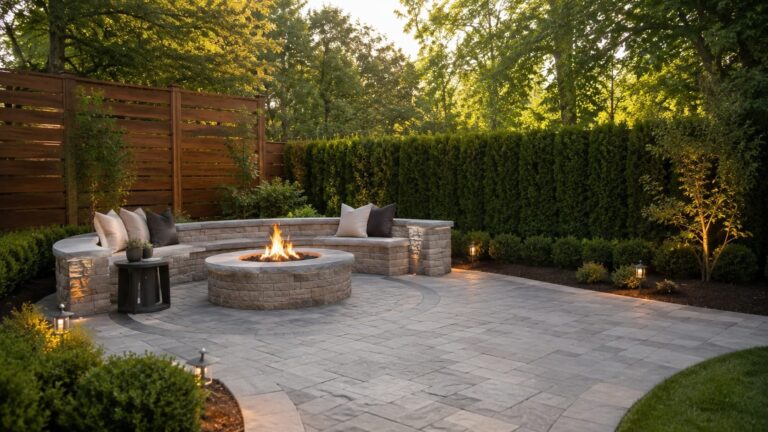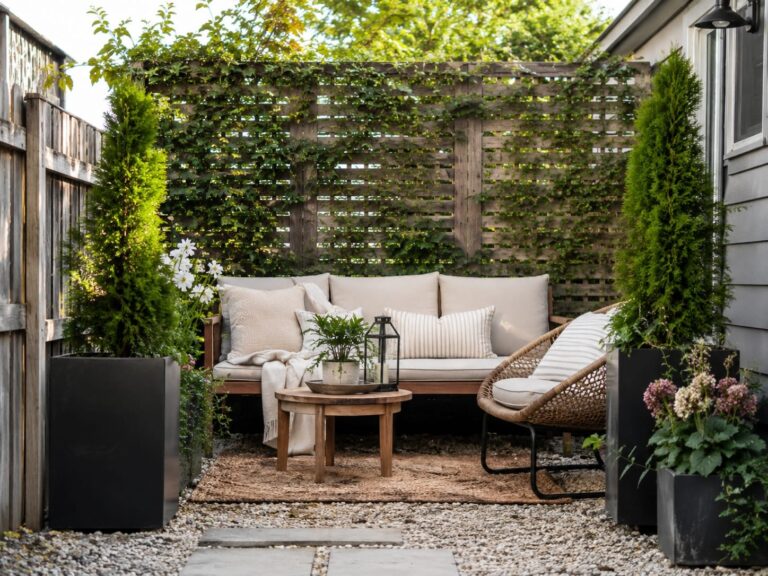
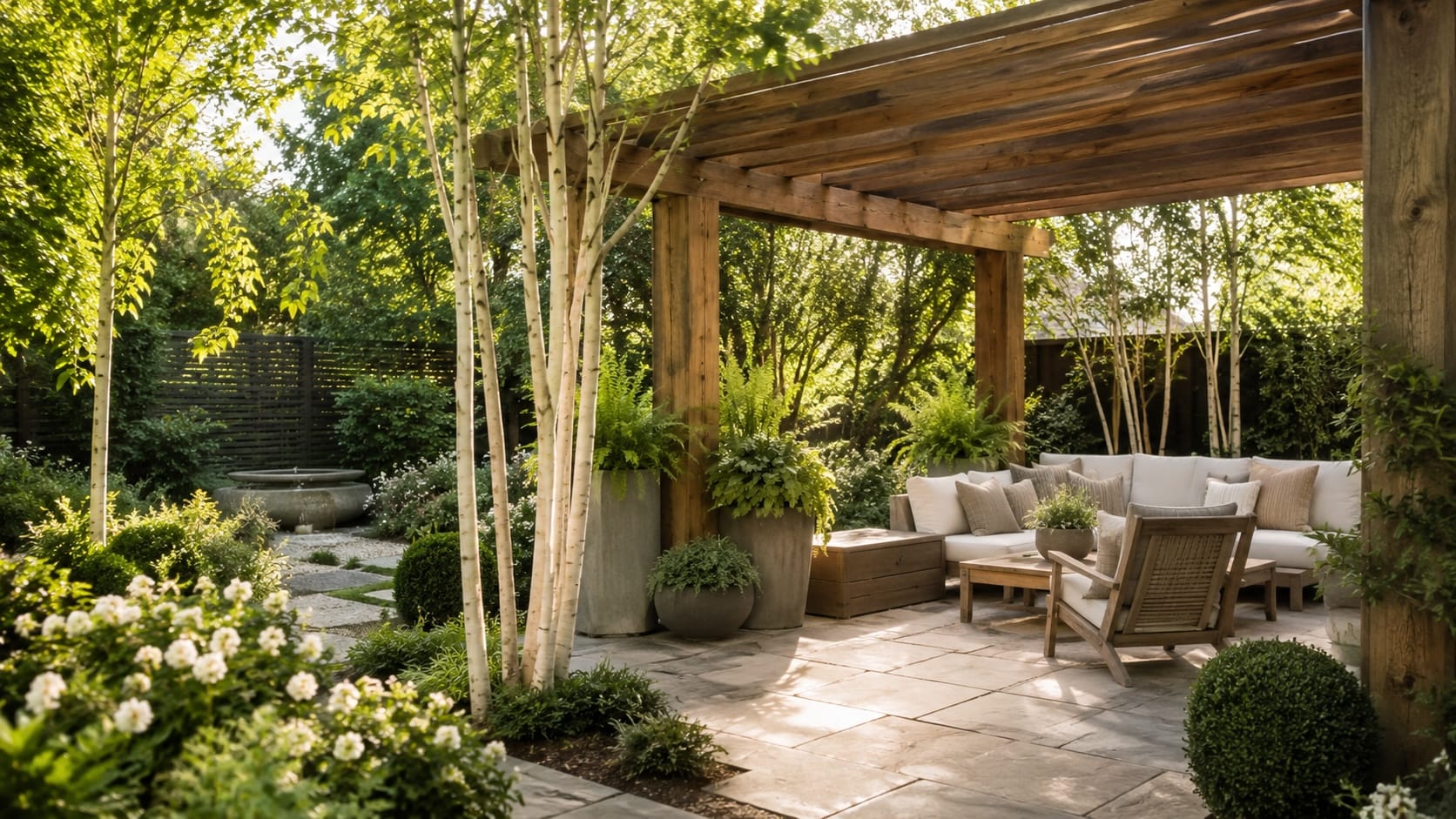
Your backyard feels exposed, so you keep skipping it, and that usually has less to do with the size of the yard than with where the privacy fails. A fence alone can fix that, but it can also make a yard feel boxed in, expensive, or out of place if you do not match it to the lot.
The better fix is usually a mix of height, texture, and placement. A screen that blocks a neighbor’s sightline, a row of shrubs that softens the edge, or a trellis that gives shade can make the space feel private without looking heavy. That is the part Pinterest skips.
The goal is not to hide your yard from the world. The goal is to make it feel comfortable enough that you actually want to sit out there.
That starts with what your lot already gives you, sun, slope, HOA rules, and the spots where people can see in from the street or the next yard.
Start with the view you want blocked
Before you buy a screen, hedge, or fence panel, stand in the yard and mark the exact spot where you feel exposed. It may be the kitchen window, the neighbor’s second-story deck, or the corner of your patio where people can see your whole seating area.
This sounds basic, but it saves money. A 6-foot privacy fence is useless if the sightline comes from above. A row of shrubs helps if the view is horizontal, but it will not fix a view from an upstairs room. Match the fix to the angle, not just the edge of the property.
If you are trying to make one part of the yard usable, define that zone first. Maybe it is a 10 by 12 foot dining spot, a small fire pit area, or a chair tucked beside a garage wall. Then ask what needs to disappear from that exact seat. That is the real privacy problem.
Privacy works best when it blocks one bad view cleanly, instead of trying to hide the whole yard.
Walk the perimeter at different times of day. Morning, late afternoon, and after dark can all feel different. A hedge that looks fine at noon may do nothing once porch lights come on. Night privacy is its own issue.
Once you know the view, the use case, and the gap, you can choose a fix that fits your lot and your budget. If you want a practical layout next, see planning an outdoor living space. If your yard is tight, backyard design ideas for smaller homes can help you avoid overbuilding.
Key takeaways
- Stand where you sit and identify the one view that makes the space feel exposed.
- Check sightlines from windows, decks, and upstairs rooms before choosing a privacy fix.
- Design privacy around the exact seating area, so you spend money where it matters.
Natural privacy options that feel lived-in
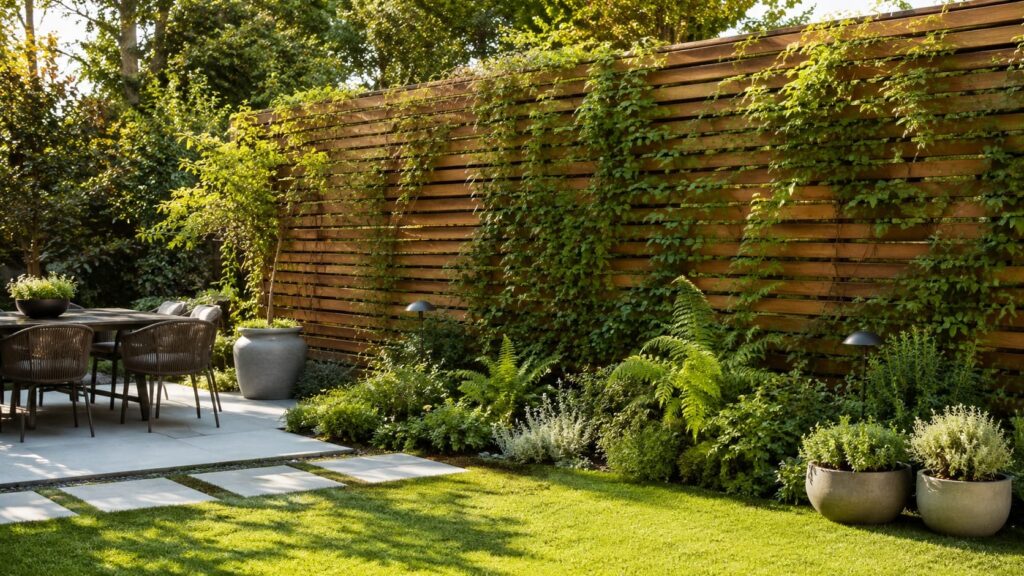
Plant-based privacy works best when you want the yard to feel softer, not sealed off. It can make a patio feel calmer and less exposed, especially along a fence line or side yard. It takes patience, though. Shrubs and trees need time to fill in, and some areas will stay open for a season or two.
Structure-based privacy is faster. Screens, lattice panels, slatted fences, and pergolas can block a bad sightline right away. They also give you more control in tight spaces, especially if your yard is small or you need privacy from an upstairs window. If you are trying to make one seating area usable this summer, structure usually wins. If you want the edge of the yard to blend into the landscape, plants do that better.
The cleanest yards usually use both. A short screen can hide the seating area, while shrubs or ornamental grasses soften the rest. That keeps the space from looking like a wall went up overnight. That matters more than people think.
If you want privacy that still feels natural, use structure for the problem spot and plants for the edges.
Before you plant anything, check sun, drainage, and your USDA hardiness zone. A hedge that works in one region may struggle in another, and a wet corner can kill expensive plants fast. For a lot of homeowners, the best first step is a simple layout from planning an outdoor living space, then adding privacy where the seats actually go.
- Plants: softer look, slower results, lower visual weight.
- Screens and fences: faster coverage, more predictable, better for tight sightlines.
- Mixed approach: best balance for most yards, especially if you want comfort without a boxed-in feel.
If your yard is small, keep the mass light and the heights intentional. A few well-placed panels can do more than lining the whole perimeter. For tighter lots, backyard design ideas for smaller homes can help you avoid overbuilding.
| Option | Typical cost | Best for |
|---|---|---|
| Fast screen panel or lattice section | $300 to $1,500 | Blocking one clear sightline near a patio or hot tub |
| Shrubs or layered planting bed | $500 to $3,500 | Softening edges and creating a more natural look |
| Fence replacement or new privacy fence | $3,000 to $10,000+ | Full perimeter privacy and the most direct visual block |
| Pergola with side slats or climbing plants | $2,000 to $8,000 | Creating a private seating zone with shade and structure |
Use plants to soften fences and edges
Plants are the easiest way to make privacy feel natural. A solid fence can do the job, but it can also make a yard feel hard and boxed in. A row of shrubs, grasses, or small trees breaks that line and makes the space feel more settled.
The trick is to layer your planting. Use taller evergreens or screening shrubs toward the back, then mix in mid-height plants and lower groundcover in front. That staggered look hides more than one flat row and feels better from the patio. It also gives you cover without turning the yard into a green wall.
For small spaces, think in sections. You do not need to line the whole fence. A 6 to 10 foot planting bed near the seating area can block the view that matters most, especially if you pair it with a short screen or trellis. That is usually enough. A few well-placed plants often work harder than a full perimeter project.
The best privacy planting does not scream for attention, it just makes the yard feel less exposed when you sit down.
Choose plants that fit your USDA hardiness zone and the light you actually have. A shady side yard, a hot south-facing fence, and a damp corner all need different plants. If you are unsure where to start, use the same thinking as planning an outdoor living space, then place the planting where people sit, not just where the fence feels bare.
- Evergreen shrubs: steady privacy through the year.
- Ornamental grasses: softer edges and movement without heavy bulk.
- Small trees or large shrubs: better for blocking second-story views.
- Trellis with vines: useful in tight spots where you need height fast.
If your yard is tight, keep the planting bed narrow and intentional. A little breathing room between the fence and the plants helps the whole space look cleaner. For more layout ideas that do not overfill the yard, backyard design ideas for smaller homes can help you stay realistic.
Add structure without making it feel closed in
Privacy screens work best when they block the right angle, not the whole yard. A solid wall can make a patio feel smaller than it is. A slatted panel, lattice, or partial enclosure gives you cover where you need it and still lets light move through.
That matters on lots where you want one comfortable seating area, not a sealed-off box. A 4 foot by 8 foot lattice section near a chair group can hide a neighbor’s window or a side path without taking over the space. If your yard is small, that kind of targeted fix often works better than building full-height barriers everywhere, especially when you are trying to keep the yard open. For more layout help, backyard design ideas for smaller homes can keep the scale honest.
Pergolas do a different job. They create a sense of room and give you a place to add curtains, vines, or side slats later. That makes them useful when you want privacy that still feels airy. They are structure first, enclosure second.
- Lattice panels: good for filtering views and supporting climbing plants.
- Horizontal slats: cleaner look, more modern, and less visually heavy.
- Pergolas with side screening: helpful for defining a private seating zone.
- Partial enclosures: best when you only need to block one or two sightlines.
A good privacy feature should make the yard feel calmer the second you sit down, not make you feel like you are inside a shed.
Before you build, check height limits, HOA rules, and whether your town requires a permit. A lot of screen projects are simple, but fence height, setbacks, and attachment rules can still trip people up. If you are matching the screen to the rest of the yard, the same principles used in planning an outdoor living space apply, keep the structure near the use area and let the rest of the yard stay open.
From the field
The yards people end up using every day usually solve three things first, shade, a place to sit, and the distance from the kitchen door. Too many homeowners buy the chair set before they check where the afternoon sun lands, and that is how a patio ends up empty by midsummer. If the spot is hot, exposed, or too far from the house, the nicest screen in the world will not get used much. Start where people will actually sit, then build the privacy around that.
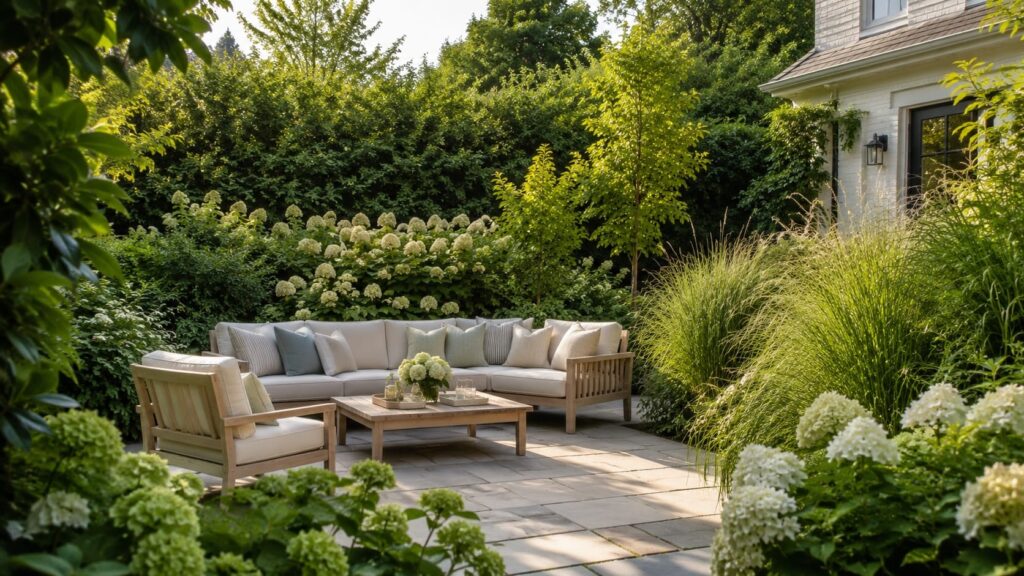
Choose the cheapest fix that will actually help
You do not need the biggest privacy project first. You need the fix that changes how the yard feels from the place you actually sit.
That might be a 6 foot planting bed, a short screen, or a single panel that blocks one bad sightline. A $300 to $800 fix can be more useful than a $5,000 build if it solves the real problem. Start with one use area, not the whole fence line.
Budget also changes with maintenance. Fast-growing plants can fill space quickly, but they need trimming. Wood screens look warm, but they need sealing and occasional repairs. If you do not want weekend chores, choose materials and plants that fit your time, not your Pinterest board. Low-maintenance is a real design choice.
The cheapest mistake is buying a privacy feature before you know which view needs to disappear.
Before you spend, check four things:
- Sun and wind: a screen that works in spring may not help in August heat.
- HOA rules: some neighborhoods limit fence height, materials, or placement.
- Permits: taller fences, pergolas, and attached structures may need approval.
- Drainage: a wet corner can ruin posts, plants, and footings.
If your lot has a narrow side yard or a tight patio, keep the fix small and targeted. That often gives you the best return for the money and keeps the yard from feeling boxed in. For layout help that stays realistic, planning an outdoor living space can help you line up the privacy with where you actually live.
Most people overspend by trying to solve every exposure at once. Solve the one that makes you avoid the space. Then build from there.
What works best for your yard
The best privacy fix is the one that solves a real sightline without taking over the yard. If the problem is one neighbor’s window, a single screen panel or a short run of planting may be enough. If the issue is a whole edge that feels exposed, a layered mix of shrubs and a low fence usually looks softer than a tall wall.
Low-cost privacy usually works best when you keep it local. A few containers, a trellis, or a row of evergreen shrubs can hide a seating area for far less than a full fence replacement. That is often where the money goes the farthest.
To make it look pretty, think in layers. Hard edges need something soft in front of them, and flat spaces look better when they have height changes. A bench, a planter, and one climbing plant can do more for the feel of a patio than a big decorative feature that sits unused.
A yard feels more private when the view is controlled from the seat, not when every border is sealed off.
If you want a stylish result on a budget, keep the materials simple and repeat them. Use the same wood tone, the same pot color, or the same plant type in a few places. That makes the yard feel intentional, even if the fix was modest.
For a neighbor’s view, block only the angle they can actually see. A 6 foot hedge is not always necessary. Sometimes a 4 foot to 6 foot screen placed a few feet inside the property line does the job and still leaves the yard open and breathable.
What is the cheapest way to add privacy to my backyard?
The cheapest way is usually a targeted fix, like a trellis, a short screen, or container plants placed where the view is worst. You do not need to cover the whole yard. Focus on the seat, patio, or window line that feels exposed, and you can often stay in the low hundreds instead of spending thousands.
What are some stylish outdoor privacy tricks?
Layering is the easiest stylish trick. Mix a simple fence or screen with shrubs, climbing vines, or tall planters so the edge feels softer. Horizontal slats, black metal frames, and natural wood also look cleaner than a plain solid barrier. The goal is to hide the view without making the yard feel heavy.
How to make your backyard look pretty?
Start with one finished seating area, then repeat a few materials and plant shapes around it. A clean edge, healthy greenery, and a clear path make a bigger difference than more decor. If the yard is small, keep the number of colors and textures limited so the space feels calm instead of crowded.
How to block neighbor’s view of the backyard?
Block the specific line of sight first, usually with a screen, tall planting, or a partial fence near the area where you sit. If the neighbor looks down from an upper window, you may need a taller solution or a pergola with side coverage. Check local height rules and HOA limits before you build anything permanent.