Your budget is limited, but the wrong exterior fix can still eat it fast. The real problem is not having enough projects. It is figuring out which one will make the house look better now, protect it from more damage, and keep you from spending twice later.
A peeling front door is ugly. A failing gutter can rot fascia and siding. A cracked walkway can wait. That is the hard trade-off: visible payoff versus maintenance debt. A smart order of work keeps you off the expensive path, especially if you are trying to avoid financing this year.
The cheapest project is not the one with the lowest bid, it is the one that stops the next repair.
When money is tight, you do not need a full makeover. You need the few fixes that change first impressions, match your climate, and keep the house sound through the next season.
Start with safety and water
If water is getting in, or a step feels loose, those problems come before paint, mulch, or new house numbers. Leaks and rot spread quietly. By the time you see a stain or soft wood, the damage may already be deeper than it looks.
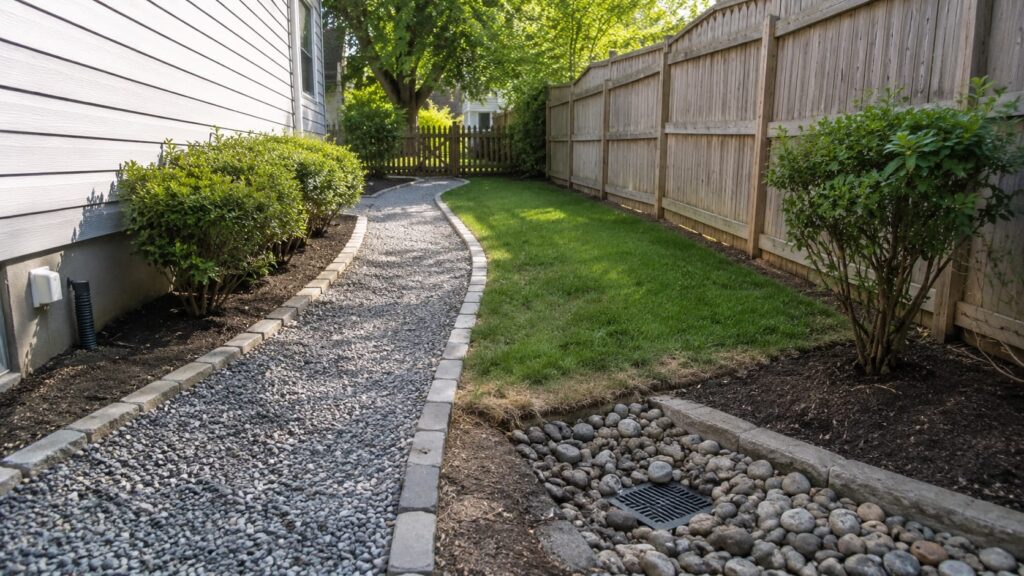
Check the places that fail first: roof edges, flashing around chimneys and windows, gutters, downspouts, porch steps, and any wood that stays damp after rain. A small gap in flashing can send water behind siding. A clogged downspout can dump water right at the foundation. That is how a cheap fix turns into a siding or framing bill.
Loose railings, cracked steps, and sinking pavers matter too. They are not just ugly. They can make the front entry unsafe, and in some towns they can trigger permit or code issues if you replace them later. If you are comparing projects, put those repairs ahead of anything cosmetic.
A house can look tired and still be fine. A house with bad water management is buying trouble every time it rains.
If you are unsure what to tackle first, start with the path water takes off the house. Then fix anything that moves, sags, or feels soft. After that, you can think about paint, landscaping, and other visible upgrades. For a bigger picture on sequence, see planning an exterior renovation.
That order protects your budget. It also keeps you from spending on surface work while the structure keeps getting worse underneath.
Key takeaways
- Fix roof leaks, flashing gaps, and gutter problems before any cosmetic exterior work.
- Repair loose steps, railings, and soft wood as soon as you find them.
- Make sure downspouts move water away from the foundation before spending on curb appeal.
Rank projects by visible impact
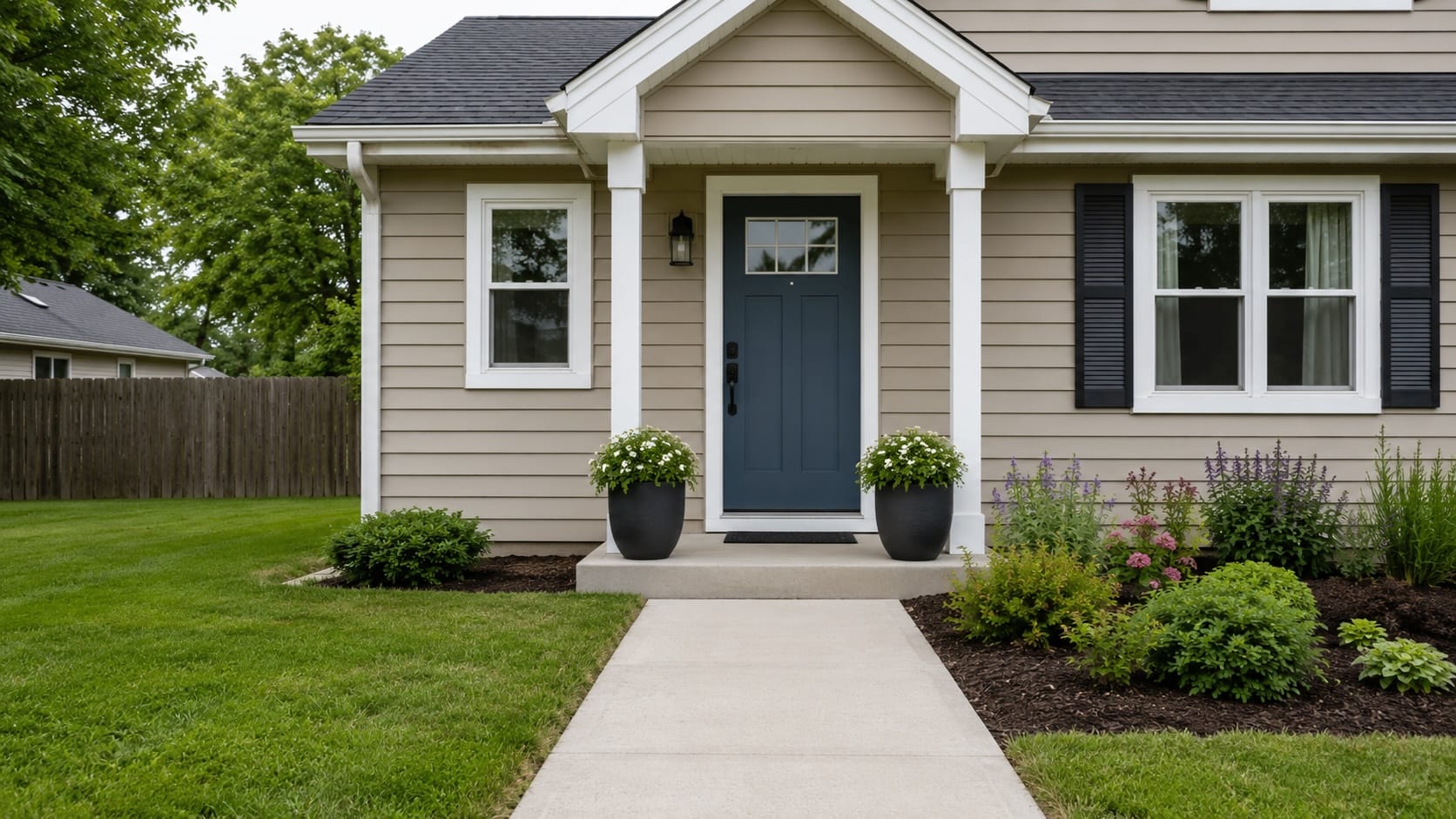
Once the house is dry and safe, ask a simpler question: what do people see first from the street? That is where limited money goes furthest. A front entry update usually changes the look more than a side-yard project, and fresh trim often reads better than a bigger repair hidden in back.
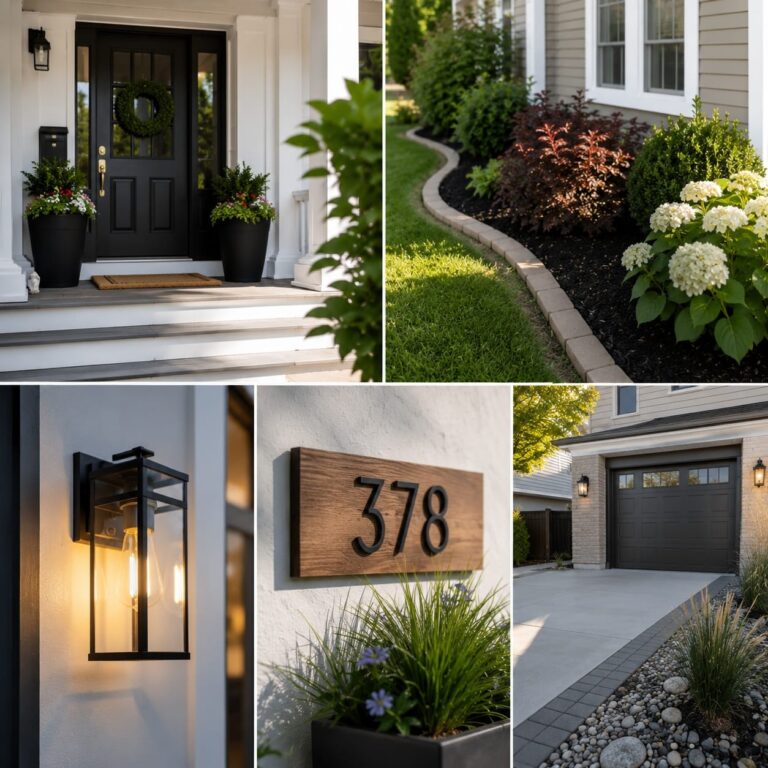
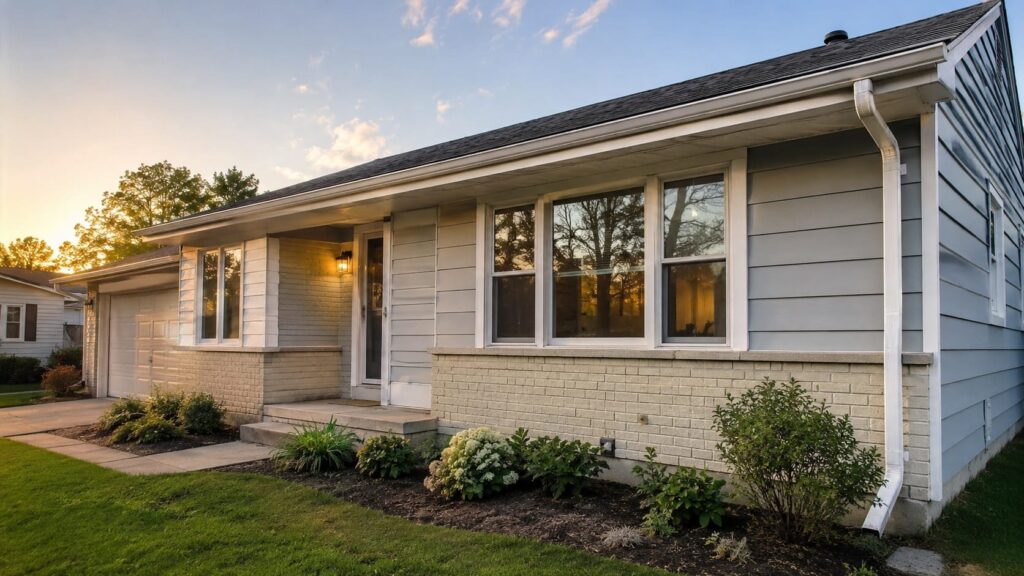
Start with the parts that dominate the view. The front door, porch lights, shutters, trim, and the stretch of siding around the entry carry a lot of visual weight. A tired door color or faded trim can make the whole house feel older than it is. Small changes at the entry often give the biggest curb appeal lift per dollar.
Next, look at anything that makes the home feel maintained. Overgrown shrubs, weeds at the foundation, stained concrete, and peeling fascia all signal neglect. People notice that fast. If you are comparing two projects, choose the one that removes the most visible wear from the front elevation.
A house does not need to look new to look cared for. It needs a clean front, clear edges, and no obvious signs of delay.
For resale, think about what a buyer sees in the first ten seconds. That usually means:
- Front door, hardware, and house numbers.
- Trim paint and siding in the main view.
- Walkway, porch, and entry lighting.
- Basic landscaping cleanup, not a full redesign.
If the budget is still tight after that, save low-visibility items for later. A side fence, backyard hardscape, or decorative feature may matter to you, but it rarely moves first impressions as much as the front of the house. For more ideas on what tends to pay off visually, see home exterior improvements.
Think in layers. First, fix what is worn in the main view. Then, improve what frames the entry. After that, spend on the details that make the whole place feel finished. That order keeps you from putting money into areas most buyers, neighbors, or appraisers barely notice.
Match repairs to your budget
A limited budget works best when you split it by risk, not by wish list. The first dollars go to urgent fixes, the next dollars go to maintenance debt, and only after that do you spend on low-cost upgrades that improve how the house looks from the street.
A simple way to think about it is this: protect the house first, then catch up on the jobs that have been sliding, then polish the parts people actually see. If you spend all your money on curb appeal while the trim is soft or the gutters are clogged, you are just decorating a problem.
A good budget does three jobs, it stops damage, catches up on neglected maintenance, and leaves a little room for visible wins.
For many homeowners, that split looks something like this:
- 50% to 60% for urgent repairs that protect the structure and keep water out.
- 25% to 35% for maintenance debt, like failing caulk, peeling paint, damaged trim, or worn gutters.
- 10% to 20% for low-cost upgrades, like house numbers, lighting, mulch, or a fresh front door color.
That ratio is not a rule, but it keeps you honest. If the urgent pile is empty, you can shift more into maintenance or curb appeal. If you find rot, bad flashing, or a drainage issue, the repair bucket grows fast. That is normal.
Try to avoid the trap of buying the prettiest fix first. A new light fixture looks better than a patched soffit, but the patched soffit matters more. If you need help sorting the work into a real sequence, the basics in planning an exterior renovation can keep the order straight.
For a homeowner on a tight budget, the goal is not to do everything. It is to make sure each dollar either prevents a bigger bill, clears visible neglect, or improves the front of the house enough to feel worth it.
| Option | Typical cost | Best for |
|---|---|---|
| Urgent repairs | $300 to $3,000+ | Leaks, loose steps, damaged flashing, drainage problems |
| Maintenance debt | $200 to $2,500 | Caulk, paint touch-ups, gutter cleaning, minor trim repair |
| Low-cost curb appeal upgrades | $100 to $1,500 | Front door updates, lighting, mulch, house numbers, cleanup |
| Bigger cosmetic projects | $1,500 to $8,000 | Exterior paint sections, porch refresh, larger front-entry improvements |
Use a simple order for common fixes
Start with the parts that keep water out. If the roof is near the end of its life, has missing shingles, or shows stains inside, that comes before almost everything else. The same goes for gutters that overflow, sag, or dump water near the foundation. Water problems win every tie-breaker.
After that, move to siding, trim, and paint. You do not need to repaint the whole house if only one side is peeling, but you do need to stop exposed wood and open seams before they turn into rot. If the siding is mostly sound, a targeted repair and touch-up can buy time. If the damage is widespread, the repair bucket gets bigger fast.
Windows and doors sit in the middle. Broken seals, rotted sills, and drafty frames are maintenance issues first, style issues second. A front door that closes cleanly and looks cared for usually gives more visible return than replacing a side window no one notices. Fix the entry before you chase fancy details.
Once the shell is stable, work outward:
- Walkways and steps, if they are cracked, uneven, or unsafe.
- Lighting, if the entry feels dark or the fixtures are dated and failing.
- Landscaping cleanup, like trimming, edging, and fresh mulch.
- Small paint and hardware updates, especially at the front door.
That order keeps the house functional while improving what people see first. A tidy walkway with working lights beats a pretty yard wrapped around a leaking roof. If you are mapping the work season by season, planning an exterior renovation can help you avoid doing cosmetic work before the structure is ready.
Do the boring repair first, then spend the last dollars where your eyes land on the way to the front door.
That sequence is practical in most US climates, and it matters even more if you live under HOA rules or need permits for exterior changes. Small, visible upgrades are great. They just work best after the house is dry, sound, and safe.
What to do before spending a dollar
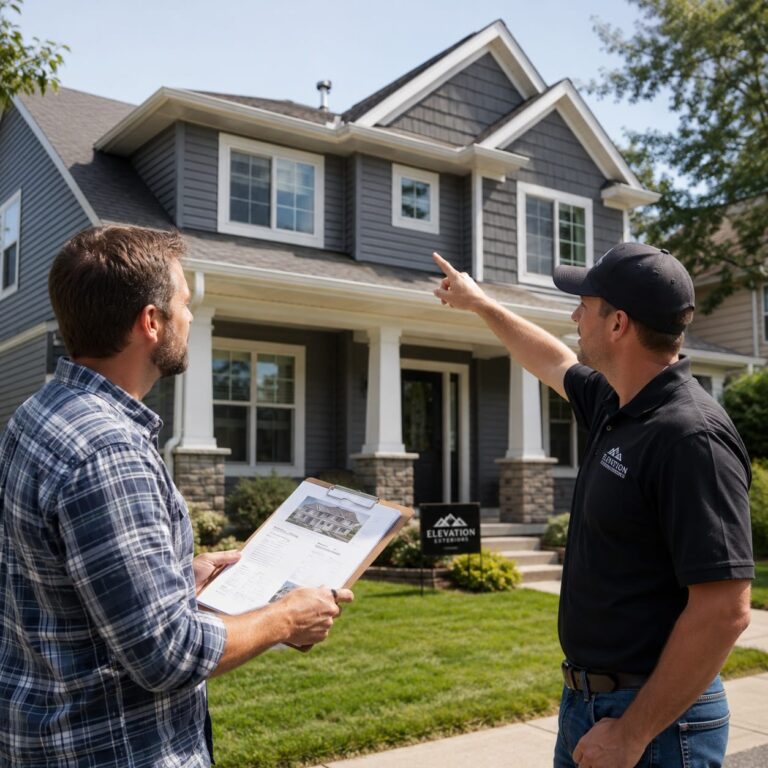
Walk the property before you price anything. Start at the curb, then move to the roofline, gutters, siding, trim, entry, and any spots where water can sit. Take photos in daylight and make a short list of what is broken, what is just tired, and what only looks bad from the street.
Separate safety, damage, and cosmetics as you inspect. A loose step, soft wood, or peeling paint around a window is a different job than faded mulch or dated house numbers. If you are not sure what you are looking at, that is a good time to bring in a contractor for a quick look before you commit money to the wrong fix.
- Check HOA rules before ordering anything visible, including paint color, fencing, lighting, and front-entry changes.
- Ask your city or county whether the work needs a permit, especially for decks, porches, roof work, electrical, or structural repairs.
- Get at least two quotes for any job over a few hundred dollars, and make sure each bid covers the same scope.
- Ask what is included, what is excluded, and what could change the price once work starts.
Compare bids line by line, not just by the total. A low price can leave out cleanup, materials, or hidden repair time. That is how a cheap job turns into a second invoice.
Do not rush a cosmetic project because it feels easier. If you are torn between two fixes, choose the one that protects the house or removes a visible problem first. Pretty is good, but expensive rework is not. For homeowners trying to stretch a small budget, improving curb appeal on a budget usually starts with restraint, not spending.
A clean estimate, a clear permit check, and a full walkaround save more money than almost any bargain material ever will.
From the field
The best exterior jobs are usually the ones nobody notices later because the problem stayed buried. If the drainage is wrong, the gutters are clogged, or the roof edge is failing, every new coat of paint is just covering the next repair. I have seen homeowners spend on fresh color, then come back a year or two later to fix the same wall after moisture got behind it. That is why the boring work earns the first dollar.
Answers to common budget questions
The short answer is this, spend first on fixes that stop damage or remove eyesores. After that, use the rest on the upgrades people see from the street. A tired house can look better fast with paint, trim touch-ups, cleaned walkways, and a front entry refresh. That still works best when the basics are sound.
Budget limits are real, so set one hard cap before you start. If a project will force financing, it usually belongs in the next round unless it is a repair tied to water, safety, or code. Pretty is optional. Dry and safe are not.
For most homeowners, the best value comes from a few focused moves instead of a full exterior makeover. Think of a cleaned-up front yard, repaired caulk, fresh mulch, a solid front door, and working lighting. Those changes are modest, but they are easy to notice.
A small budget goes farther when it fixes what people can see from the curb and what can hurt the house if ignored.
What is the 30% rule for renovations?
The 30% rule usually means keeping a renovation budget around 30% of your home’s value, but that is a ceiling, not a target. On exterior work, most homeowners should spend far less unless they are dealing with major repairs. If the job is mostly cosmetic, a smaller, staged budget is usually smarter.
How to modernize the exterior of a home on a budget?
Modernize the exterior with paint touch-ups, updated light fixtures, a clean front door, simple house numbers, and trimmed landscaping. Those changes cost much less than new siding or windows. Stick to one color family, remove clutter, and repair anything crooked, faded, or peeling. The goal is clean and current, not trendy.
What does Dave Ramsey say about home renovations?
Dave Ramsey generally advises paying cash for home projects and avoiding debt for upgrades that are not urgent. That approach fits exterior work well. If the roof leaks or the siding is failing, fix it. If the project is mainly for appearance, save up and do it when you can pay without borrowing.
How to increase home value by $50,000?
There is no reliable one-project path to add $50,000, especially on a limited budget. Bigger value gains usually come from a mix of repairs, curb appeal, and market fit. Start with the roof, siding, entry, and landscaping, then compare the house to nearby sales. Value comes from matching local expectations, not from spending the most.