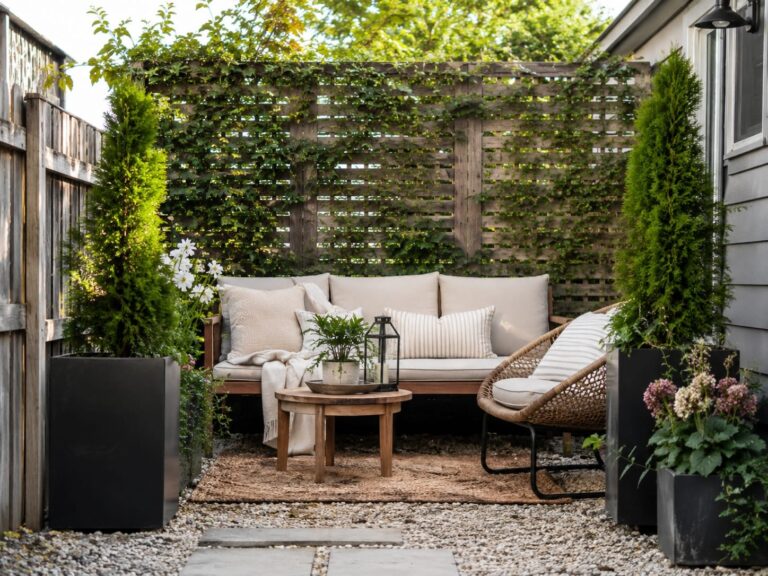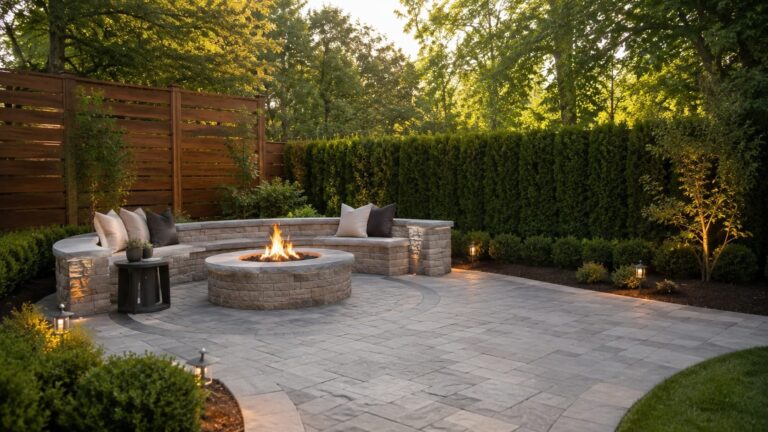
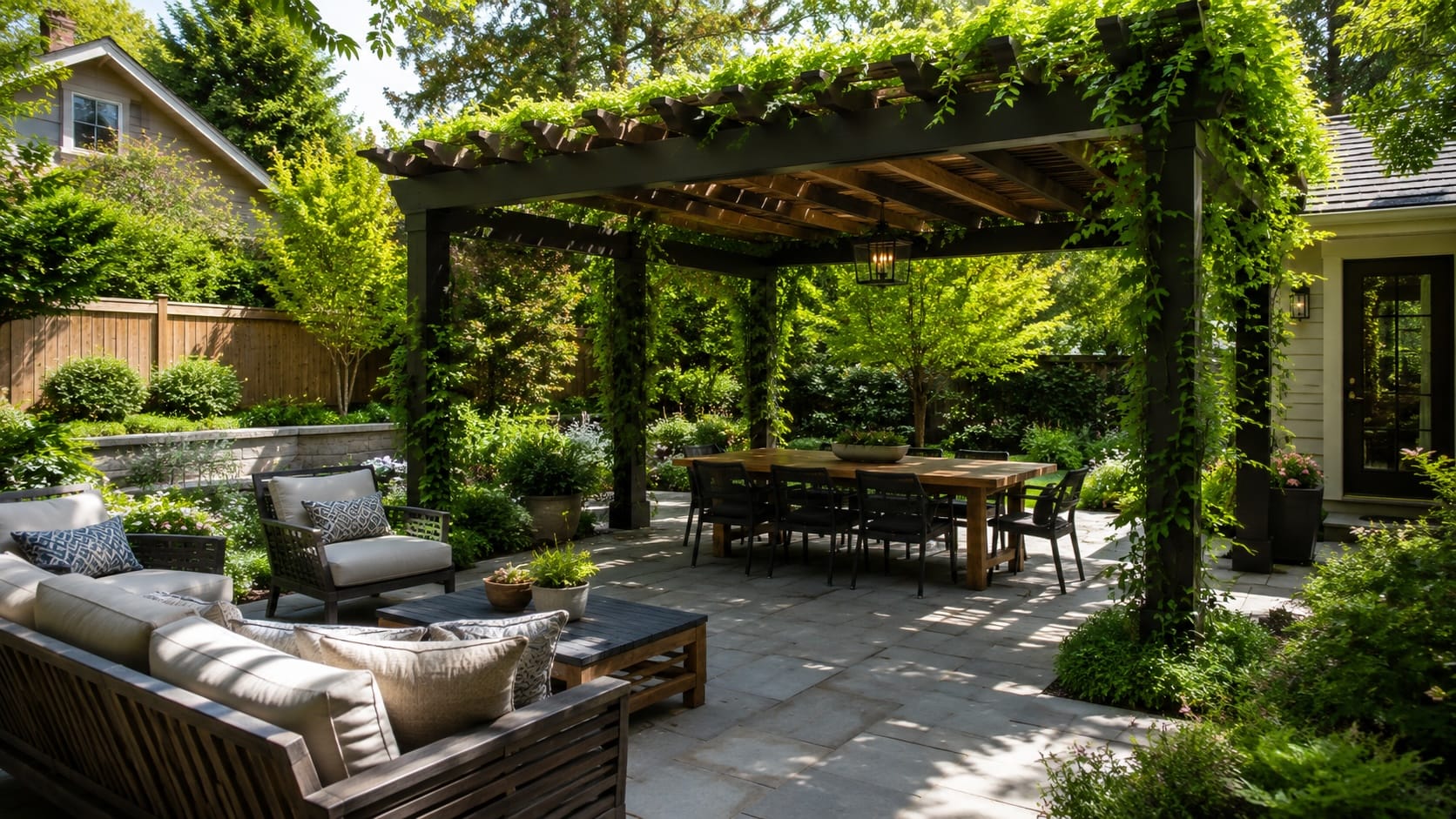
Your backyard probably is not the problem, the shade is. A sunny patio can look great on paper and still sit empty by 3 p.m. because the chairs are hot, the table is glaring, and nobody wants to stay out there long enough to relax.
The fix is usually simpler than a full makeover. You need one comfortable spot with the right kind of cover, in the right place, for the way your yard actually gets used. A pergola, tree, umbrella, or patio cover all solve different problems, and the wrong one can leave you with less comfort and more expense. That is how people end up with pretty projects they avoid.
The best shade structure is the one you will use on a hot Tuesday, not just the one that looks good in a photo.
If your yard feels unused, start with shade before you start with décor. Comfort comes first. The rest gets easier after that.
Start with the sun and the space
Before you pick a pergola or buy a big umbrella, map where the sun actually lands. A yard can look shaded in the morning and feel exposed by 4 p.m. That afternoon window is usually the one that matters.
Walk the space at the time you want to use it. Stand where the table would go. Sit where the chairs would be. If the heat is strong, the glare is bad, or the surface feels too hot to cross barefoot, that is where shade belongs.
Start with the zone you use most. For many homes, that is a patio off the kitchen, a small seating area near the grill, or a side yard that gets ignored because it bakes all day. One useful shaded area beats three half-finished spots.
If you cannot use the space for 20 minutes without moving your chair, the shade plan is not finished yet.
Then check the constraints that shape the project. Trees need room to grow and time to fill in. Umbrellas need a stable base and enough clearance. Pergolas and patio covers may run into HOA rules, local permits, roof tie-in issues, or drainage problems if the ground already holds water. That part is not glamorous, but it saves money.
If you are still sorting through options, it helps to think in this order: use, exposure, then structure. That is the same logic behind choosing between a pergola and a patio cover, and it keeps the project tied to how your yard works instead of how a photo looks.
Measure the real footprint before you spend a dollar. A 10 by 10 foot umbrella may cover a bistro set, but it will not help a 12 by 14 foot dining area. A tree may solve shade later, but it will not fix this summer.
Key takeaways
- Watch the yard at the hour you want to sit outside, not just in the morning.
- Shade the one area you use most before adding features across the whole yard.
- Check HOA rules, permits, drainage, and clearances before choosing a permanent structure.
Compare the main shade options
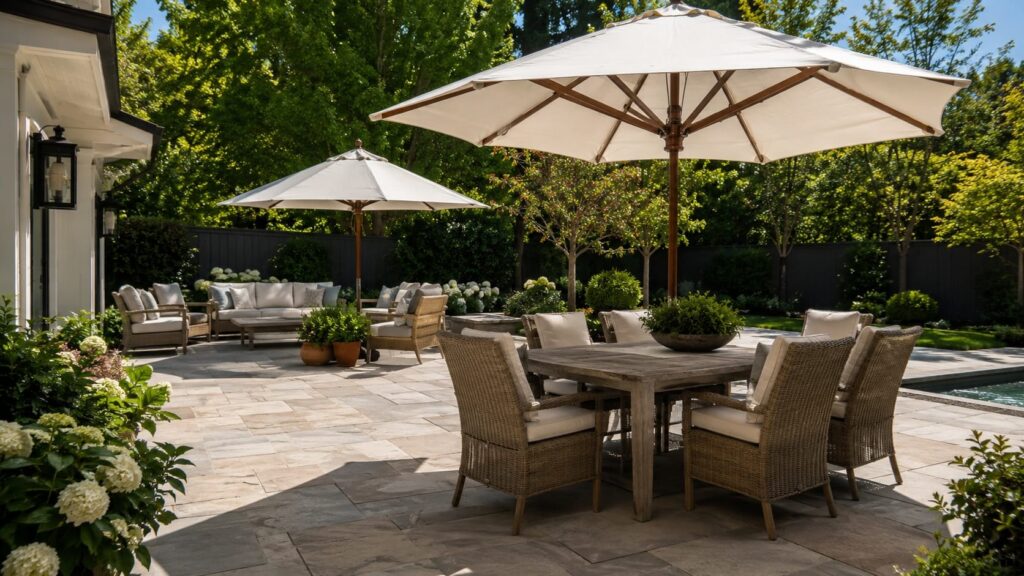
Each shade option solves a different problem. That is why the cheapest choice is not always the smartest one. A patio umbrella gives you quick relief. A pergola gives you a defined place to sit. A tree gives you natural cover, but it takes time. A patio cover gives you the most reliable shade, and usually the most commitment.
If your goal is to use the yard this season, start with the option that works now. If your goal is to build something permanent and you already know the layout, a larger structure may make more sense. The right answer depends on how long you plan to stay, and how much maintenance you will actually do.
Umbrellas are the fastest fix. They are usually the lowest cost, easy to move, and good for a small table or a pair of chairs. The trade-off is coverage. One umbrella rarely shades a whole seating area, and wind can be a real issue.
Pergolas sit in the middle. They define a space and can support slats, fabric, or climbing plants. They look finished without feeling heavy, but they do not block full sun on their own unless you add more cover. They fit patios that need structure more than total shade.
Patio covers give the strongest protection from sun and light rain. They are the most permanent option, and they usually need the most planning. That can mean permits, HOA approval, and roof tie-in details. They make the most sense where you want an outdoor room you can use often.
If the space is small and you are unsure, start with the least permanent option that still fixes the heat.
Trees are a long game. They can cool a yard beautifully, but they need the right USDA zone, enough root space, and patience. They are best when you want shade that feels natural and you can wait for it. For a fuller breakdown, choosing between a pergola and a patio cover can help narrow the structure side of the decision.
If you are comparing all the pieces at once, think about cost, upkeep, and how soon you want results. That keeps the choice grounded in your lot, not a Pinterest board. For broader layout ideas, planning an outdoor living space helps connect shade to the rest of the yard.
| Option | Typical cost | Best for |
|---|---|---|
| Patio umbrella | $100 to $800 | Small seating areas, quick shade, renters, low commitment |
| Pergola | $2,000 to $10,000+ | Defined patio space, partial shade, a more finished look |
| Tree | $50 to $500+ for a young tree, more for larger installs | Natural shade, long-term planning, yards with room to grow |
| Patio cover | $4,000 to $20,000+ | Frequent use, strong sun, light rain protection, permanent setup |
Choose the right fix for your lot
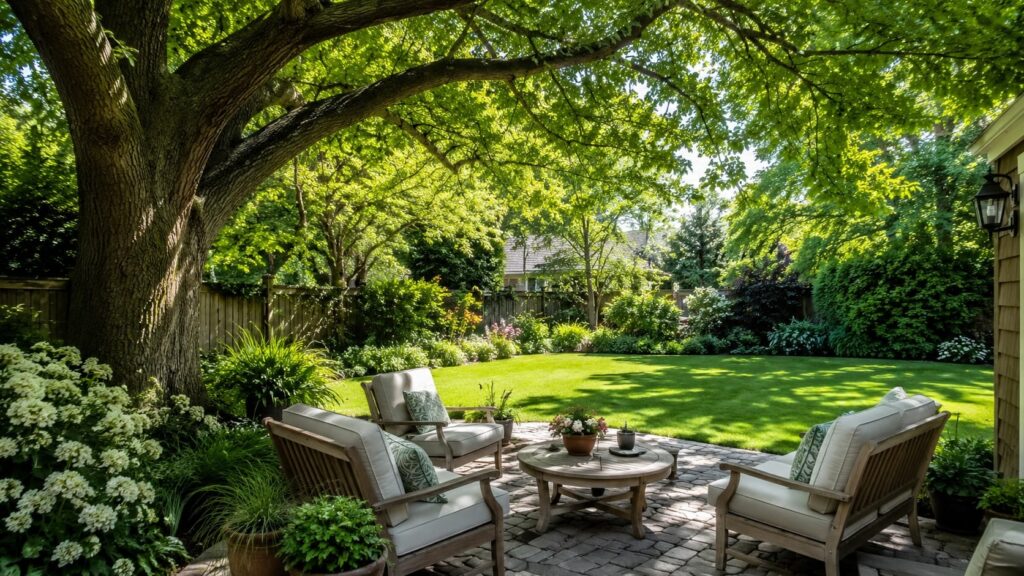
Your lot decides a lot more than the catalog does. A tree that works in a humid Southern yard may struggle in a dry, windy one. A pergola that feels light and open on a flat patio may feel awkward on a sloped deck. Climate, wind, and the surface below should shape the choice before style ever does.
If you live where summer sun is brutal, a patio cover or dense shade tree may make sense. In a milder zone, an umbrella or pergola can be enough. Wind matters too. A freestanding umbrella can be a headache on an exposed yard, while a taller structure may need stronger footings or extra bracing. Pretty is fine, but stable matters more.
HOA rules and permits can change the whole plan. Some neighborhoods limit roofed structures, colors, heights, or how close you can build to the property line. Many cities also care about posts, footings, and roof attachments. If you are not sure, check before you spend money on drawings or materials. That is usually cheaper than fixing a mistake later.
The surface under the shade should guide the fix too. A patio is the easiest place for a pergola or cover because the footprint is already defined. A deck may need special attachment details and load checks. An open lawn gives you more freedom, but you may need to build the base first if you want chairs that do not wobble.
The best shade choice is the one that fits your climate, your rules, and the way your yard is actually built, not the one that looks best in a clean photo.
If you are still sorting through the structure side, choosing between a pergola and a patio cover can help narrow the options. For a bigger picture of how the space should work, planning an outdoor living space keeps the shade tied to seating and traffic flow.
From the field
The projects that get used every day are the ones that solve shade, seating, and distance from the kitchen door. I see homeowners buy the furniture first, then realize the afternoon sun lands right on the chair backs or the dining table. By then, they are trying to force a layout that never had a fair chance. If the hot zone is not comfortable to reach and sit in, the yard stays empty from late spring through summer.
Make a pergola work better
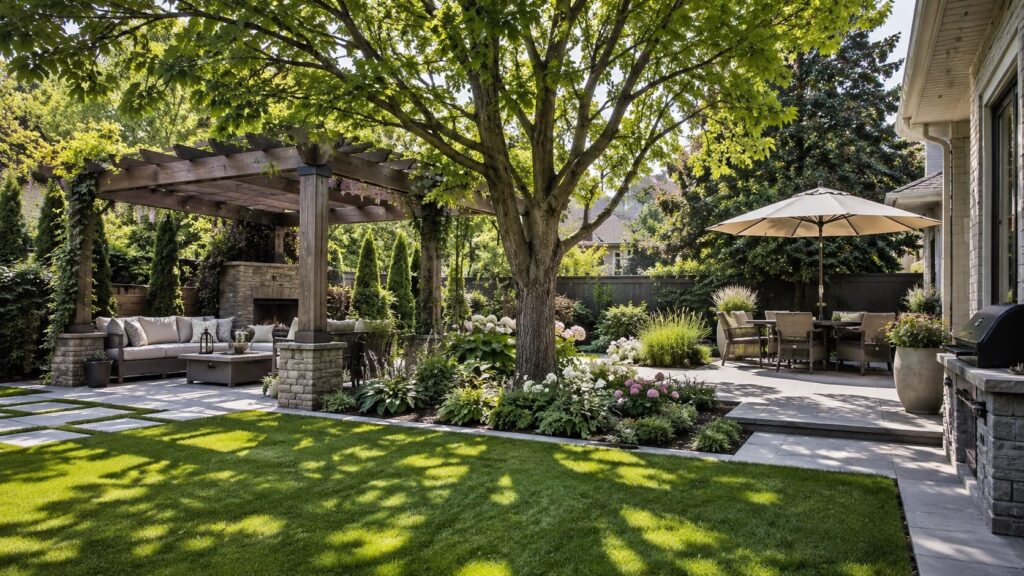
A plain pergola gives you some structure, but it does not always give you enough shade. That is where the details matter. You can add cover with fabric panels, spaced slats, climbing vines, retractable canopies, or a partial roof section over part of the frame.
Fabric shade panels are the quickest fix. They cut glare, soften the heat, and cost far less than rebuilding the frame. The trade-off is upkeep. Fabric fades, sags, and can flap in wind if it is not secured well. In wet climates, it also needs to dry out or it will get dirty fast.
Slats work better if you want a cleaner look and some airflow. Tight spacing gives more shade, while wider spacing keeps the space brighter. That balance is the whole point. Too much coverage can make a pergola feel heavy and closed in.
Vines add shade slowly, but they can be a smart long-term move if you have the patience and the right plant for your USDA zone. They need pruning, watering at first, and a frame strong enough to handle weight as they mature. If you want instant relief, vines are not the answer. If you want a softer look over time, they can be worth it.
Retractable canopies give you the most control. Open them on cool days, close them when the sun gets harsh. They are useful for a planning an outdoor living space approach where the same area handles lunch, reading, and evening use. Just know they usually cost more than basic fabric and need hardware that holds up in wind.
If you want a pergola to feel comfortable in July, shade the sitting zone first, not the whole frame.
A partial roof panel over the hottest side can be a good middle ground. It gives real protection without turning the whole structure into a full patio cover. That is often the right move for a patio that gets brutal afternoon sun but still needs some open sky.
If you are still deciding how much structure you really need, choosing between a pergola and a patio cover can help you avoid overbuilding.
Use trees and umbrellas where they fit
Shade trees are the long game. They cost more up front than an umbrella, but once they are established, they can cool a yard in a way that feels natural and steady. They also soften the view from the house, which helps a bare backyard feel less harsh.
The catch is time. A young tree will not fix a hot patio this summer. It may take several seasons before it throws useful shade, and in some yards it will never cover the exact spot you want. That is why placement matters. Put the tree where it can shade the sitting area later, not just where it looks nice in a nursery pot.
Pick the tree for your climate and your lot. Check the mature spread, root behavior, and whether it fits your USDA zone. Keep it far enough from the house, fence, and hardscape so roots and branches do not create a future headache. A cheap tree in the wrong spot is still a bad buy.
For a faster, lower-cost fix, a patio umbrella can do a lot. It is one of the easiest ways to test how much shade you really need before you commit to a bigger structure. A good umbrella works best over a small table, a pair of chairs, or one corner of a 10 by 12 foot patio.
Stability is the part people skip. On a windy lot, use a heavy base and close the umbrella when you are not using it. Center pole umbrellas are simpler, but offset models can shade more seating if the base is sized right. If the patio gets afternoon gusts, do not assume a light stand will hold.
If you are not sure what your yard needs, start with a movable umbrella and a long-term tree plan. That gives you shade now and a better yard later.
For homeowners still mapping out the bigger layout, planning an outdoor living space helps you place shade where people actually sit. If you want to compare shade structures before you spend, choosing between a pergola and a patio cover can keep the decision grounded.
Answer the shade questions homeowners ask
A pergola can add shade, but usually not enough on its own. Open rafters cut some glare and make the space feel less exposed, yet they still let a lot of sun through. If you want real comfort, plan on adding some kind of cover, even if it is just a partial one.
The cheapest way to add shade is usually a patio umbrella, a fabric panel, or a shade sail if your layout allows it. Those options cost far less than rebuilding a structure. The trade-off is durability. Cheap shade fixes work well for testing a spot, but they need more attention in wind, rain, and strong sun.
The best shade plan is the one you will actually use on a hot afternoon, not the one that looks best in a photo.
How do you add shade to an existing pergola?
You can add shade to an existing pergola with fabric panels, slatted inserts, a retractable canopy, or climbing plants. Start by checking the frame strength and the sun angle on the sitting area. If the pergola is already solid, a partial cover over the hottest side often gives the best payoff without closing the whole thing in.
How to create shade cheaply?
The lowest-cost shade usually comes from a large umbrella, shade cloth, or a simple outdoor curtain setup. These are good for a small patio or one seating corner. If you are not ready for a bigger project, use a movable option first and see where people naturally sit before spending more.
How to attach shade cloth to a pergola?
Attach shade cloth with outdoor-rated clips, ties, or grommets tied to the frame at regular intervals. Keep the fabric tight enough to avoid sagging, but leave some give for wind. Do not block drainage or trap water on top. If the pergola gets strong gusts, use hardware that is made for outdoor exposure.
Does a pergola add shade?
Yes, a pergola adds partial shade, but the amount depends on the spacing of the rafters and the direction of the sun. A plain pergola softens the light and gives the yard structure. For afternoon use, though, most homeowners need extra cover to make the space comfortable for more than a short visit.